

Marie and I really enjoyed the first half of our Madagascar trip, but – in terms of wildlife, at least – the best was yet to come.
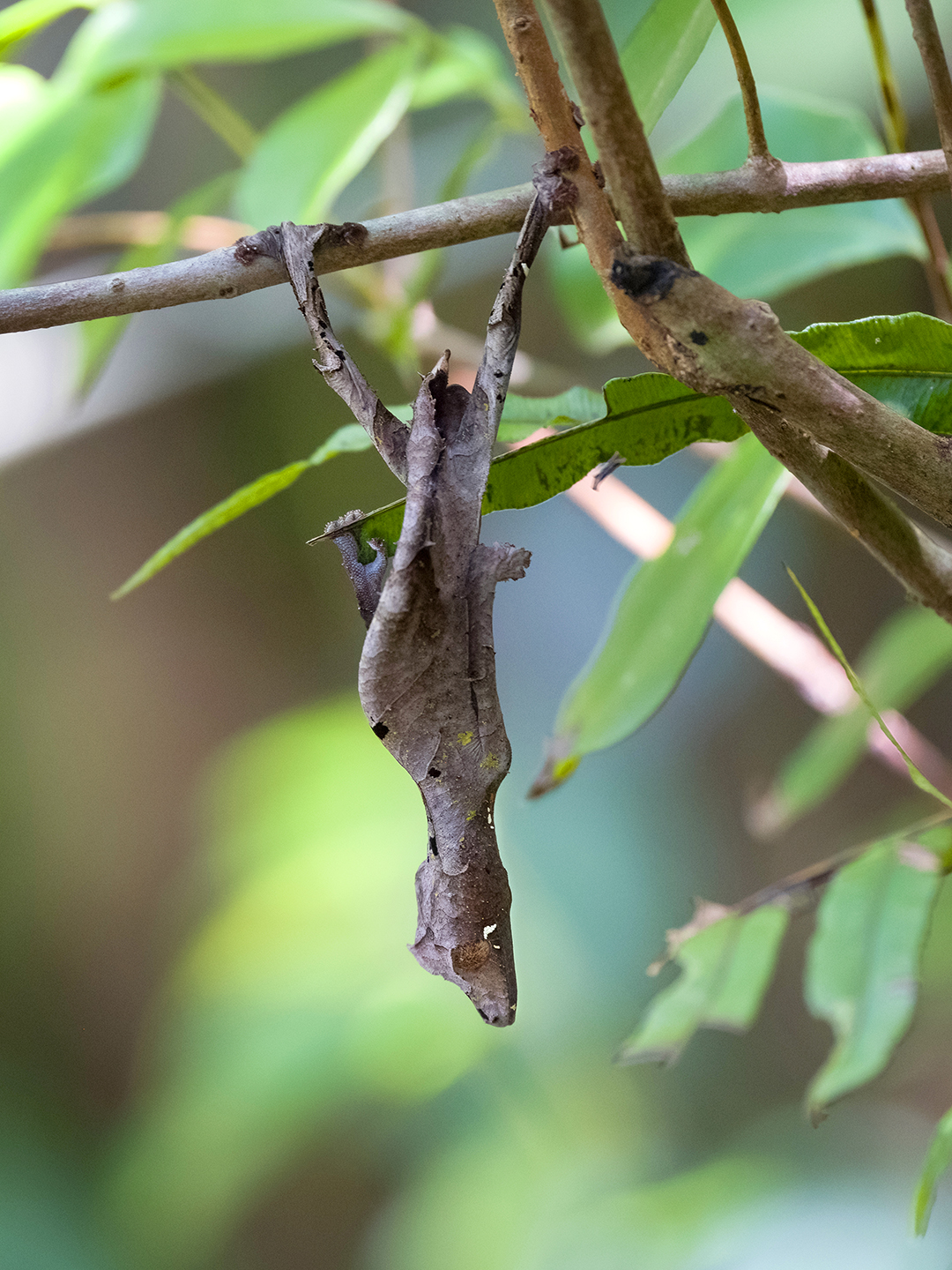
Our next stop was Ranomafana National Park, an oasis of biodiversity in the quickly-vanishing rainforests of the southeastern highlands. Soon after we started hiking in Ranomafana our guide pointed out one of the coolest (and most dramatically named) non-lemur creatures of the entire trip – a satanic leaf-tailed gecko, which perfectly mimicked a dead leaf hanging from a branch.
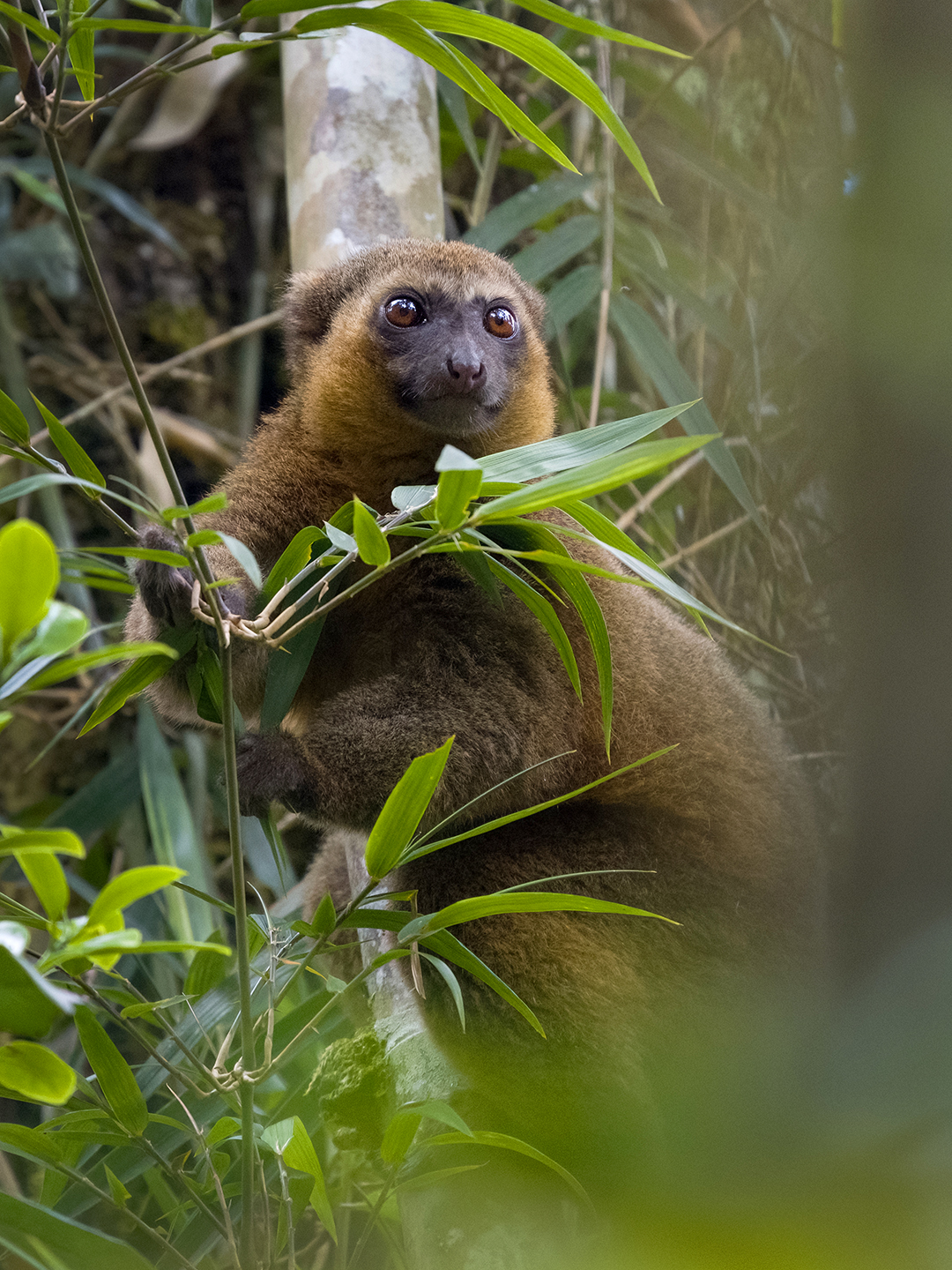
In the late 1980s, a primatologist named Dr. Patricia Wright helped justify Ranomafana’s creation by discovering that the area was home to the greater bamboo lemur (which until then was thought to be extinct) as well as the golden bamboo lemur (a previously unknown species). The park was established in 1991, and Dr. Wright has remained involved ever since, both as a researcher as well as a leader of the effort to protect Ranomafana’s future by ensuring that it benefits the surrounding communities.
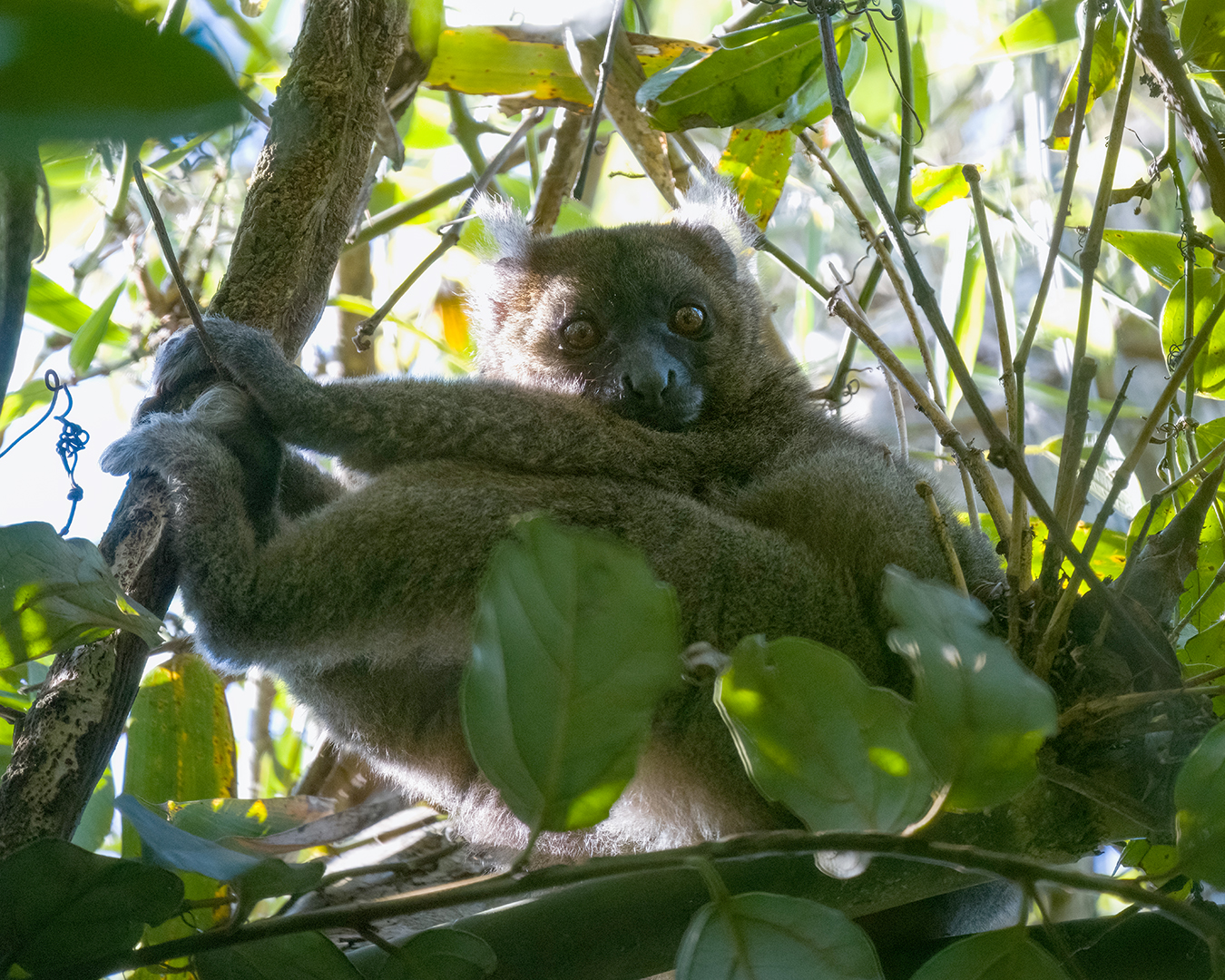
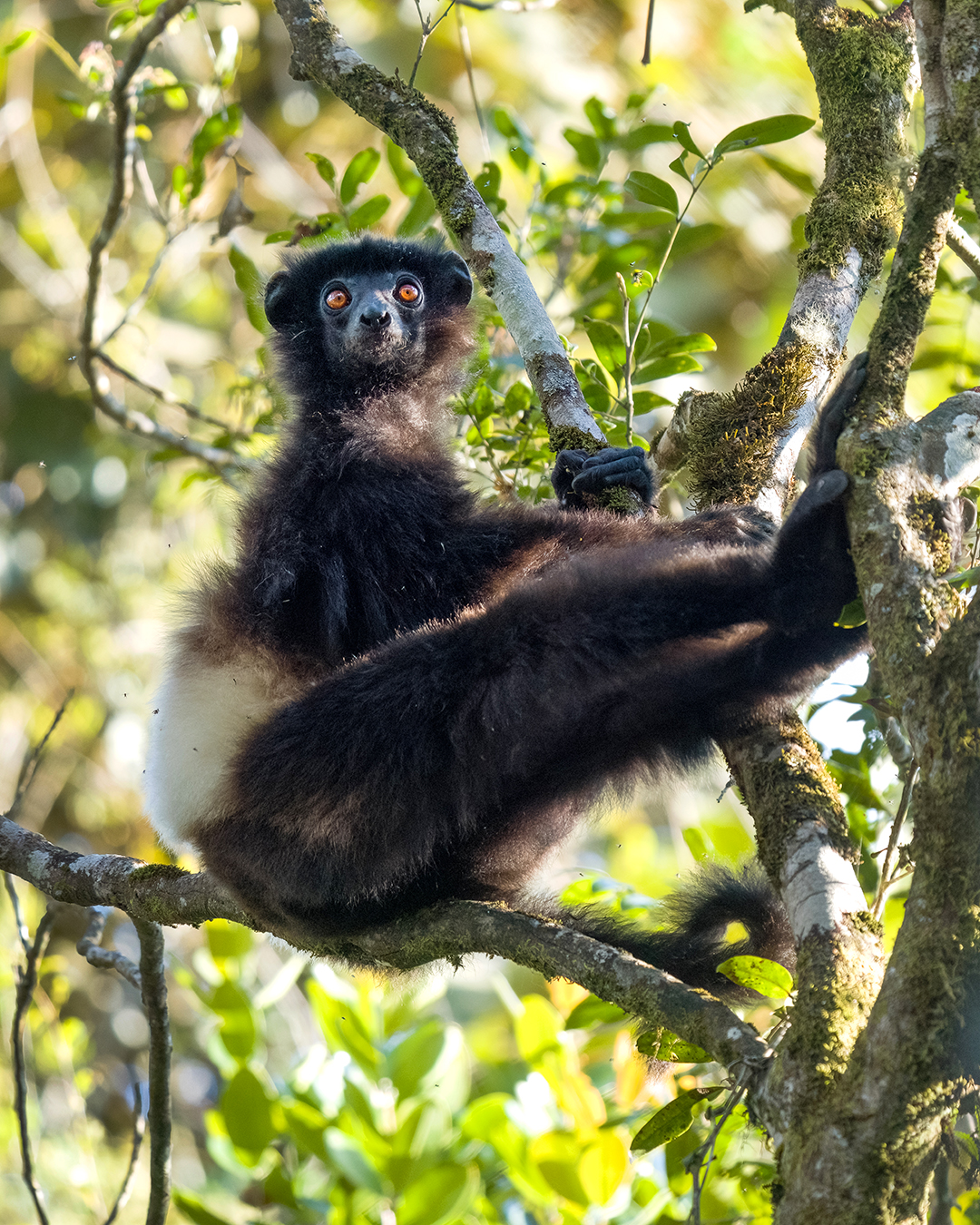
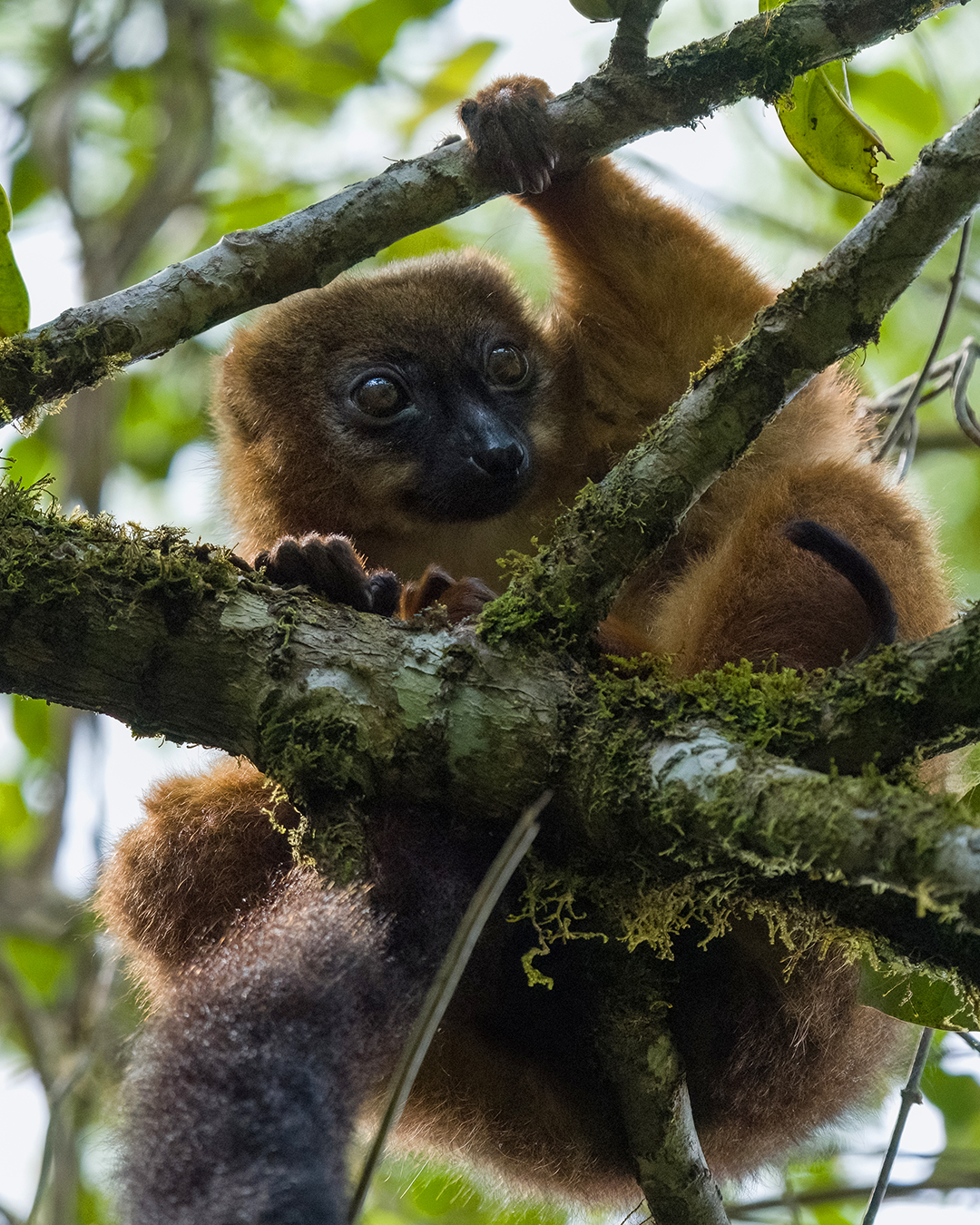
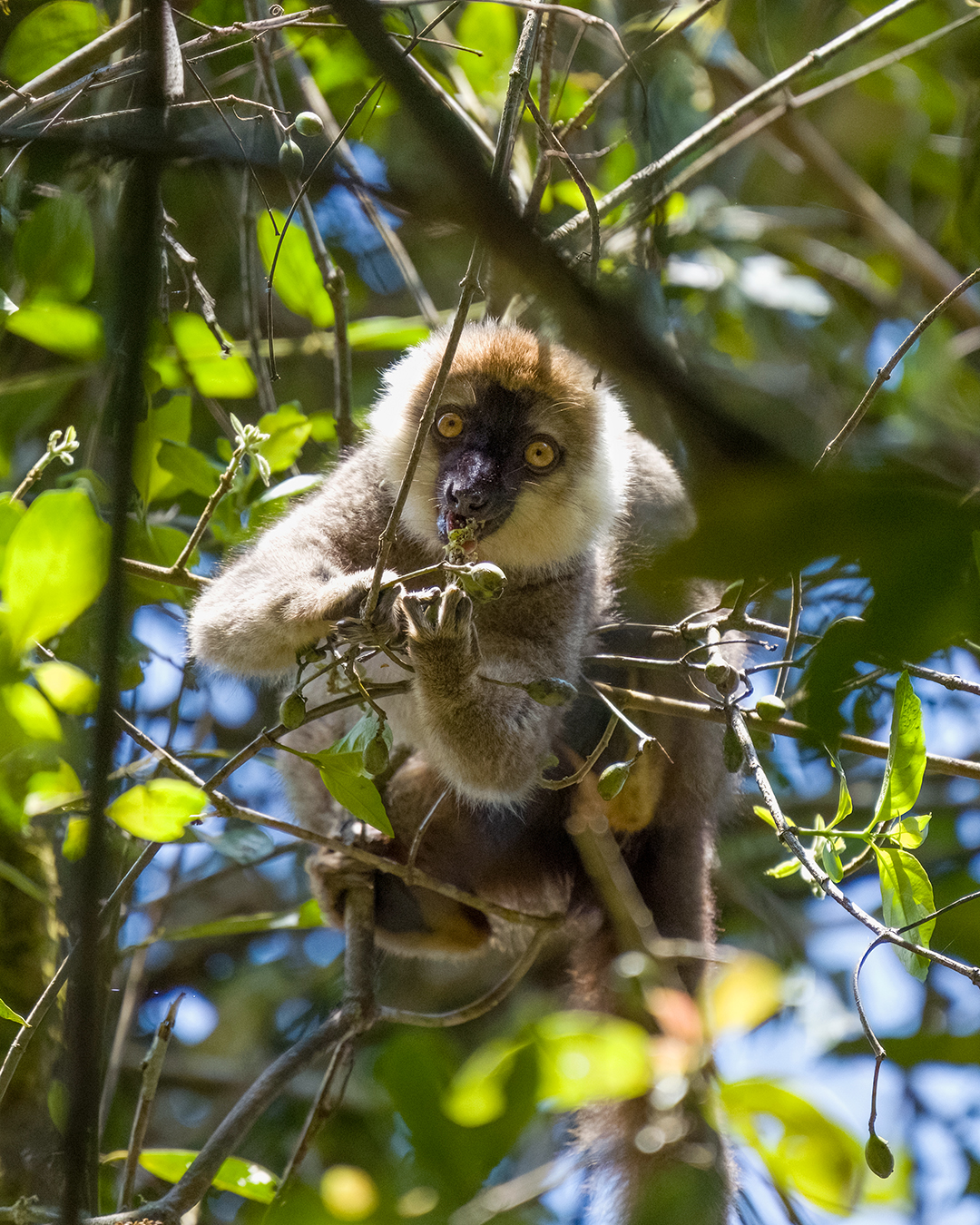
Over the next couple of hours in Ranomafana we found six different lemur species: greater bamboo lemurs, golden bamboo lemurs, Milne-Edward’s sifakas, grey bamboo lemurs, red-bellied lemurs, and red-fronted brown lemurs. It made me happy that (in contrast to the previous parks and reserves we’d visited) most of the lemurs didn’t seem overly habituated. Getting decent photos during their brief appearances in distant treetops was challenging.


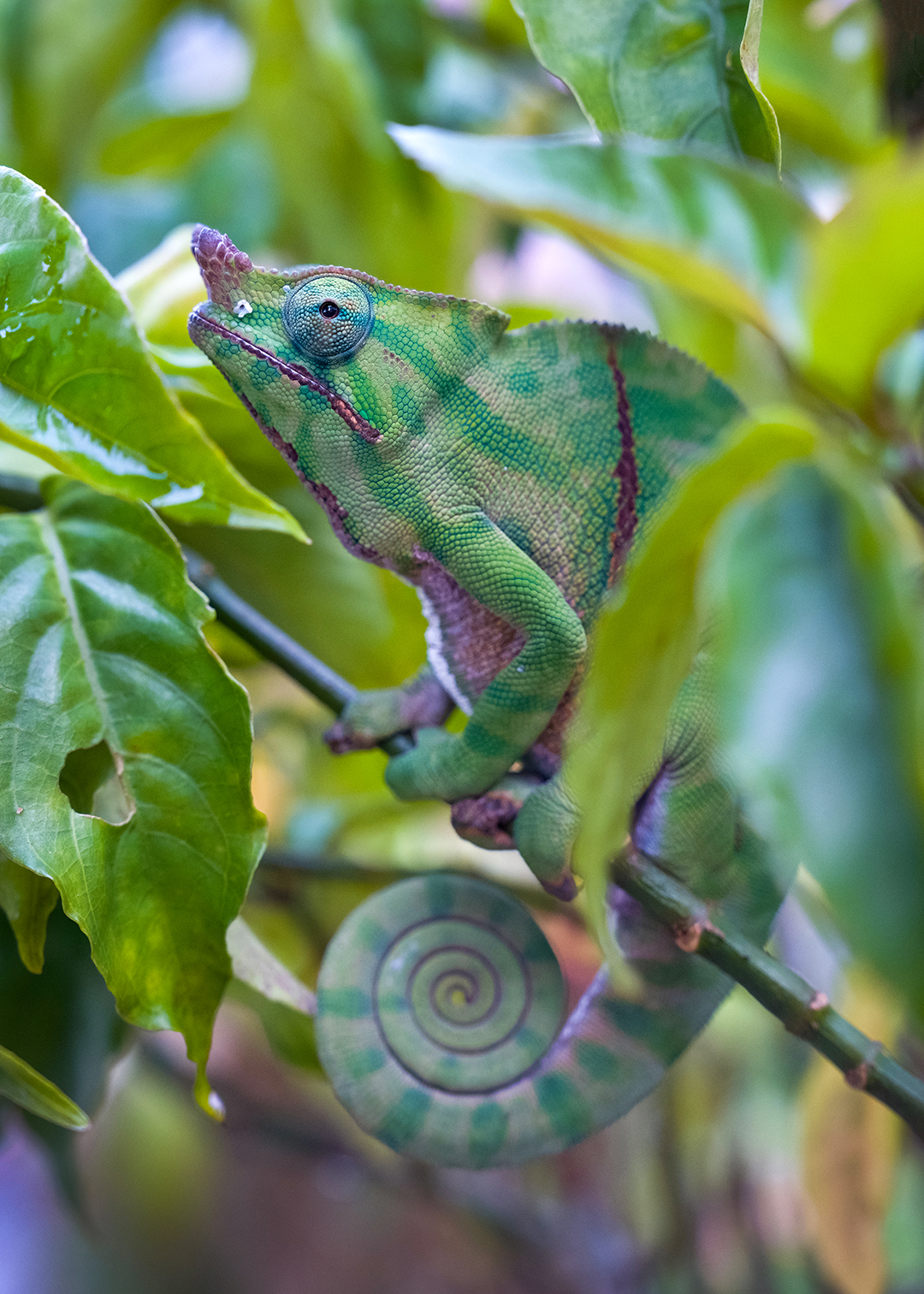
Back at our hotel that evening, one of the maintenance workers showed me an amazing chameleon in a bush right next to our room.
Unsurprisingly, I wished we could stay at Ranomafana for another few days. Marie agreed. “This is the first place that makes me happy we left the beach,” she confessed.
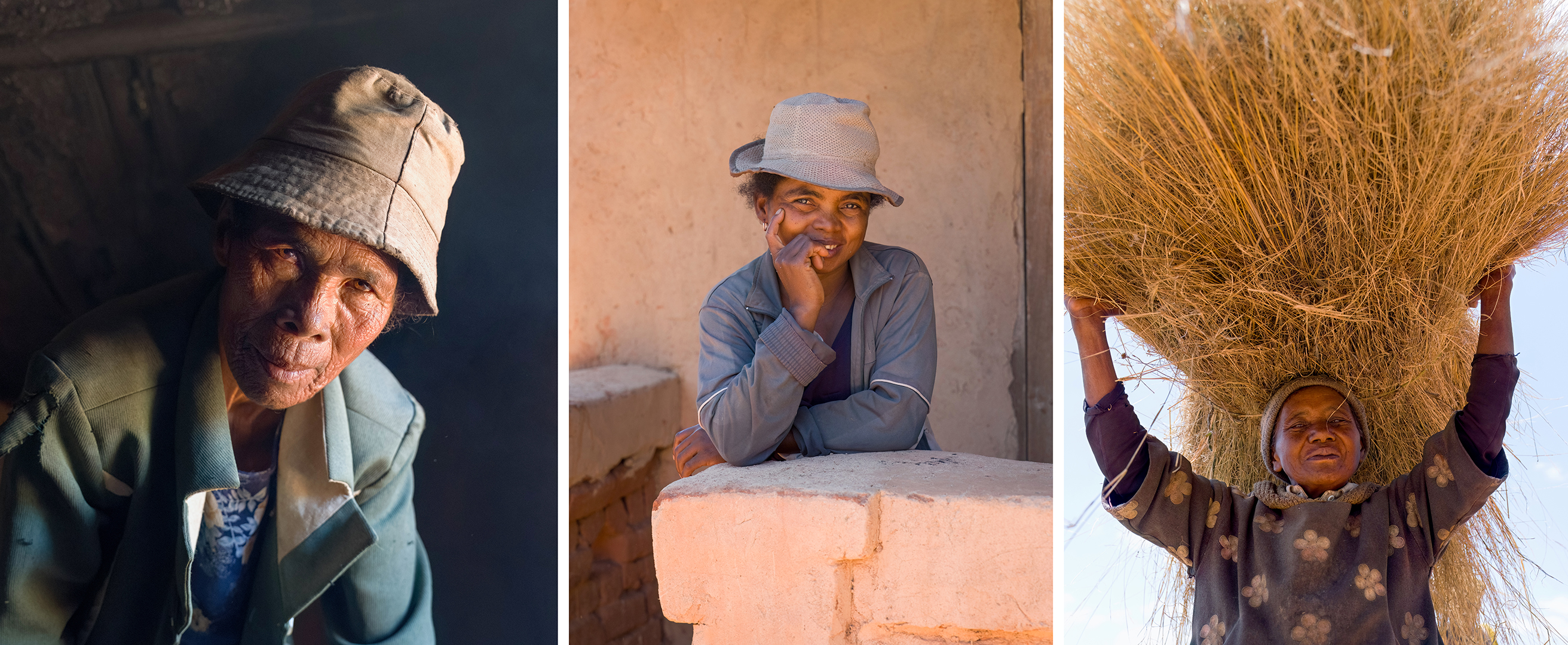
From Ranomafana a bumpy, all-day drive took us to the town of Antsirabe. Our next activity would be a change of pace – a walk through through a rural farming area called Anjazafotsy, including a quick visit to the home of a local family. While admittedly my focus is wildlife, I really enjoyed having a chance to meet (and photograph) some “regular” Malagasy people.
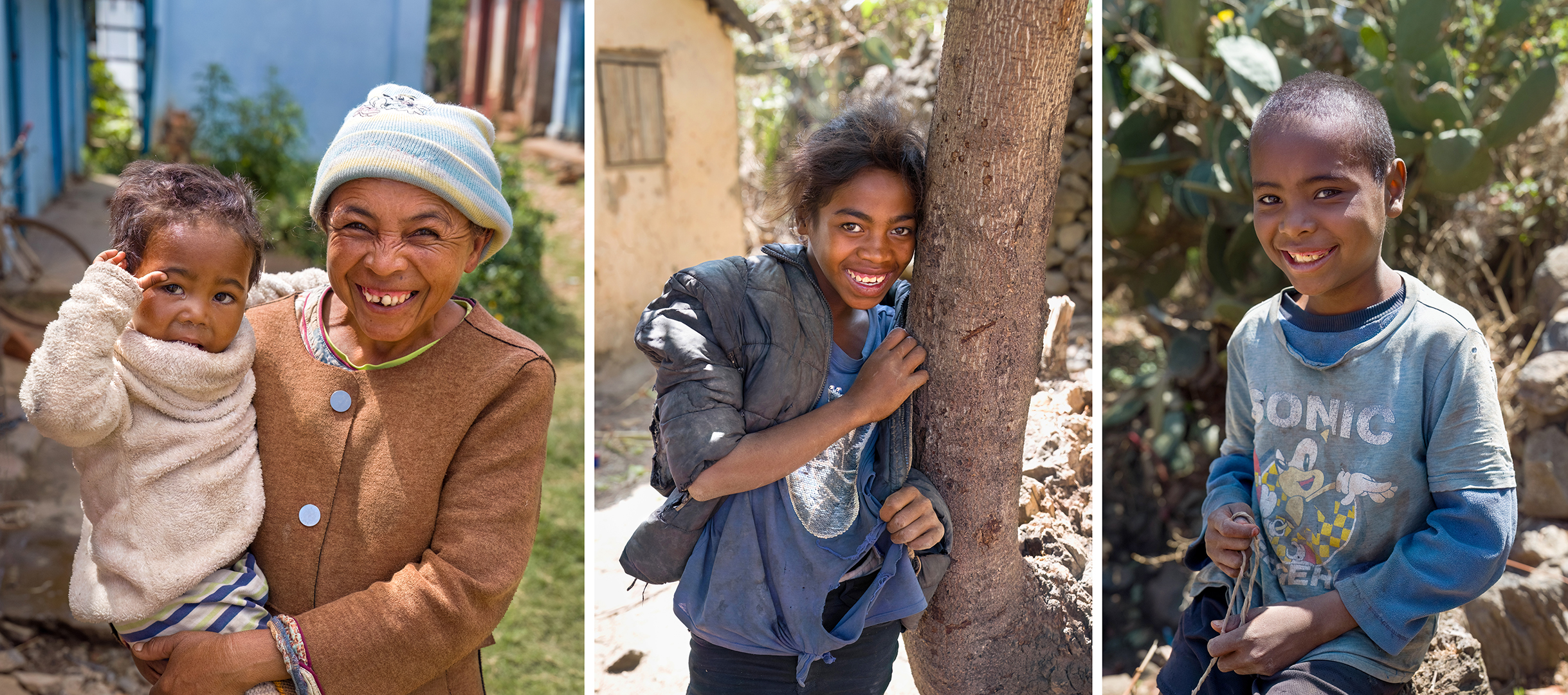
Asking locals for permission to take their photo bumped me up against the Malagasy concept of fady, a type of cultural taboo, which in turn is connected to the country’s religious beliefs and ethnic groups. I’d read that most fady are specific to individuals, families, or tribes. But a few are country-wide, including a prohibition against pointing (especially towards tombs). Madagascar’s main religion is Christianity, but traditional beliefs like ancestor-worship still play a central role. Many Malagasy believe that their ancestors continue to exist unseen all around and that pointing at them risks giving offense. I wondered if my method of asking for permission to take photos – pointing at someone and then pointing to my camera while saying something in English like “photo OK?” – might violate the fady.
I turned to our guide Solofo for help. “It’s no problem,” he assured me. “It’s only bad if you point to the distance. Most people think ancestors are further away, not right around us.”
I found the concept of fady to be really intriguing, and later I looked for examples of how a fady might come into existence. One Malagasy source I found wrote that he’d heard of a man many years ago who went to a rich landowner to ask about a job as a security guard. The landowner said he’d decided to buy a guard dog instead of hiring a person. The man, upset that the job he wanted had been taken by a dog, went home and declared that from then on it would be fady for anyone in his family to own a dog. Wow, I thought – if it’s that easy for a fady to arise it’s no wonder there are so many…
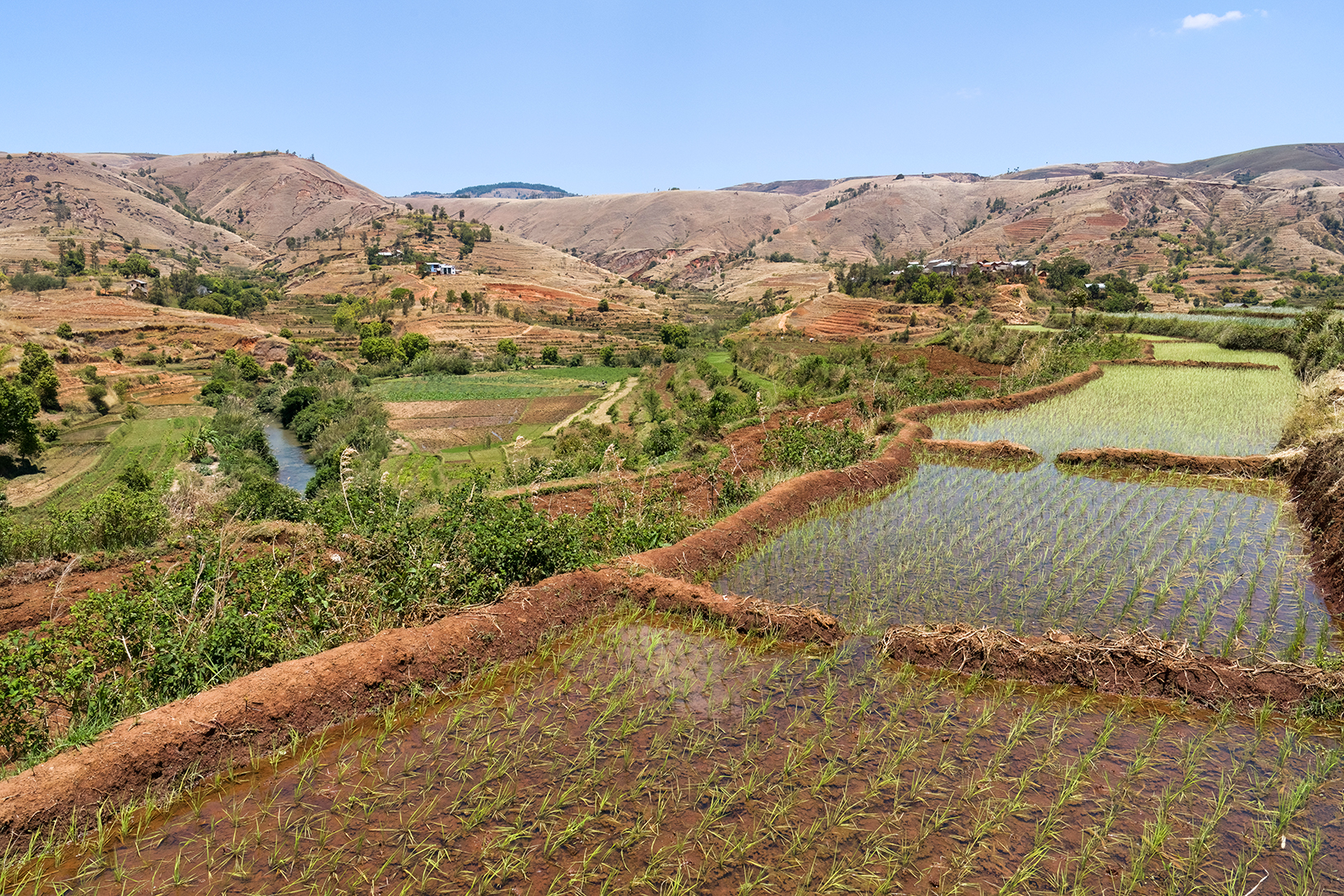
Anjazafotsy, like Tana (Madagascar’s capital and largest city) and the surrounding highlands, is dominated by the Merina people, one of the country’s 18 different ethnic groups. The Merina’s origins are mixed, but they tend to have more Indonesian heritage than other tribes, and that influence explains why terraced fields of rice – something you generally don’t see in mainland Africa – cover so much of Madagascar’s landscape.
On the way to our final destination, Andasibe-Mantadia National Park, one of the members of our tour group decided to abandon ship. Skye, an Australian who’d recently been working in Las Vegas, had a large personality that would have fit perfectly on a reality TV show. She hadn’t expected that we’d be spending so much time on the bus, and she’d had enough of the wildlife (“I don’t need to see any animal ever again, lol,” she commented on our group text). I felt bad that Skye decided to bail, but the extra space her absence freed up finally defused a (ridiculous, to my mind) controversy that had been simmering about who got to sit where on our bus.
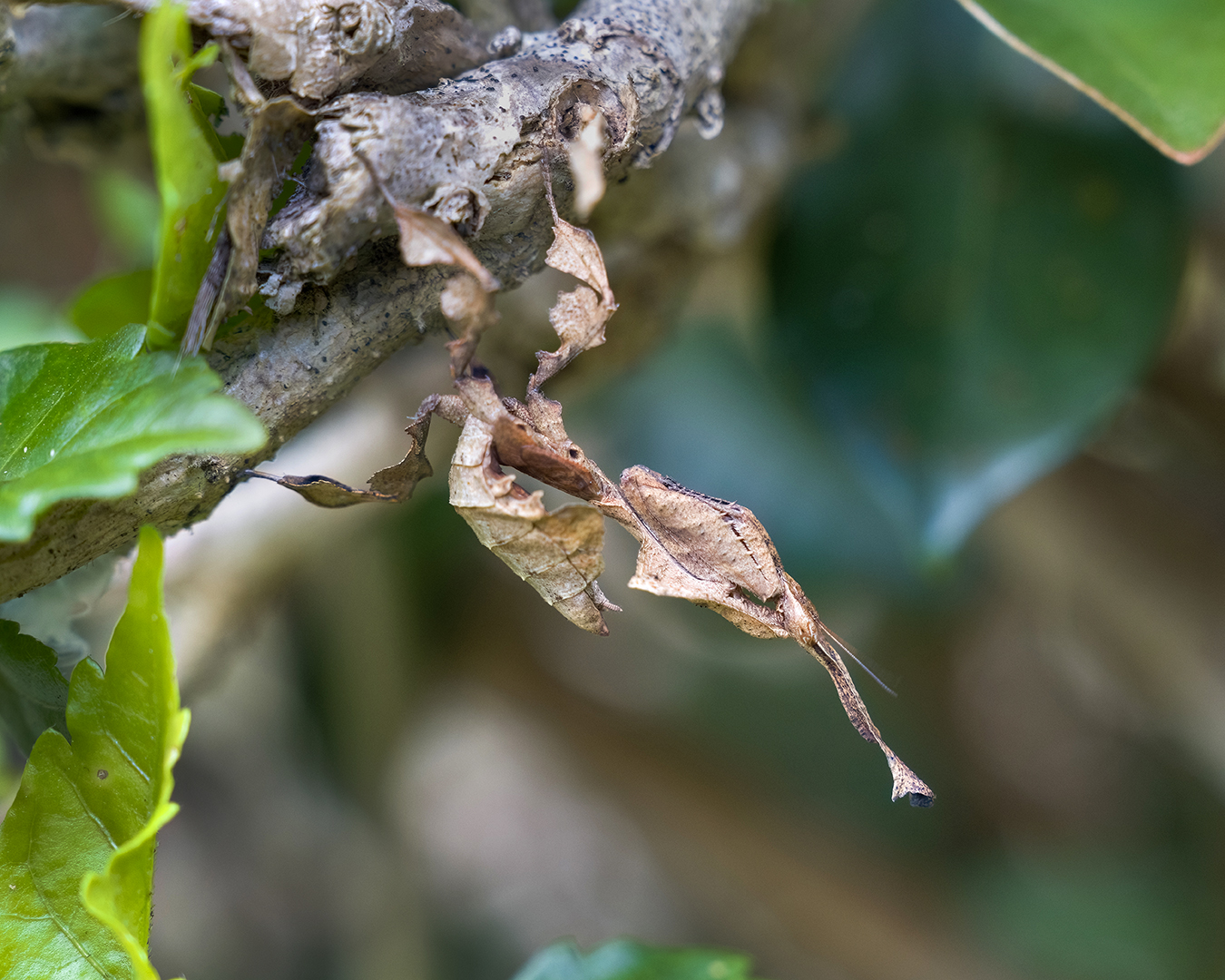
We arrived at Andasibe in the late afternoon, and on my way to our hotel room I noticed a guy with a fully tricked-out macro camera taking photos of something in a bush. After he left it took me more than a full minute to figure out what he’d been shooting: a praying mantis camouflaged to look exactly like a dead leaf. Kat later identified it as a ghost mantis. Apparently it was a relatively rare sighting – even our local guide asked if we’d show it to him.
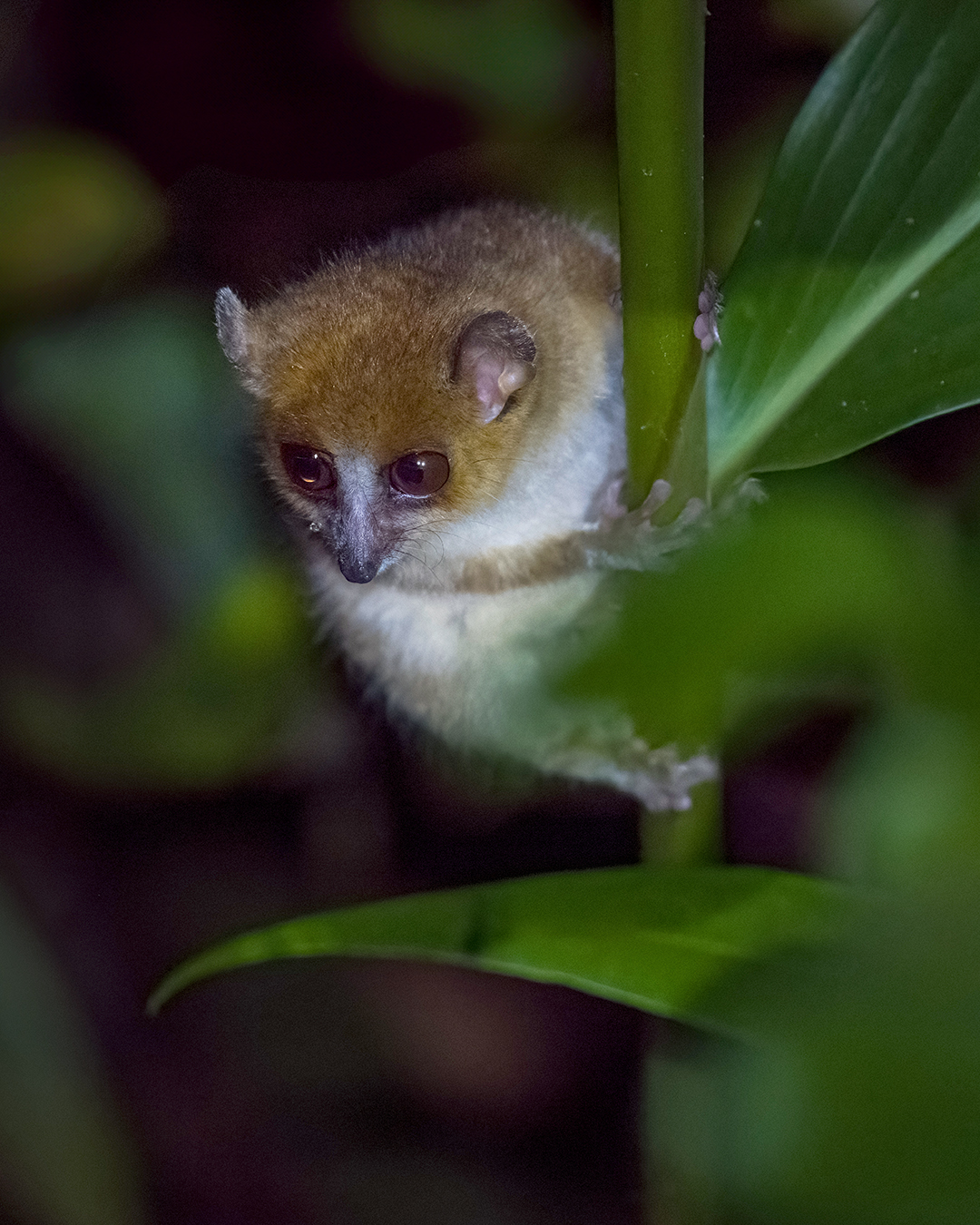
After dinner we went for a night hike. Two of the most interesting lemur species in the area – the dwarf lemur and the mouse lemur – are nocturnal, so venturing out after dark was the only way to see them. Very quickly our guide’s headlamp zeroed in on a dwarf lemur high up a tree.

Locating a mouse lemur, the smallest primate species in the world, turned out to be more challenging. Our guide seemed to be on the verge of giving up when he finally caught sight of a mouse lemur close to the road. In the excitement of trying to get a good view of our tiny, fast-moving new friend, I stepped off the road into what I thought was a shallow ditch that instead turned out to be a deep hole. Marie said she lost sight of me completely as I plunged clumsily into the darkness. No harm done, thankfully – I bounded out (awkwardly, I was informed) and resumed my frantic attempt to get a decent shot of the spectacularly cute little lemur.


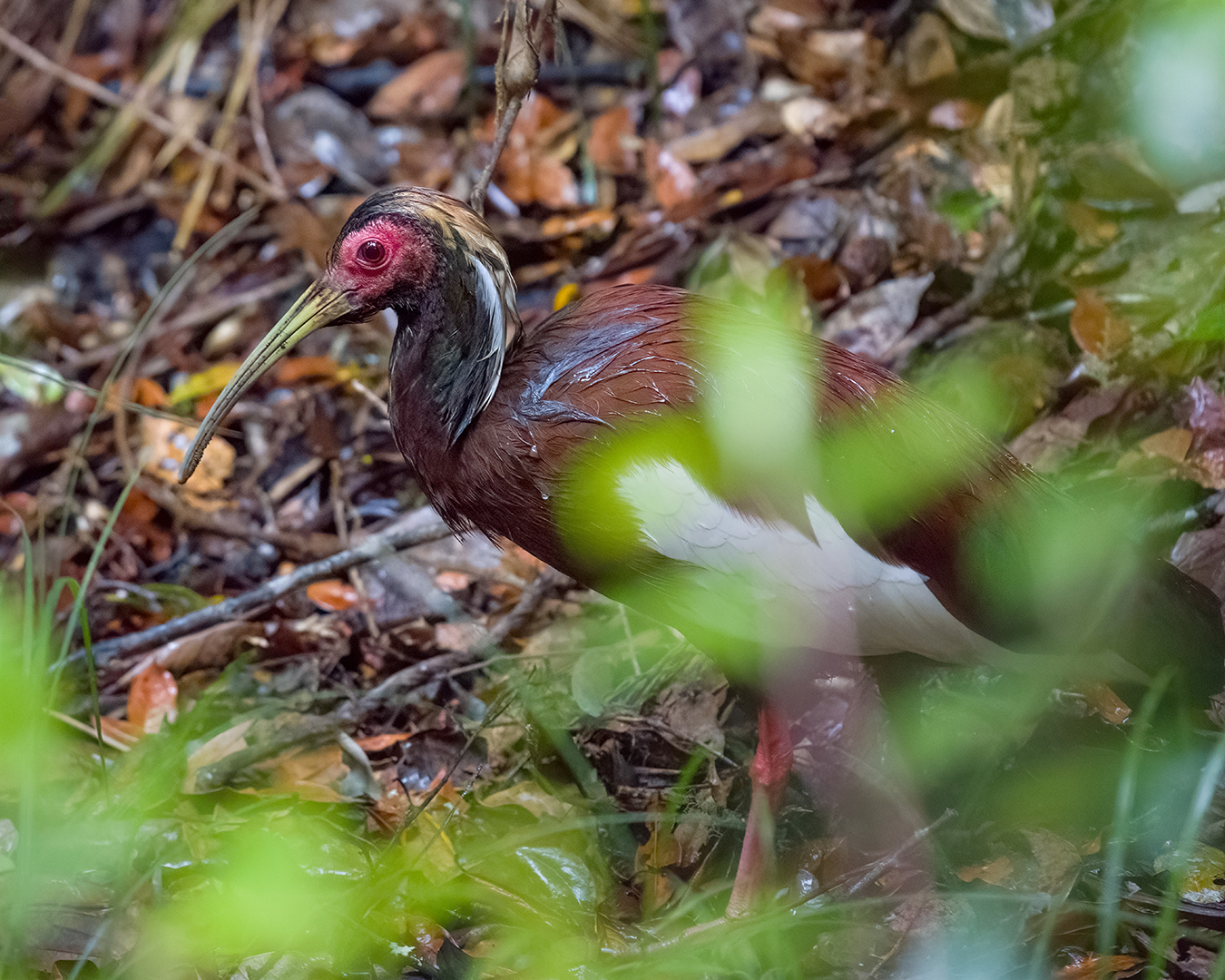
Lucie and I joined Kat at 5am the next morning for a hike focused on birds. Rain fell the entire time, dampening both our enthusiasm and the bird activity, but we did get a good look at a Madagascar ibis. According to Kat, serious birders who visit Madagascar typically have it near the top of their wish list.
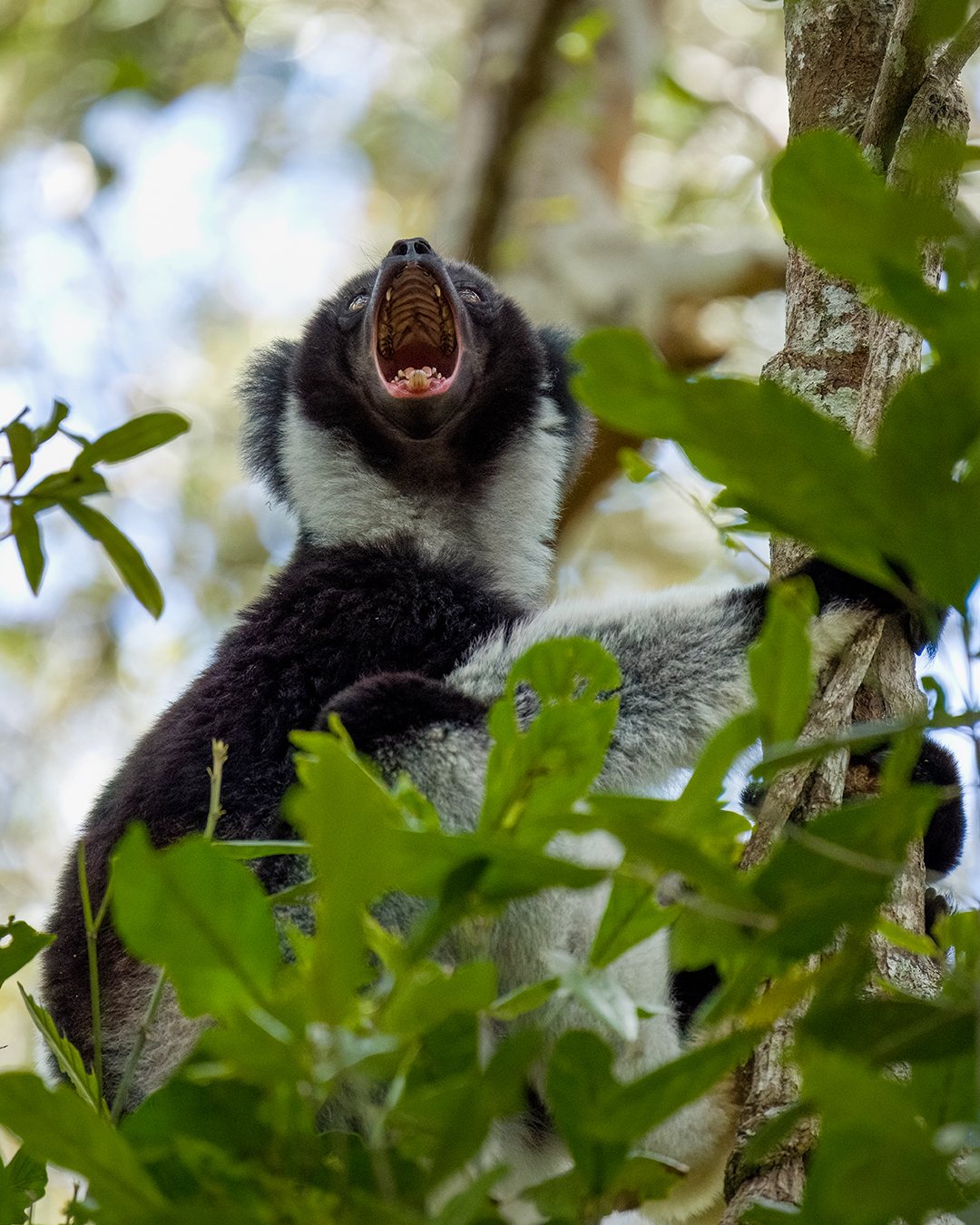
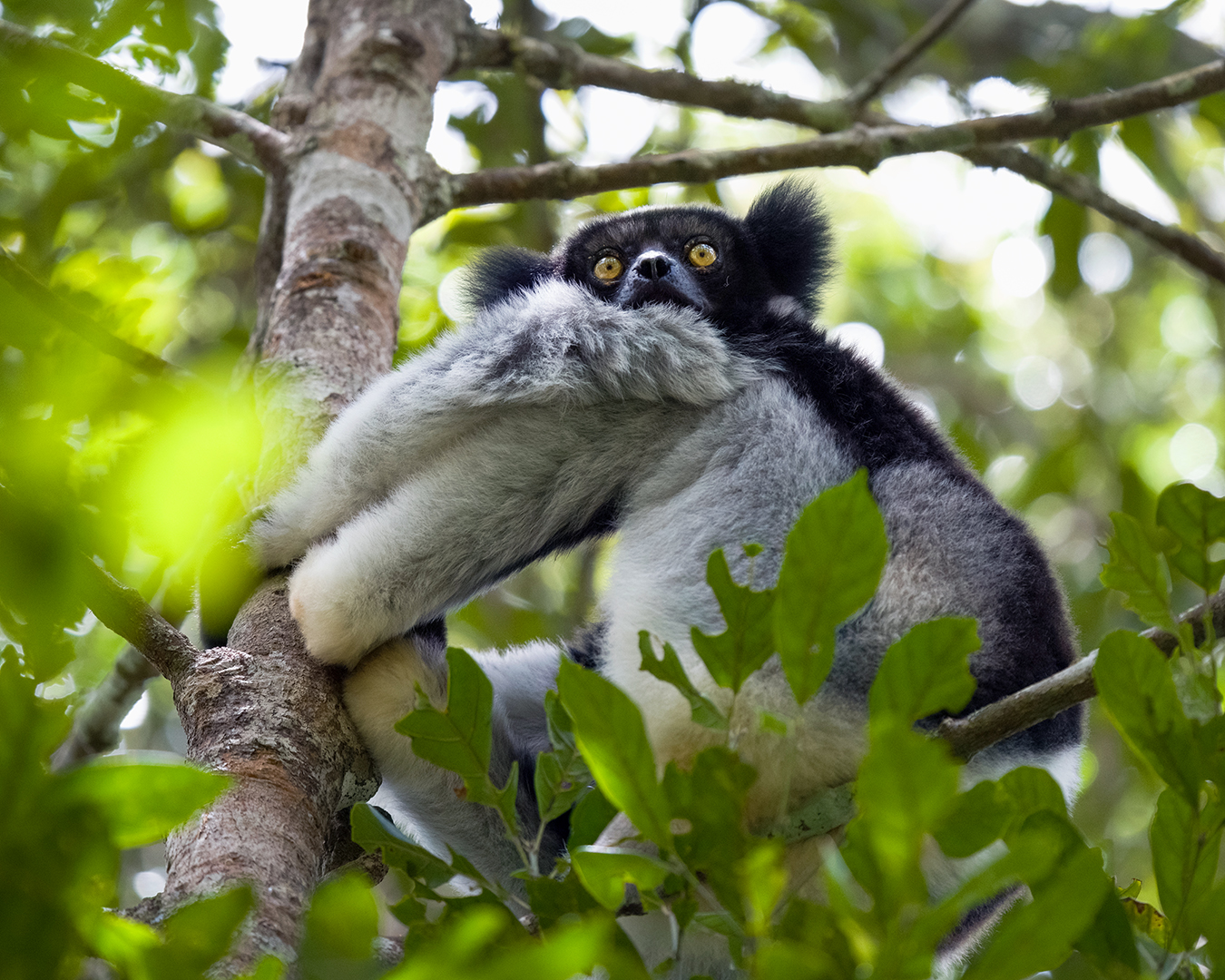
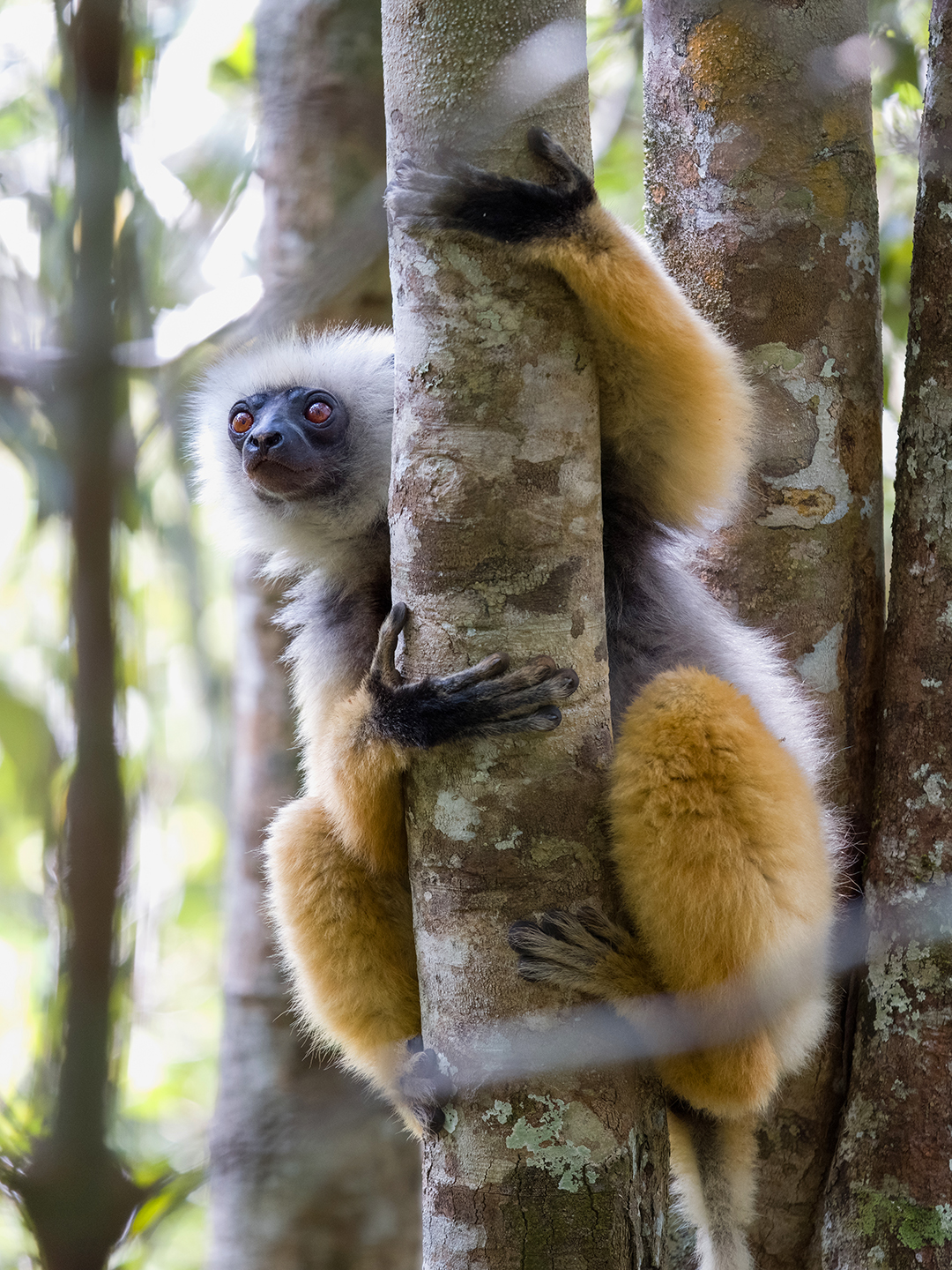
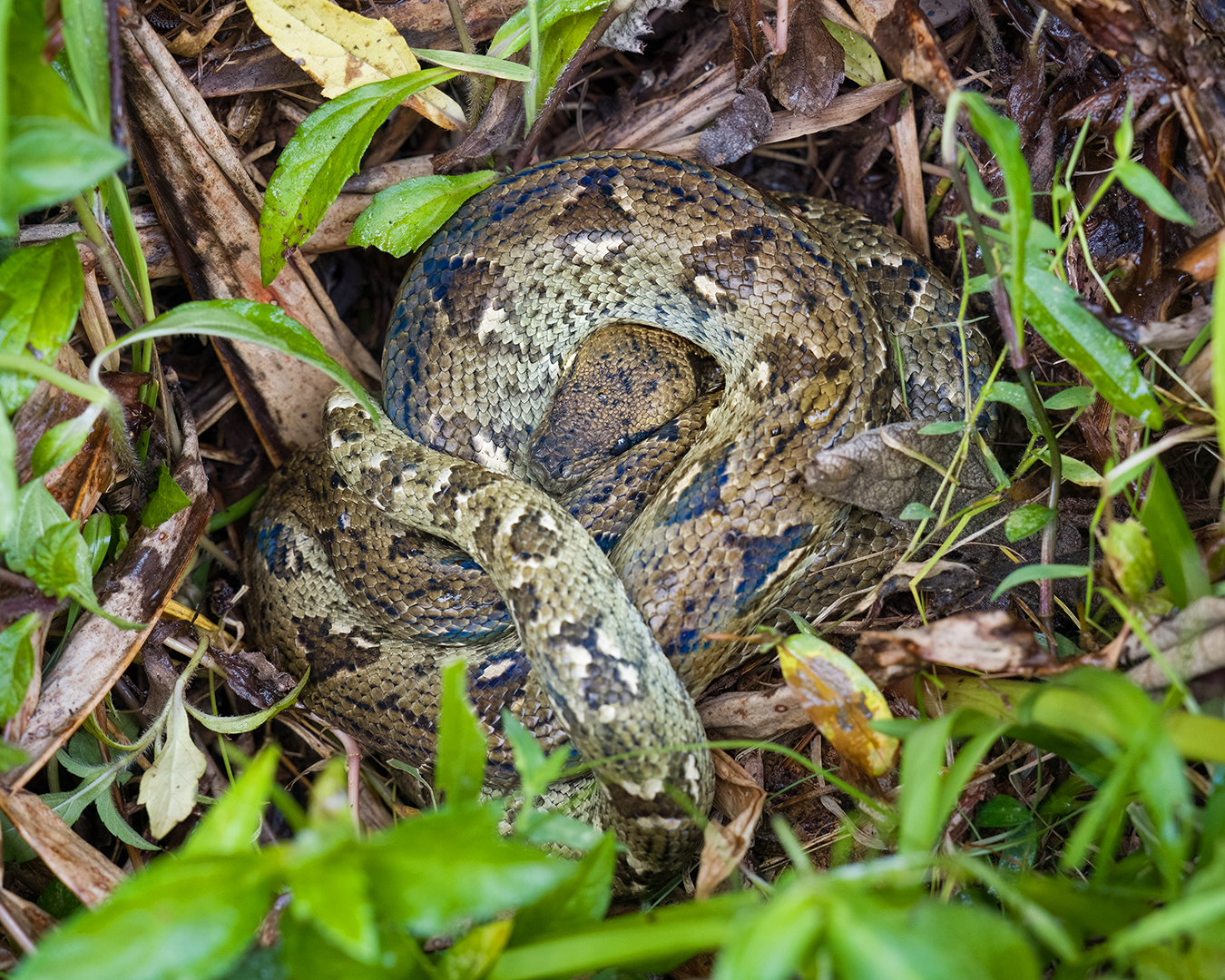
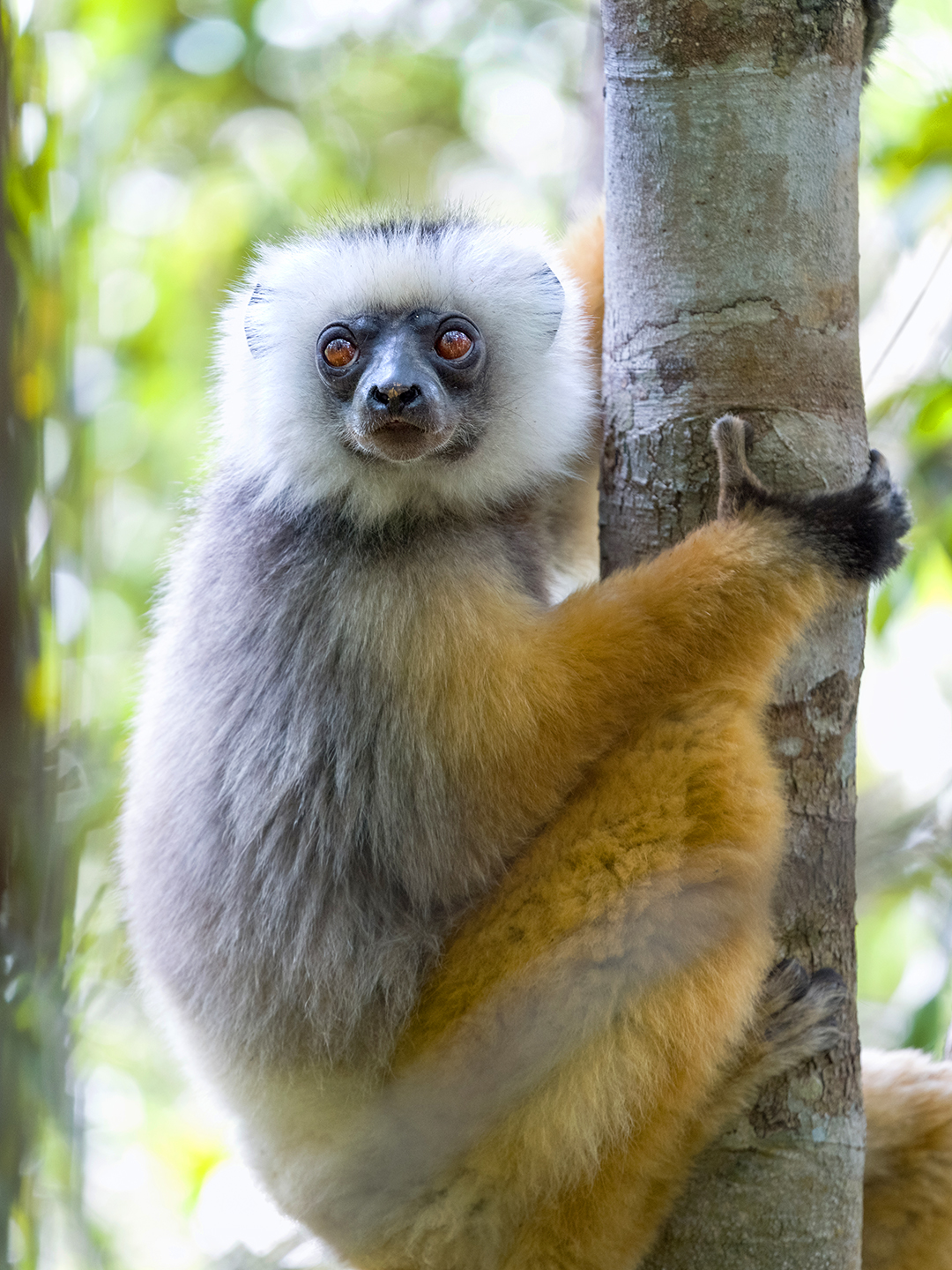
Later that morning the rain stopped and we headed back to the park. Only about half our group joined, the rest either feeling sick or craving some down time. It was the wrong hike to skip. We saw indri (the largest species of lemur, critically endangered), diademed sifakas, three boas, and a mossy leaf-tailed gecko. Indri have surprisingly deep and resonant calls, and hearing a group of them shouting to each other in the trees directly above us was a highlight.
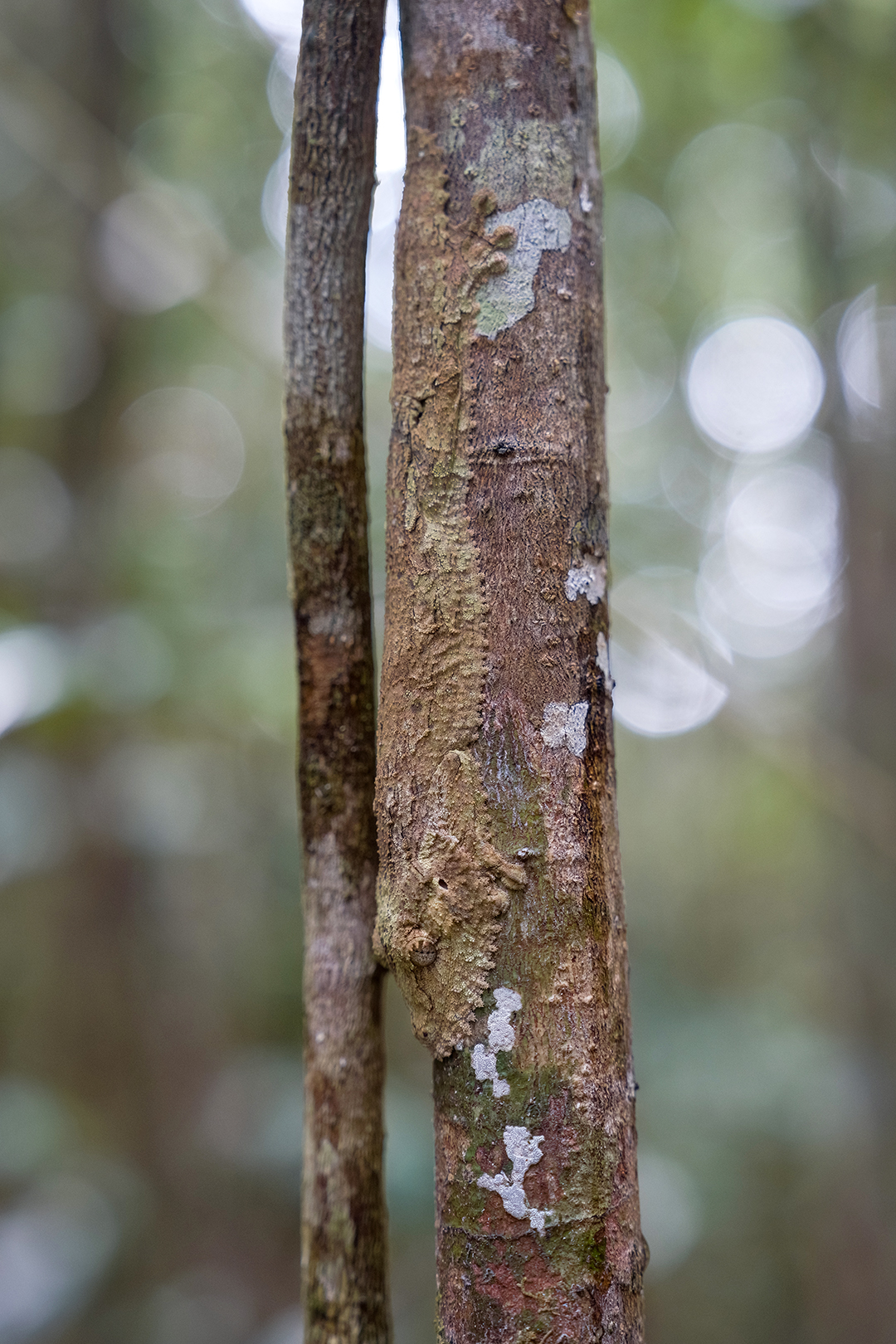
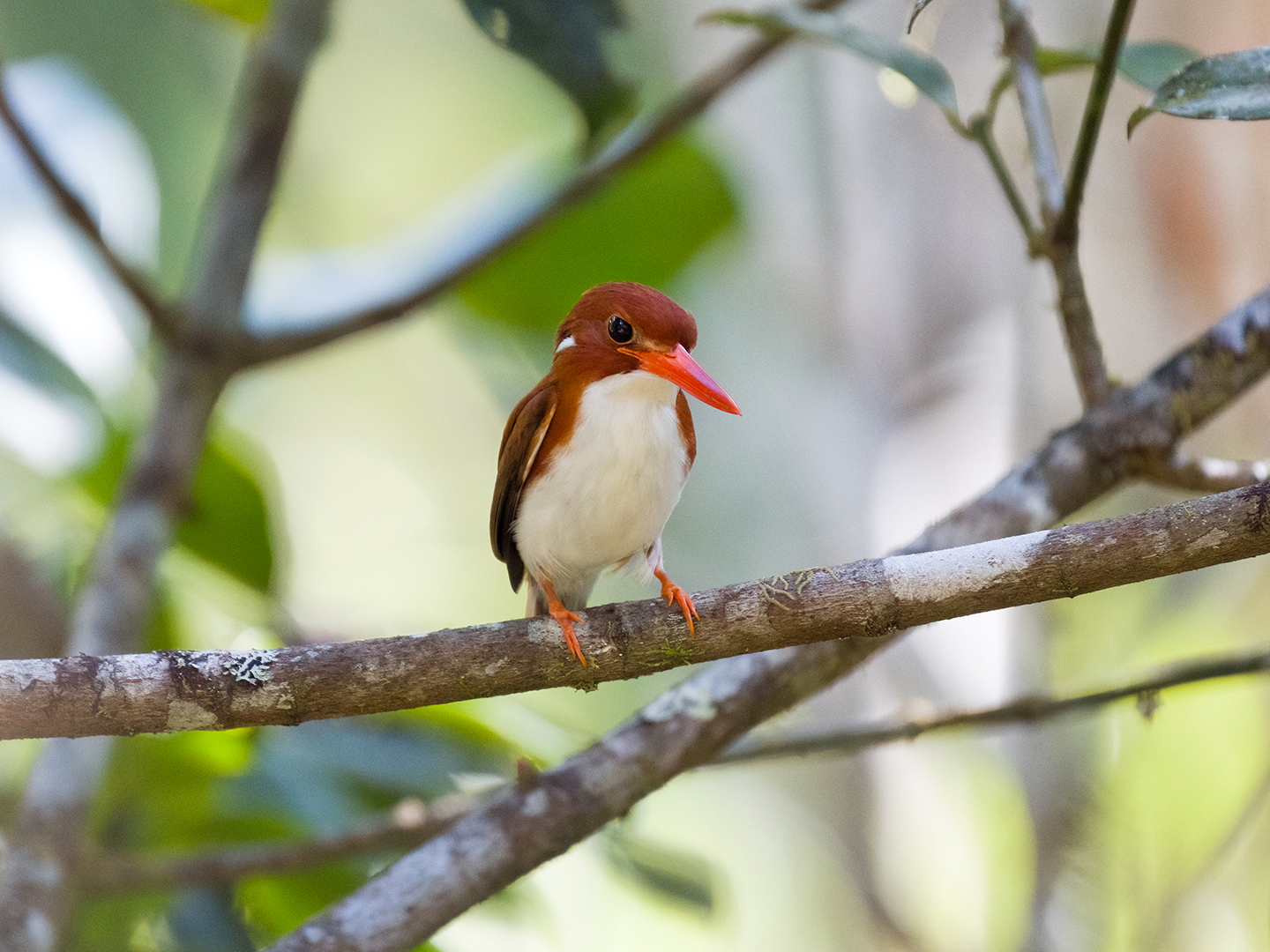
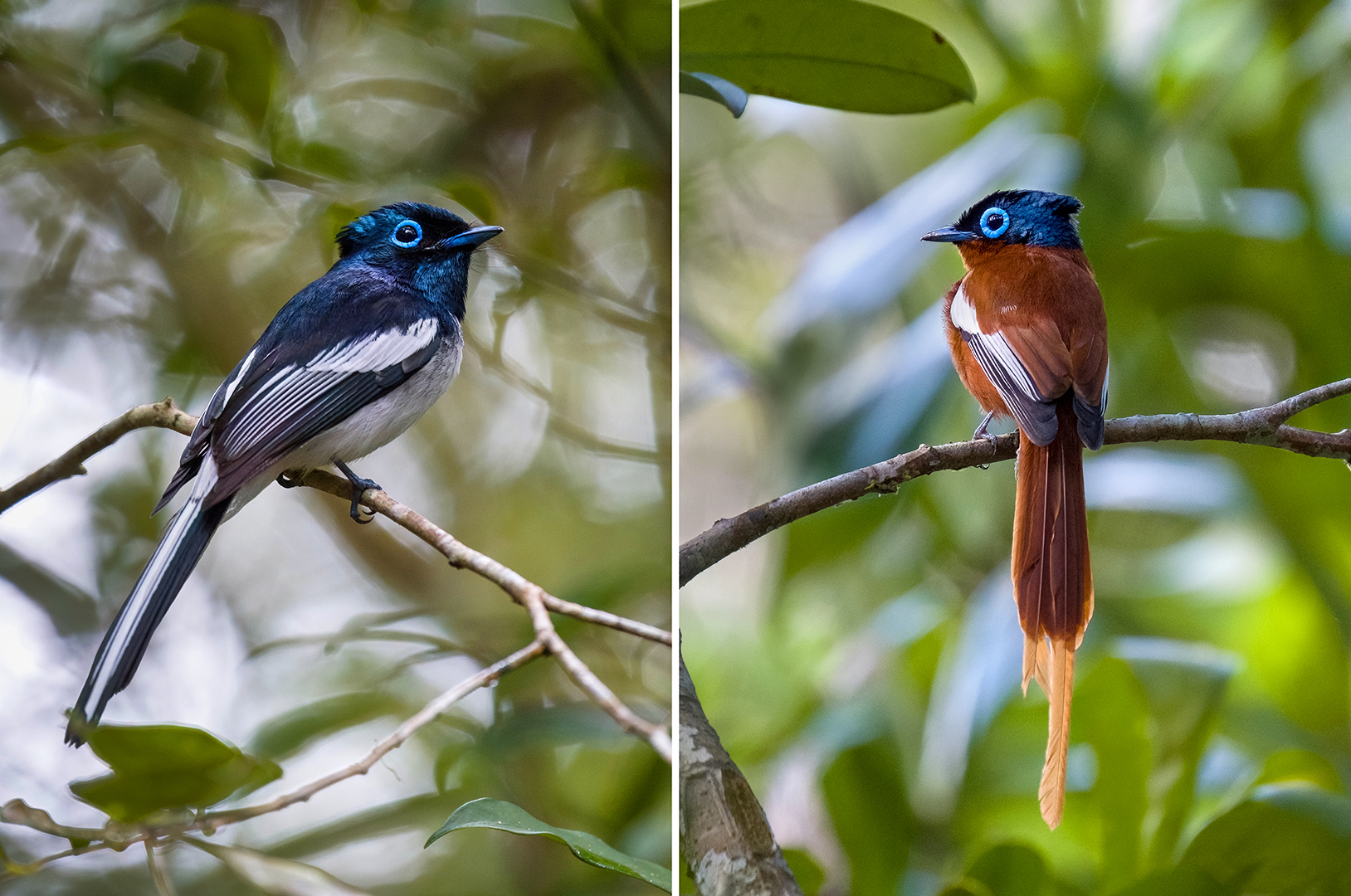
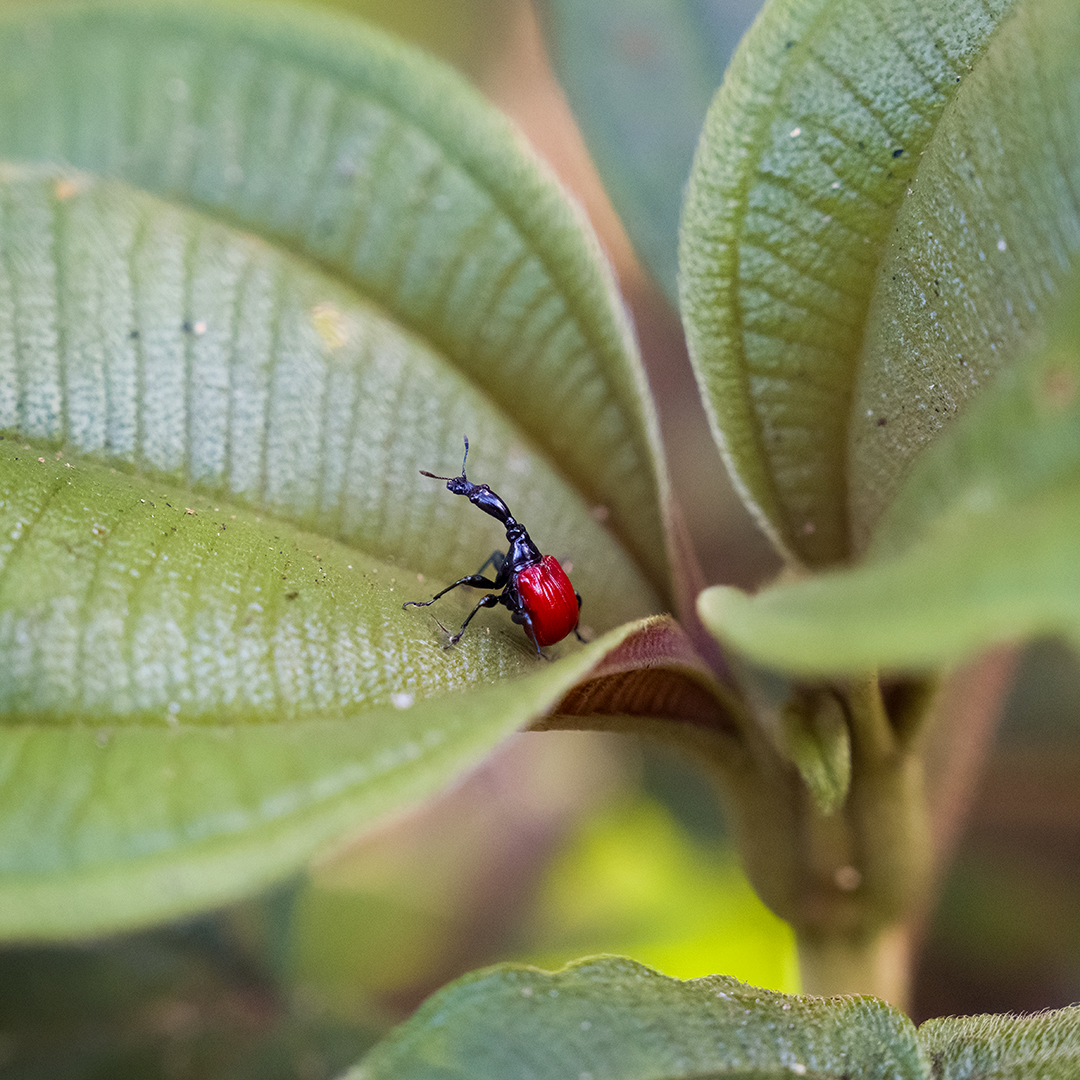
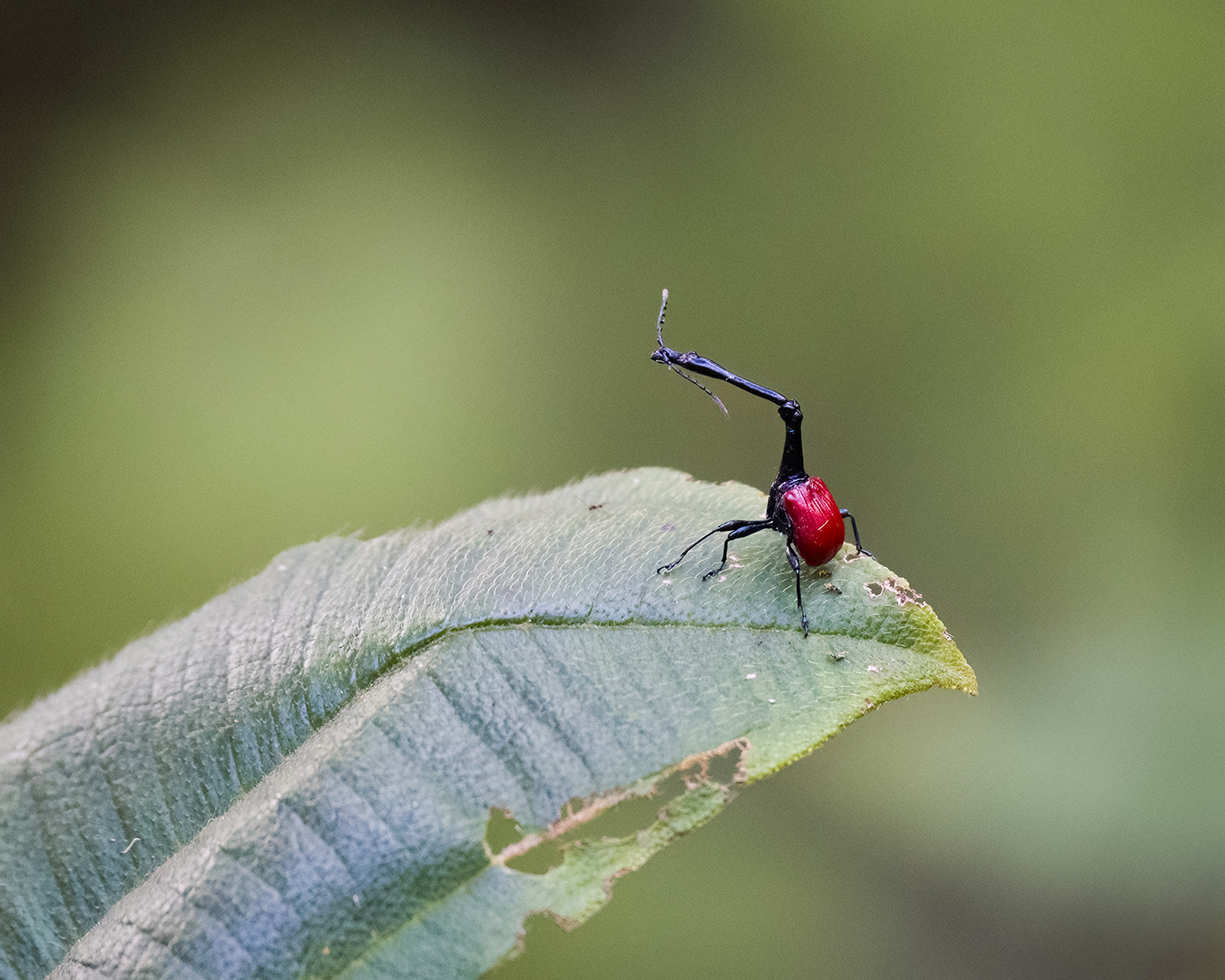
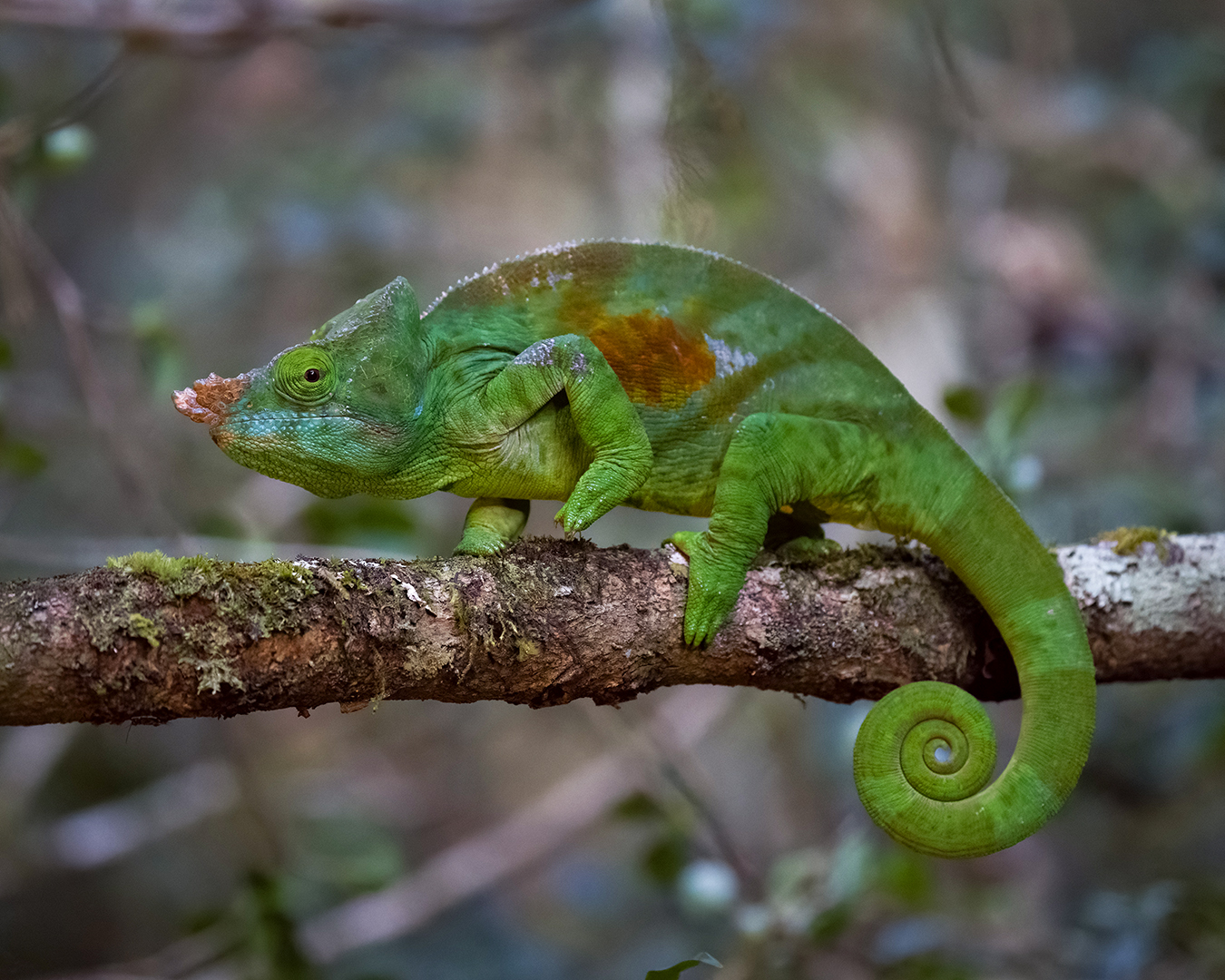
Only five of us chose to do a third hike that afternoon – me, Marie, Lucie, Desiree, and Kat (who had her own birding guide) – and again we saw one amazing animal after another. By that point Kat had spotted all of the birds she most wanted to see except for a Madagascar pygmy kingfisher, and in a stroke of luck our guides found one soon after we started. After that we saw more lemurs, more rare birds, a huge mossy leaf-tailed gecko, several giraffe-necked weevils, and a Parson’s chameleon that was maybe the most photogenic reptile of the whole trip.




At breakfast the next morning I made some bad decisions that landed me in the ranks of the sick. “Could I get fried eggs, please?” I asked a waiter.
“Two?” he replied.
“Yes,” I said uncertainly. When I’d ordered the same thing the day before there were two eggs on the plate.
“OK, two fried eggs?” the waiter confirmed.
There was a significant language barrier and something felt off, but I blundered forward. “Yes, two fried eggs please.”
Ten minutes later the waiter brought me two orders of two fried eggs, a total of four. Marie and Kat laughed and claimed they knew that’s exactly what would happen. No big deal, I thought – I’m hungry, I’ll just eat all four eggs even though they look undercooked.
A half hour later, suffering from acute gastrointestinal distress, I tried to figure out when I’d become so stupid. “Those eggs looked undercooked,” Marie said helpfully when I finally staggered out of the bathroom. “I can’t believe you ate them.”
“So great that you and Kat saw all of this coming,” I complained. “Maybe one of you could have said something before I ate the eggs instead of waiting until now?”
An hour later we left for one last visit to Andasibe National Park, our final hike of the trip. My still-rebelling stomach almost forced me to stay back at the hotel, but I couldn’t stand the idea of missing any wildlife. The outing – for me, at least – was an ordeal, but we did get a clear view of an indri parent with a child and that was worth it.

Driving the 90 miles from Andasibe back to Tana took six long hours. We had a farewell dinner with our group, including Skye, who said she felt great about her decision to stay at a nice hotel while we tromped around Andasibe.

We said our final goodbyes the next morning to what had genuinely been a good group of people. Marie and I were scheduled to fly out that afternoon, but a six hour delay meant we had to hang out in Tana until nighttime. In my egg-sick condition I appreciated having easy access to a bathroom all day, but the delay meant we wouldn’t make it to our next destination – Nairobi, Kenya – until 2am, which left us only a few hours of sleep before we departed for the Masai Mara.
Marie and I wouldn’t recommend Madagascar to everyone. We all have different motivations for traveling – I love seeing wildlife, for example, Marie loves beaches, Kat loves birds, others are into local cuisine, history, nightlife, culture, whatever. If there isn’t some specific aspect of Madagascar that strongly interests you, why subject yourself to the challenges of a country with such limited infrastructure? I was surprised that quite a few people in our tour group arrived with no particular interest, and – as a result – they mostly thought the island’s downsides (terrible roads, basic hotel rooms, issues with the food, etc.) outweighed the upsides. But I loved it. Madagascar was one of the most fascinating countries I’ve ever visited.
 endlessloopphotography.com
I’m a lawyer from Toronto and I just wanted to leave a note that, during my lunch, I’ve been reading your blog and enjoying your pictures since at least 2011. I hope these continue as I love coming along for the adventures, and sometimes use these as inspiration for my own travels (e.g., the Narrows). When I grow up I want to be Rob…
LikeLiked by 1 person
Thanks so much Alexia! It means a lot to me that anyone would find some inspiration here, and I appreciate you taking the time to leave that note… Hope you liked the Narrows!
LikeLike
Fascinating adventure. Thanks again for sharing your experiences. This was a truly unique one. What an unusual collection of wildlife. Like the comment above, I want to be Rob when I grow up, but I hope to smart enough to not eat 4 uncooked eggs in Madagascar! Keep ‘em coming, Rob. Glad you survived.
LikeLiked by 1 person
Ha, thank you, let’s hope EVERYONE would be smart enough to steer clear of 4 undercooked eggs in Madagascar!
LikeLike