
As much as I’d enjoyed my week in Puerto Ayora, I couldn’t wait to get on a boat. Land-based Galapagos trips have increased in popularity over the years, but some islands and many of the most interesting sites can only be visited on multi-day boat tours. In the past I’d been on five different Galapagos boats – Sulidae in 2001, Guantanamera in 2008, Estrella del Mar in 2011, Aida Maria in 2019, and Monserrat in 2023 – and I loved every one.
This time I’d booked an 8-day tour on the Galaxy Orion, a midrange boat with room for 14 passengers. Price was a factor, of course, but mostly I’d chosen the Galaxy Orion for its itinerary, which included stops at Fernandina and Genovesa, my two favorite islands.
All I had to do to start the tour was make the short walk from my airbnb in Puerto Ayora to the main dock, where I met Manuel, Galaxy Orion’s Cruise Director (a title I hadn’t heard on a Galapagos boat before). Manuel turned out to be awesome. He spoke great English – having lived in the U.S. for years – and acted as our main contact with the boat’s crew. Along with Manuel I met two of my fellow passengers, Fabian and Lakhdar, German friends in the middle of a long sailboat journey that had been interrupted by an equipment problem, which they used as an excuse to visit the Galapagos while they waited for repairs.
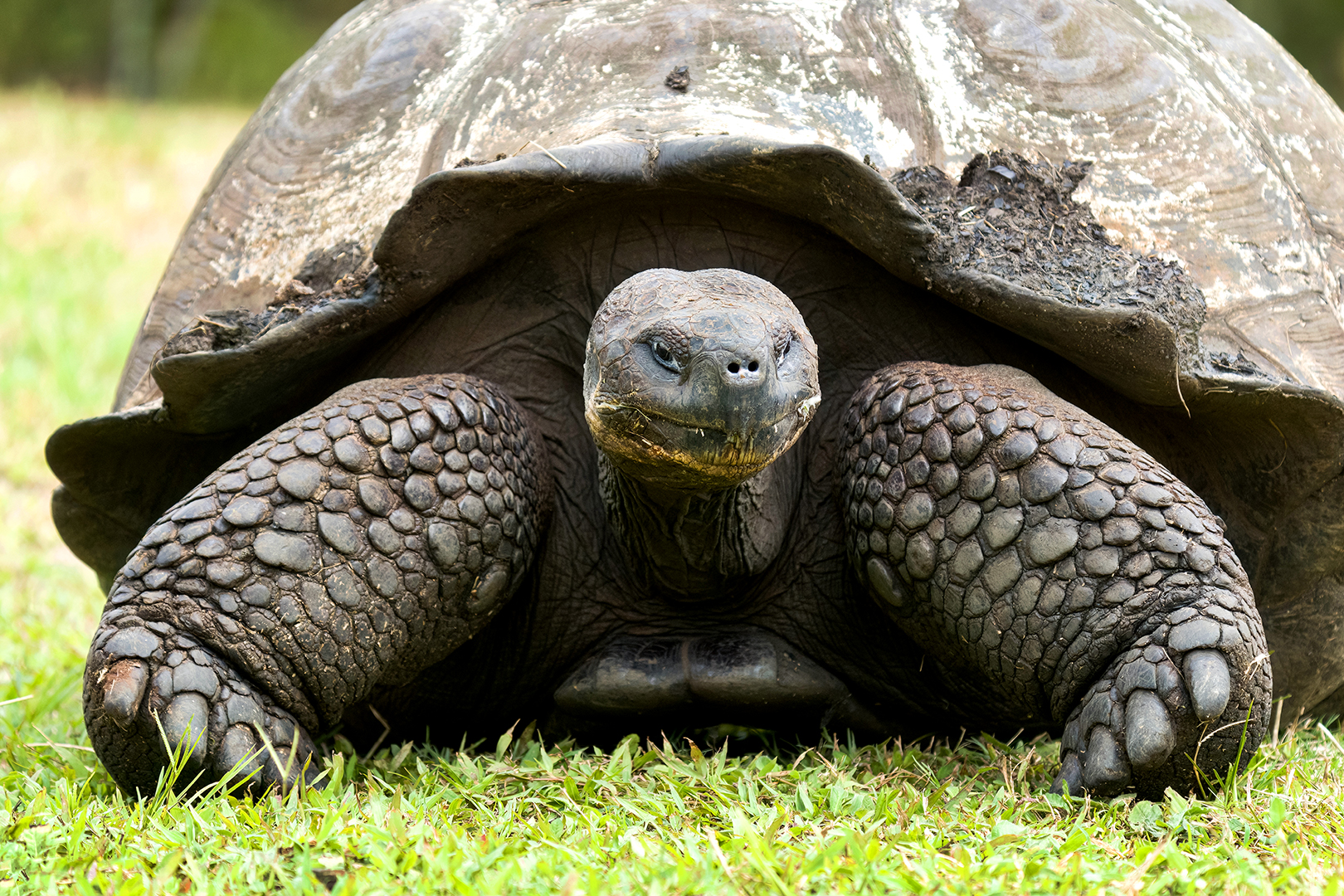
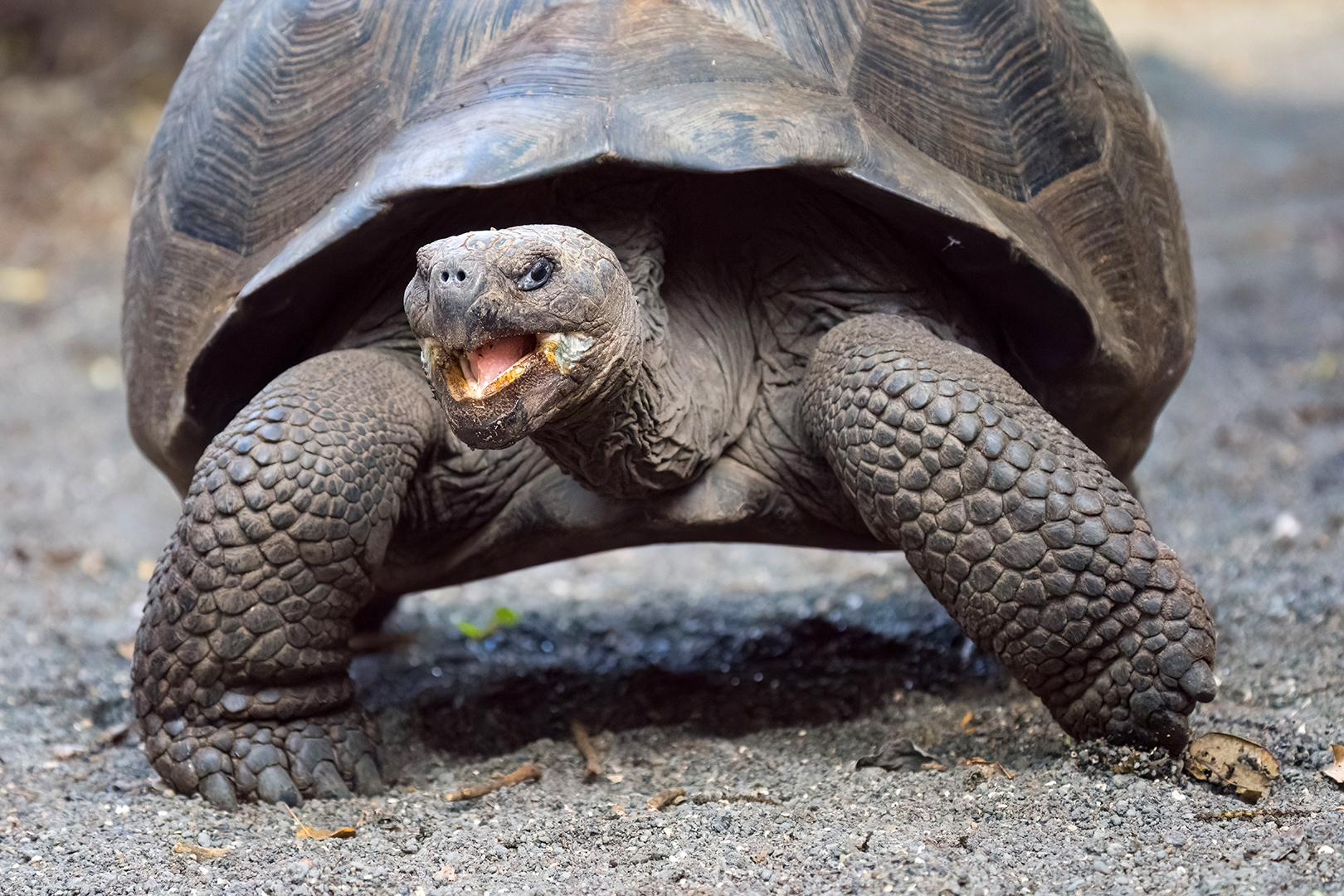
Our first activity would be to see giant tortoises in the Santa Cruz highlands, so, instead of heading directly to the boat, Manuel had a driver take me and the Germans up to Rancho Primicias to join the other 11 passengers (who were coming from the airport), meet our guide Carmen, eat lunch, and have a look at some not-truly-wild tortoises.
It’s a little nerve-racking to meet a group of strangers you’re about to be stuck with for a week on a boat. One or two bad seeds can make the experience less fun. But there was no need for trepidation – our group was solid. In addition to Fabian and Lakhdar, we had three older Australians, Anne, Jan, and Darryl; an Italian couple on their honeymoon, Lucia and Alessandro; a retired American couple from Washington state, Janet and Walter; a Canadian and her German husband, Beth and Wolfgang; and a South American couple, Nico (from Chile) and Majo (from Ecuador). Everyone was friendly and easy-going.
Our guide Carmen, on the other hand, showed some worrying signs of rigidity. Being a naturalist guide in the Galapagos is a difficult job, I fully realize. It requires a wide range of skills – the ability to get along with all kinds of people, fluency in a second language (usually English), physical endurance, a lot of patience, and of course deep knowledge of the area’s flora, fauna, geology, and history. I’m also learning that my expectations for guides tend to be too high, not just in the Galapagos but everywhere. I’m always surprised when guides don’t take a little time to get a sense of their group’s interests and priorities and then adjust accordingly, even though failing to do that seems to be the norm.
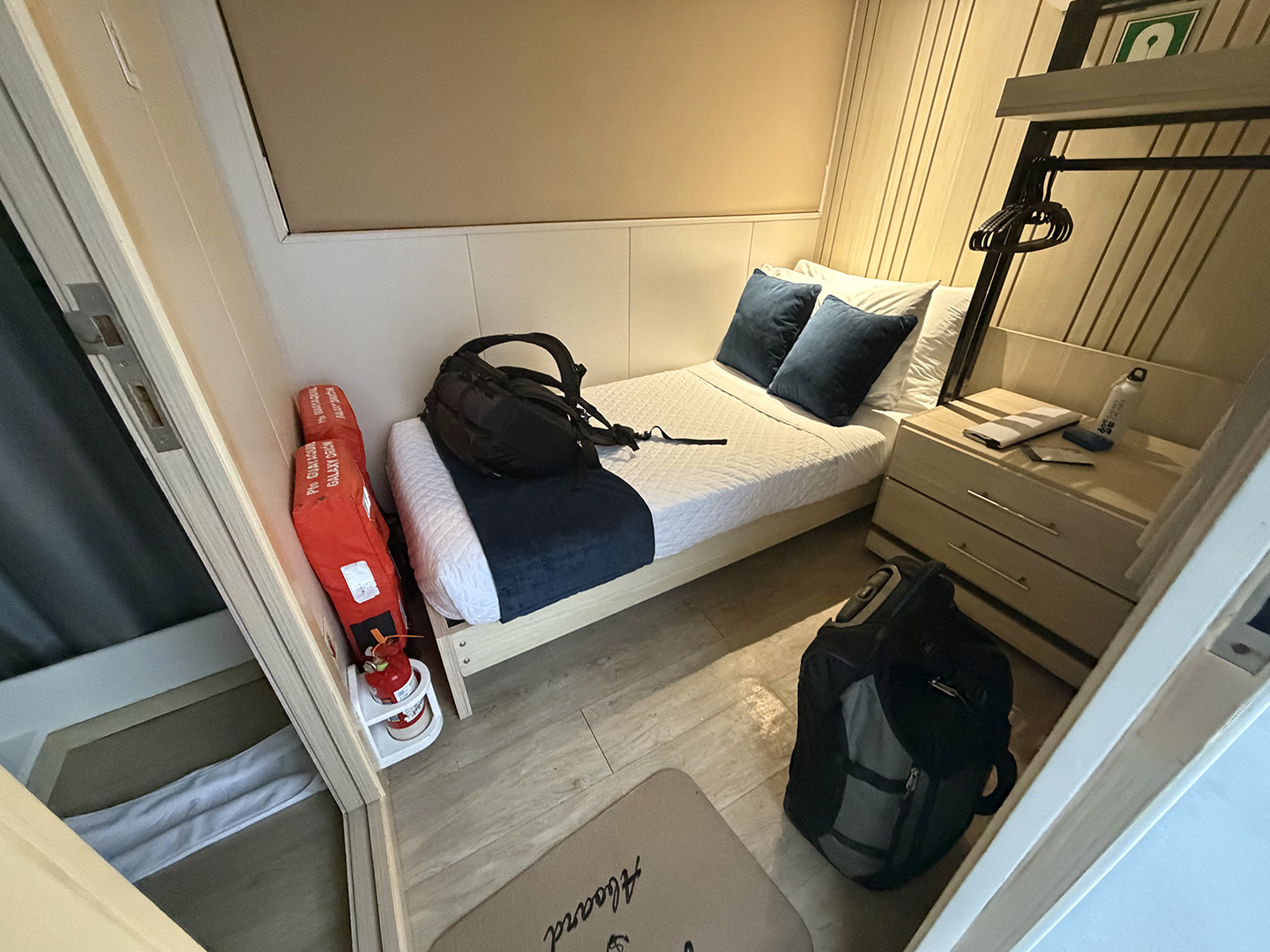
After Rancho Primicias we made a quick stop at a lava tunnel and then boarded our boat for the first time. I was lucky enough to have my own little upper-deck cabin, a real luxury considering that single travelers usually have to share a room.
Transitioning from a week of hardly speaking to anyone in Puerto Ayora to near-constant small talk with a boat full of strangers was exhausting. “I keep getting worse and worse at interacting with people,” I texted Marie.
“You do,” she replied supportively.
That night we motored over to Isabela, the big island just west of Santa Cruz, and headed out early the next morning to walk around Tintoreras, an area of lava rocks with a shallow channel that attracts reef sharks and sea turtles. That afternoon we visited Puerto Villamil, Isabela’s biggest town, and walked around the Tortoise Breeding Center before heavy rain sent most of us back to the boat. I’d known from the itinerary that these first two days of the tour would be relatively slow, for me at least, given that we were still in population centers. But things were about to ramp up as we left the towns behind.
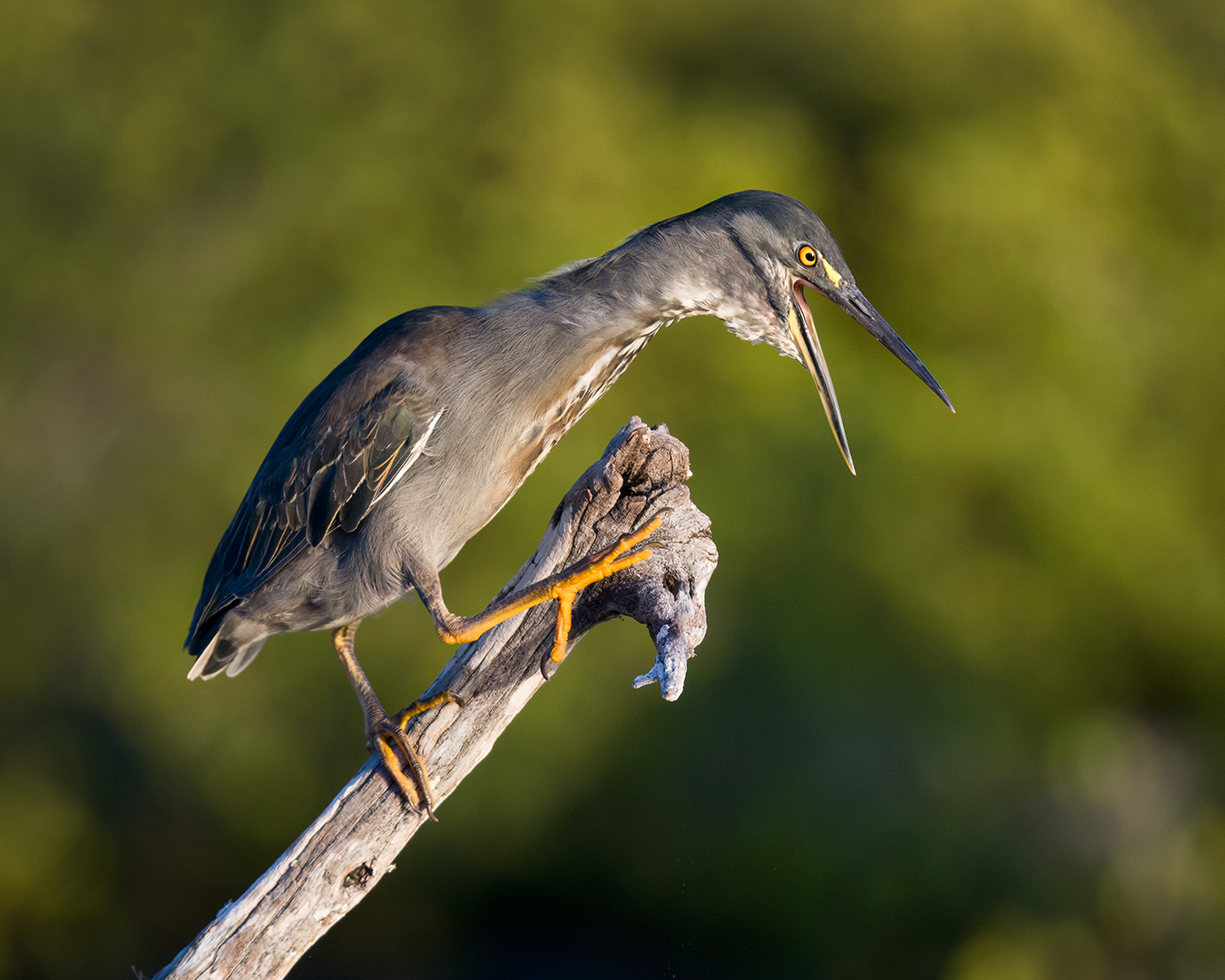
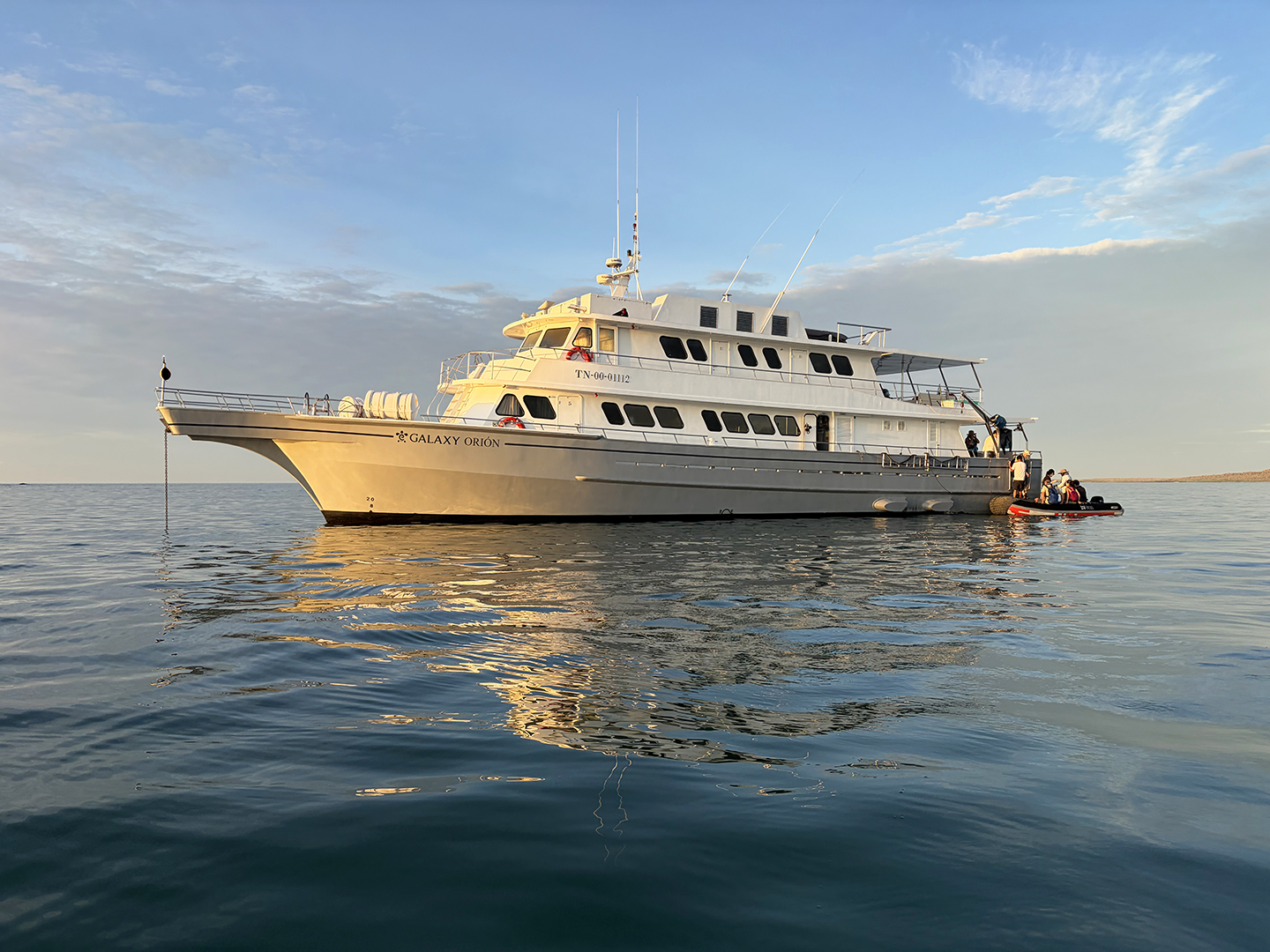
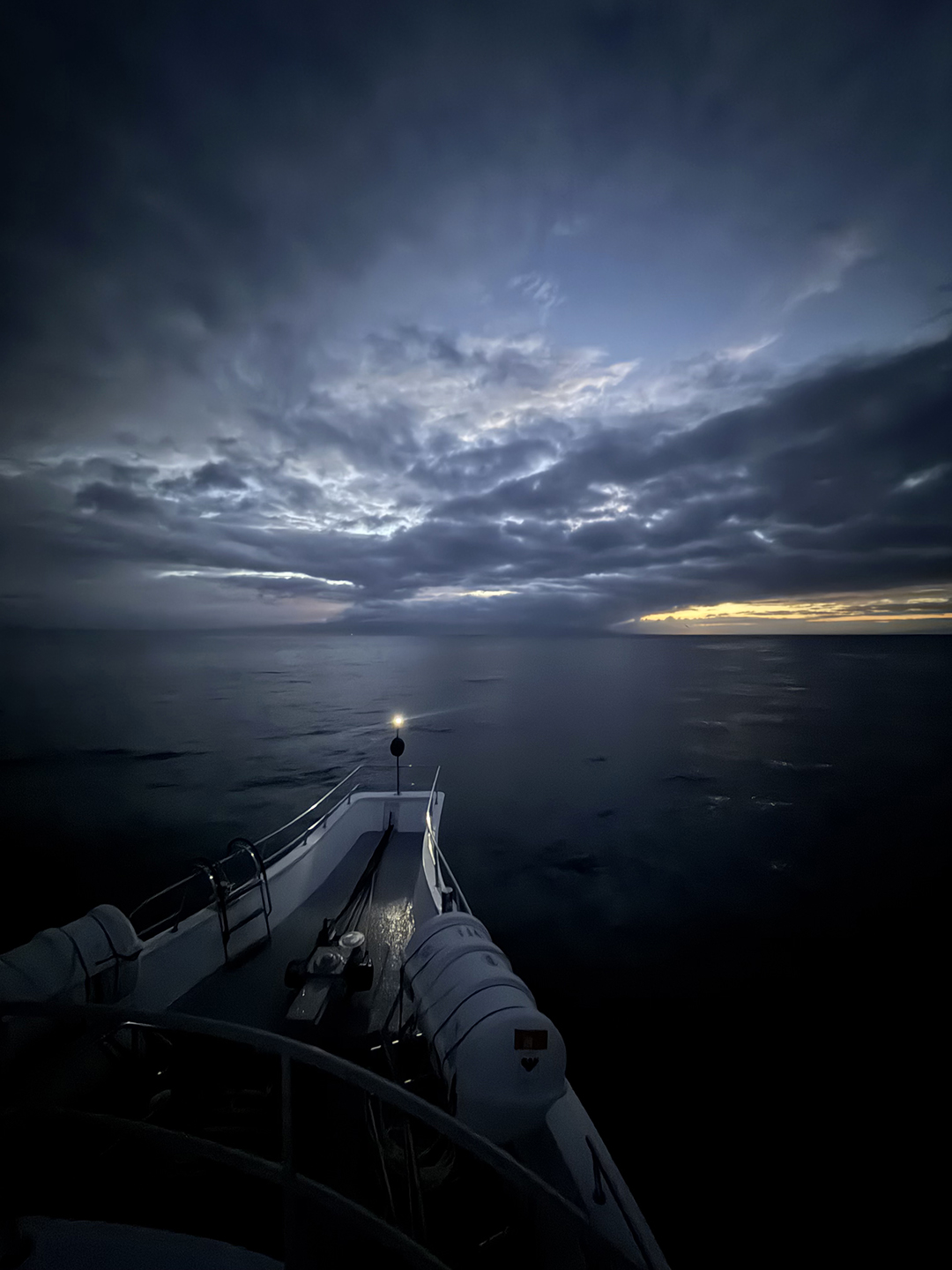
For the next few days we worked our way up the west side of Isabela, stopping at Moreno Point, Elizabeth Bay, Mangle Point, Urbina Bay, and Tagus Cove, operating under what I think of as the typical Galapagos boat routine: eat breakfast, check out a visitor site, snorkel, eat lunch, check out another visitor site, snorkel again, eat dinner, sleep as the boat moves to a new area overnight, repeat. I was thrilled to plunge into the water at Moreno Point for my first snorkeling of the tour. Almost immediately I ran into some sea lions that were ready to play.
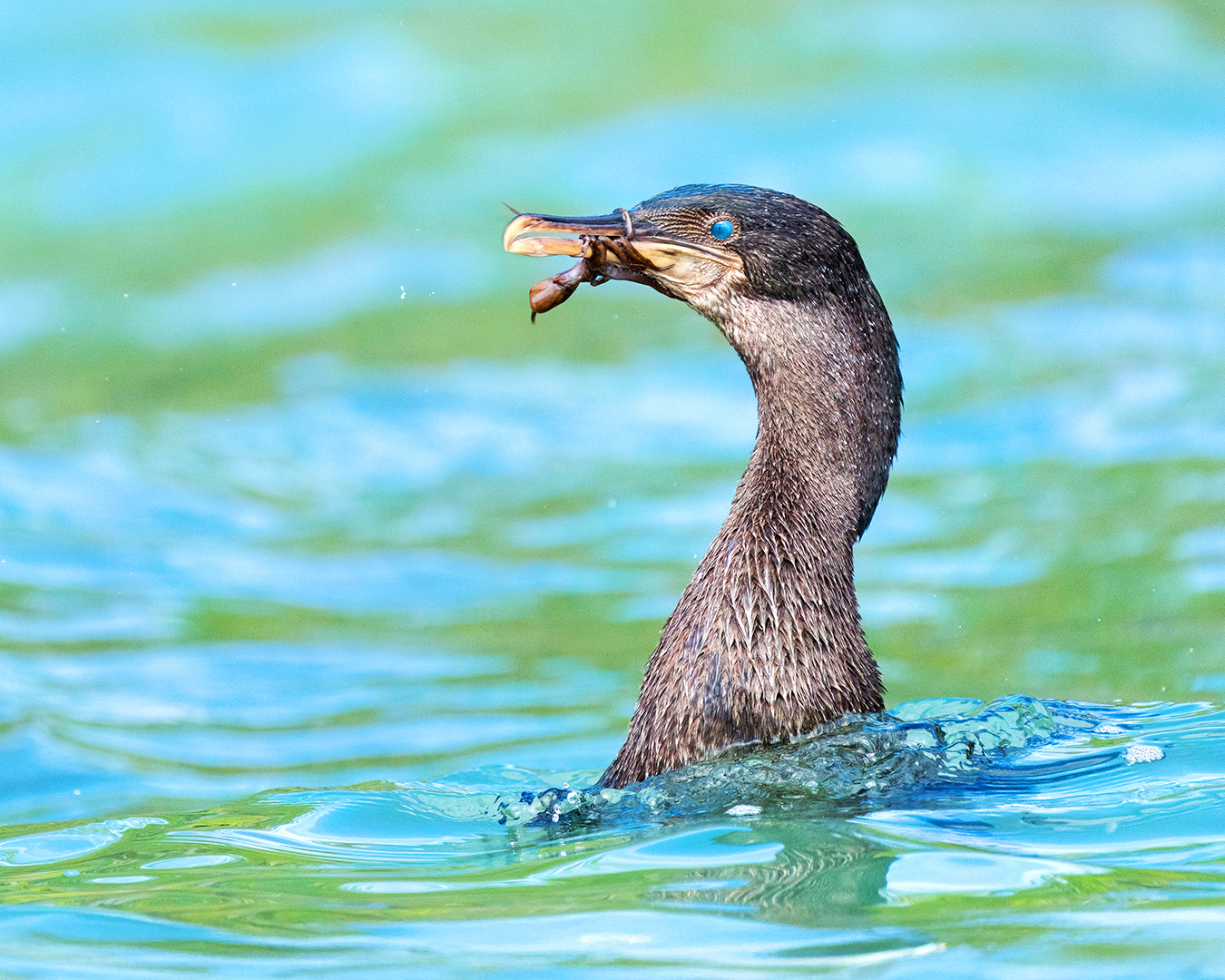
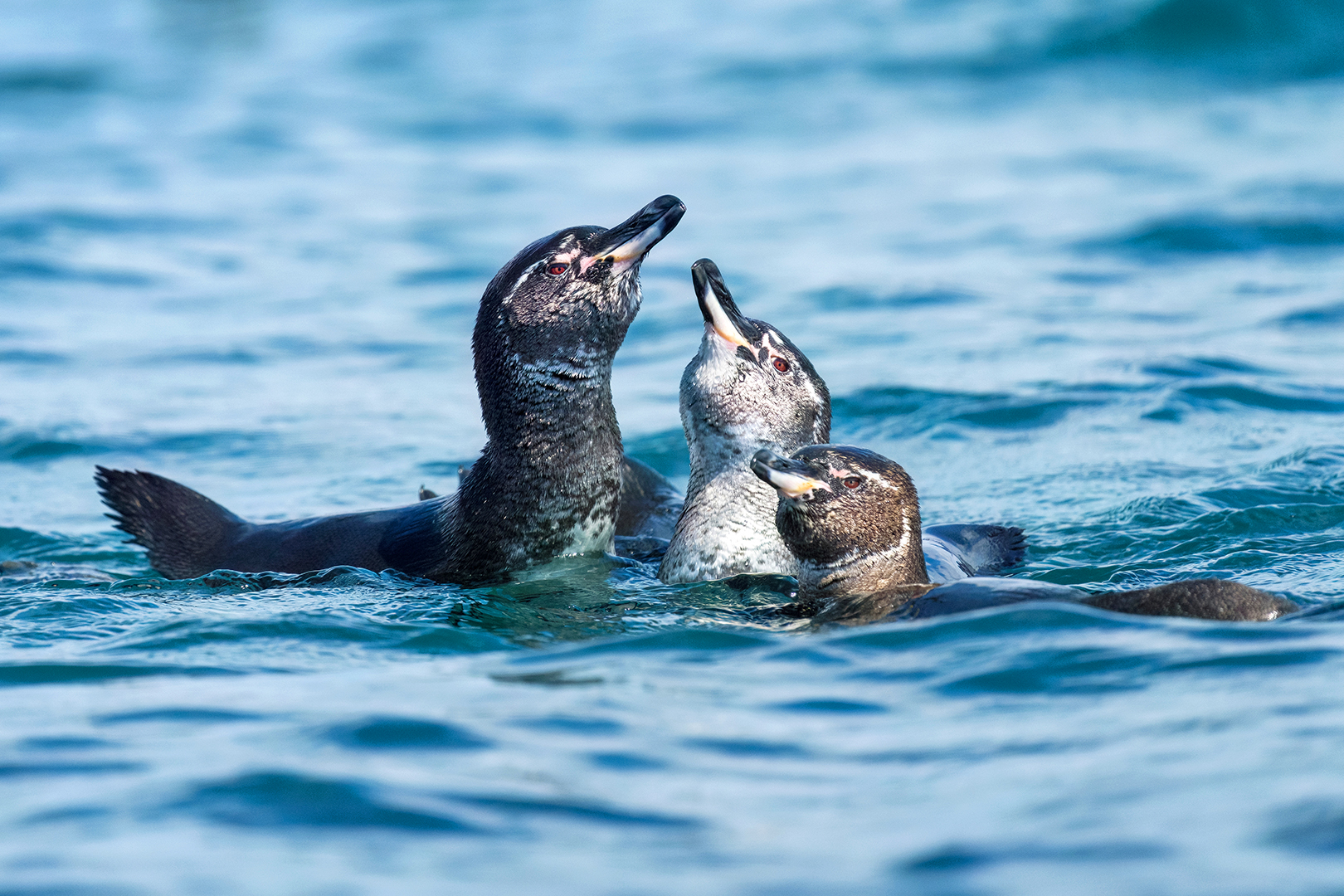
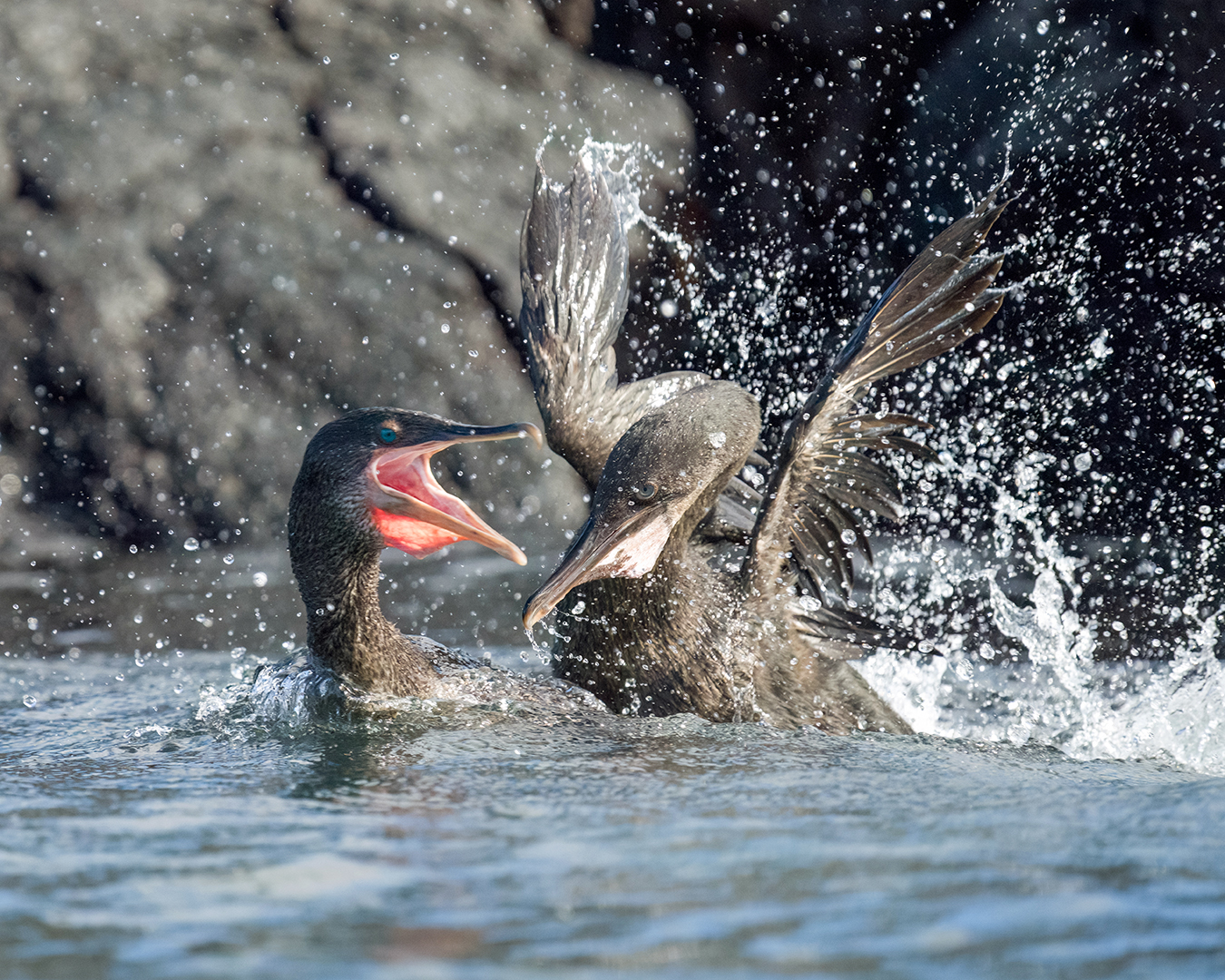
Snorkeling in the Galapagos is always a highlight. Nowhere else in the world can you spin in circles with sea lions, surround yourself with sea turtles, watch a marine iguana feeding on algae underwater, track a flightless cormorant as it catches and eats a fish, be surprised by a penguin shooting through the water like a torpedo, marvel at a group of rays gliding silently by, and suppress an involuntary gulp as a shark skims the ocean floor below you – all in the same day.
Interacting with sea lions is endlessly entertaining to me. I’ve learned some of the techniques that might make them more likely to play (e.g., showing off your own underwater acrobatics, blowing bubbles) but you still have to be lucky enough to find a sea lion in the right mood. And as we snorkeled off the coasts of Isabela and Fernandina, lots of sea lions were in the right mood.
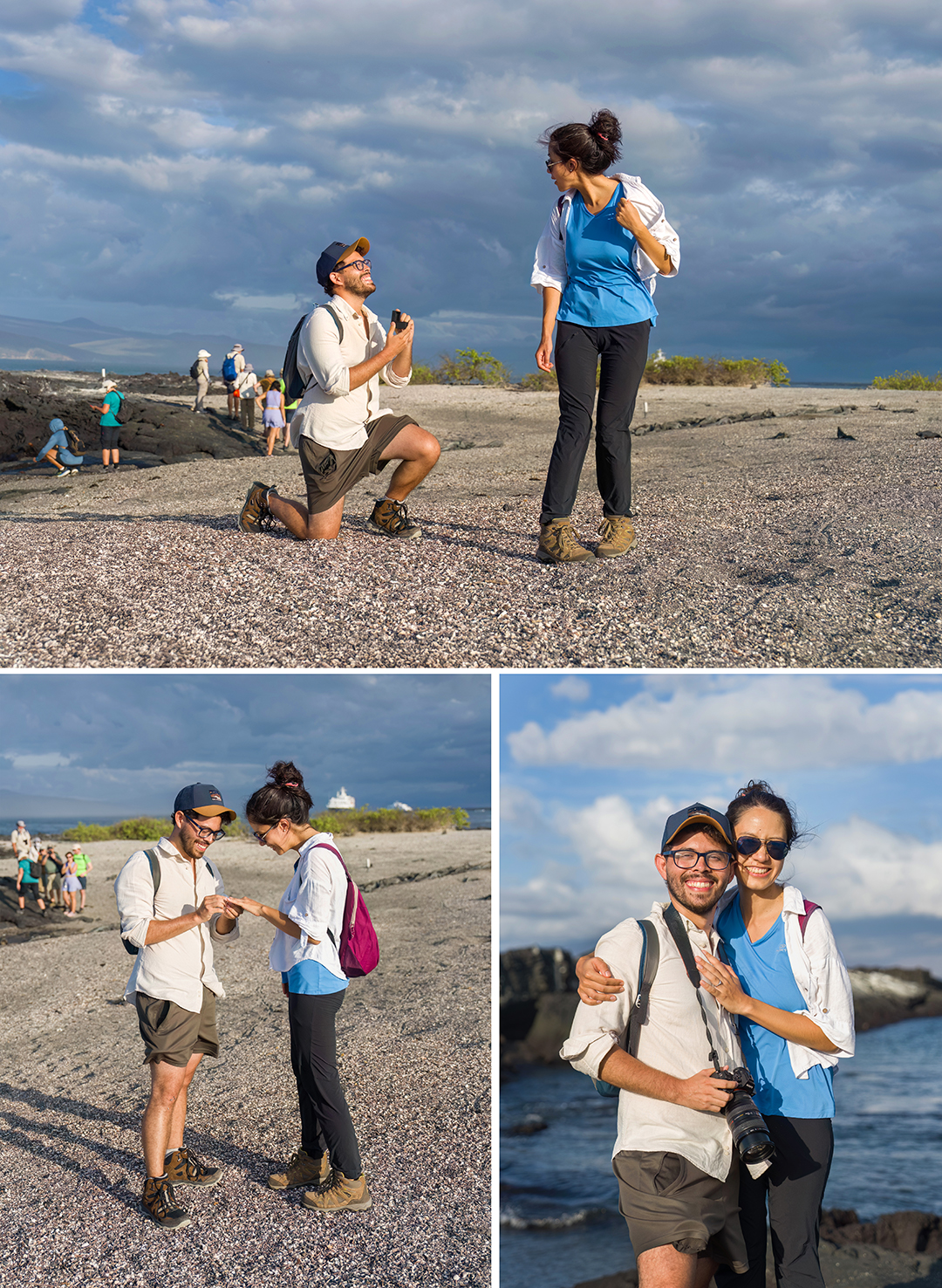
One afternoon Nico, the Chilean who was traveling with his Ecuadorian girlfriend Majo, pulled me aside to ask a favor. “I’m going to propose to Majo on this trip,” he confided, “and I need photographer.” I told him I’d be honored, of course. Nico decided to pop the question at Espinosa Point on Fernandina (one of the absolute coolest visitor sites), and I did my best to capture the moment as he dropped down on one knee. She said yes.
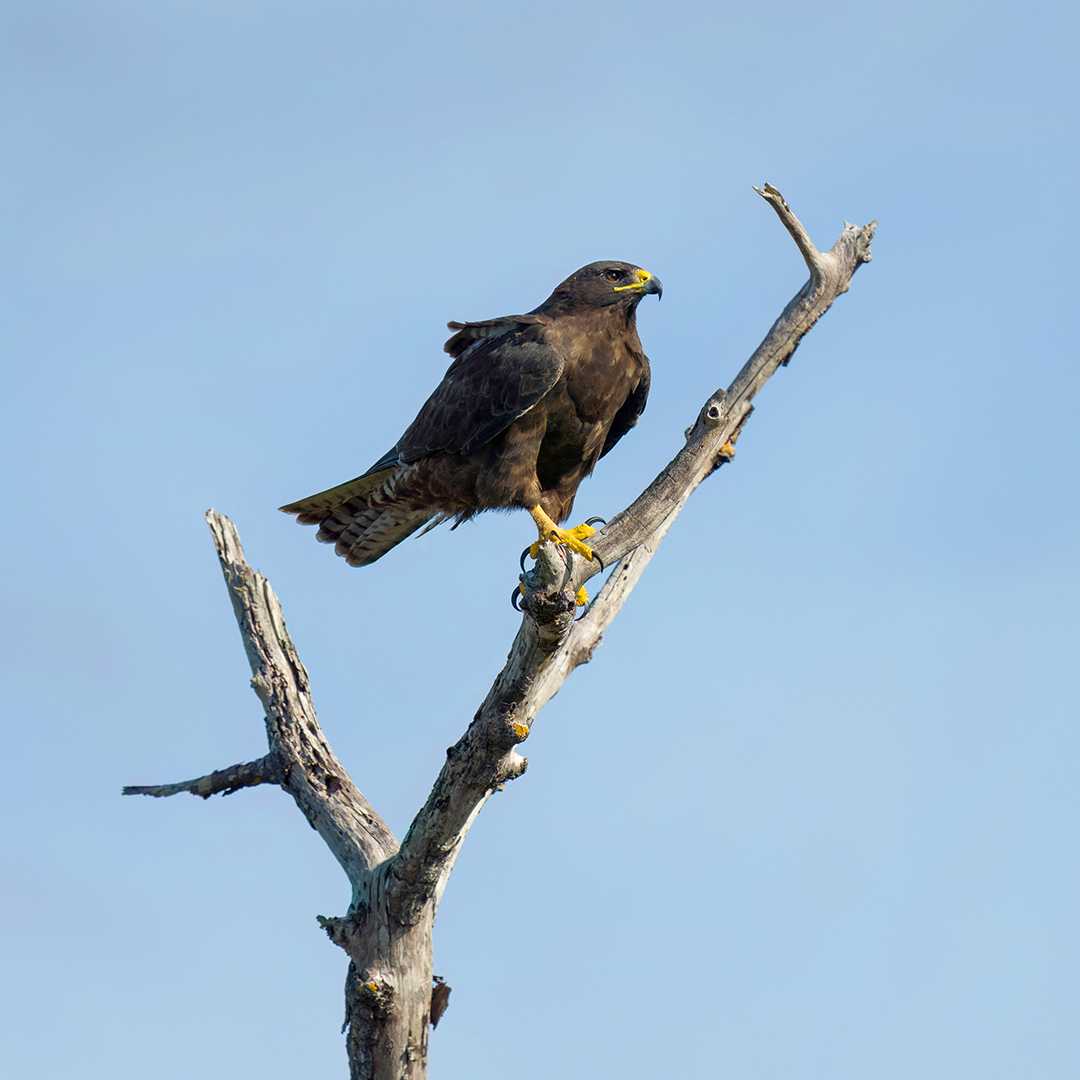
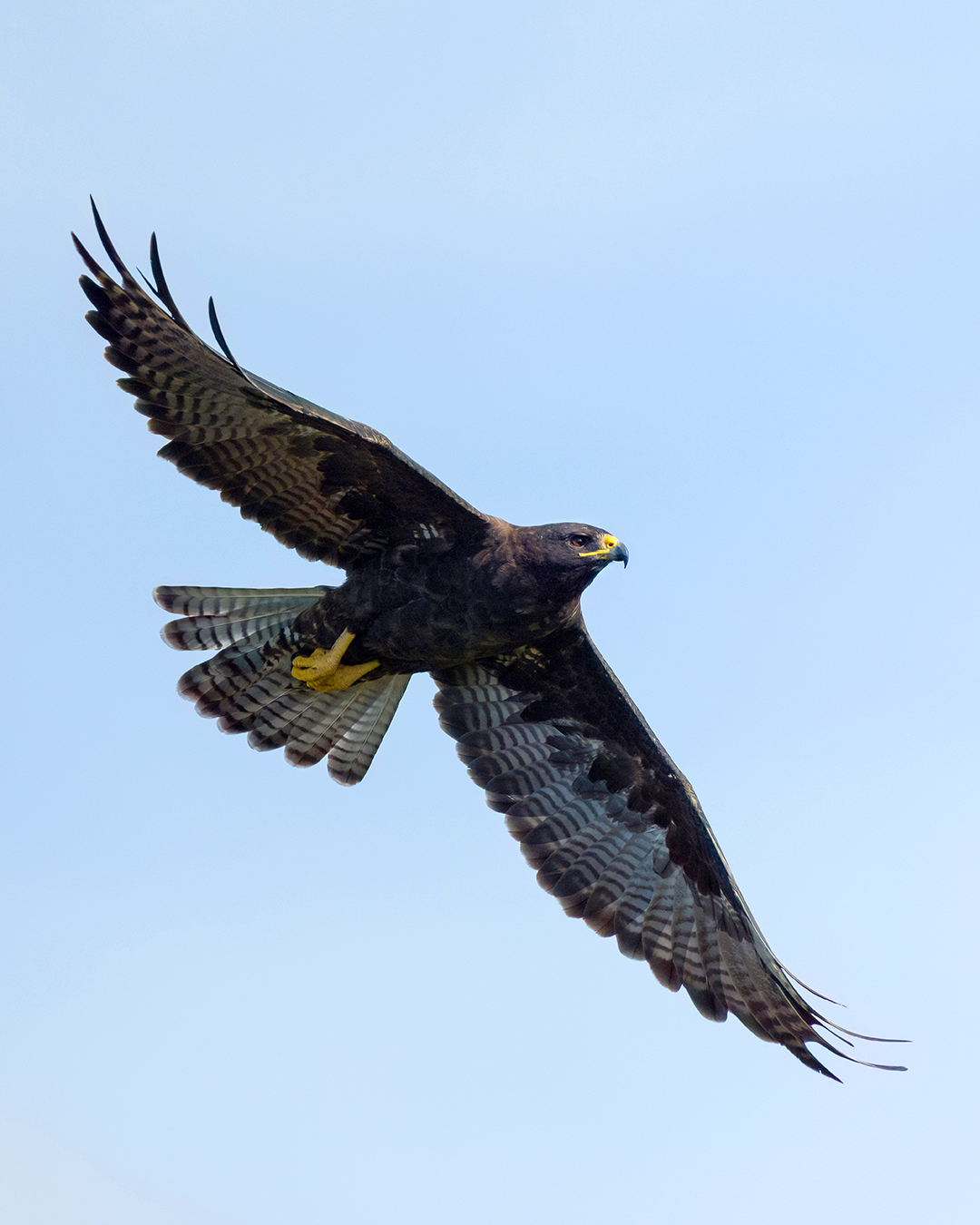
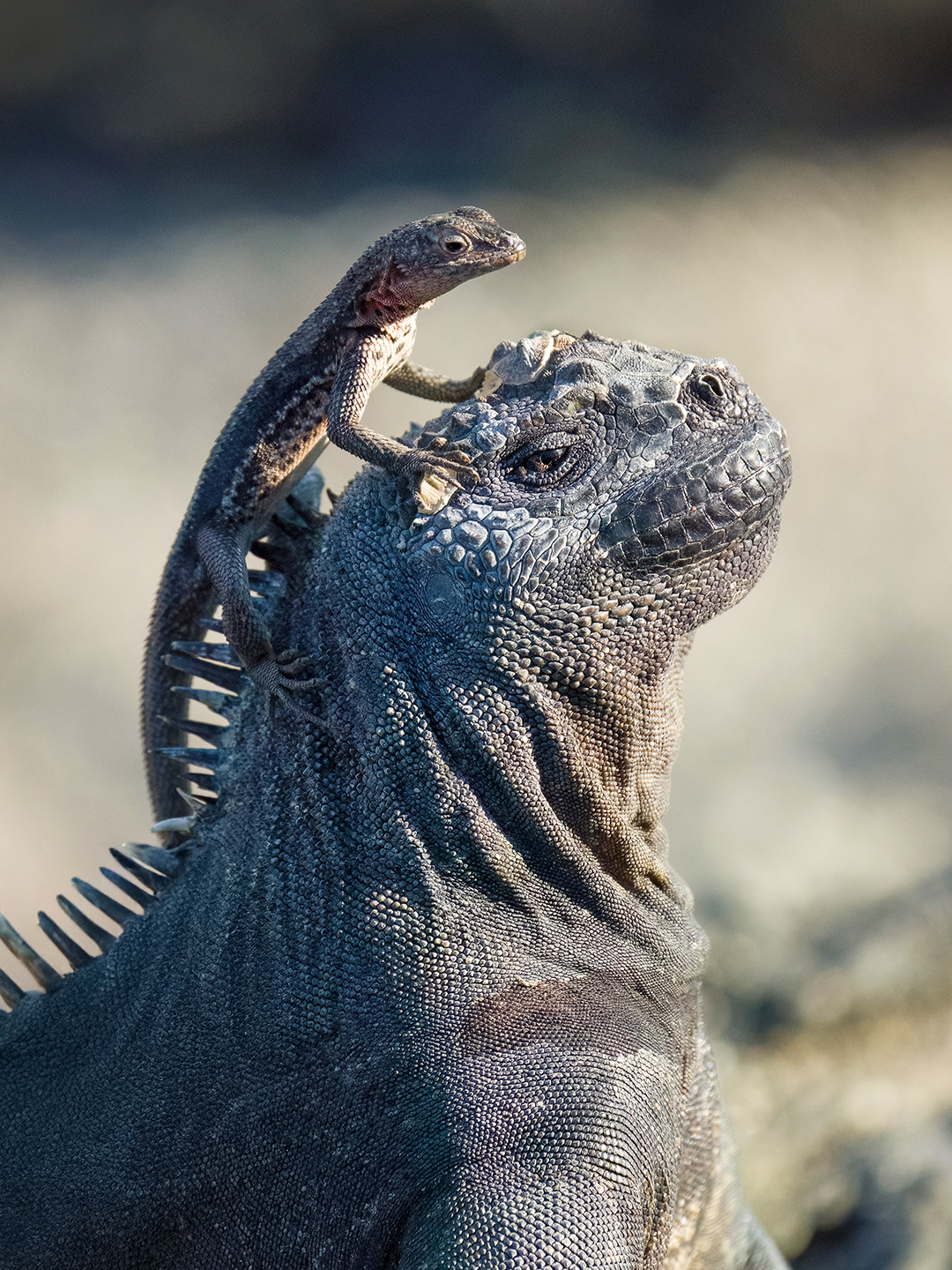
From Isabela and Fernandina we motored over to Santiago for visits to Egas Point, Espumilla Beach, and Buccaneer Cove.
At dinner that night, Anne regaled me and Beth with story about a pet shop she used to own in a small Australian town. Apparently the shop had a cockatoo mascot named Billy that was a longtime community favorite, and one day a guy came in with a Great Dane that suddenly lunged at Billy and ate him in one bite. “Oh Billy!” Anne wailed, imitating the horrified customers in the store. “He ate poor Billy!” Another reason Galapagos boat tours are the best: where else can you hear someone act out the story of a beloved Australian cockatoo’s murder while you’re floating on the equator?
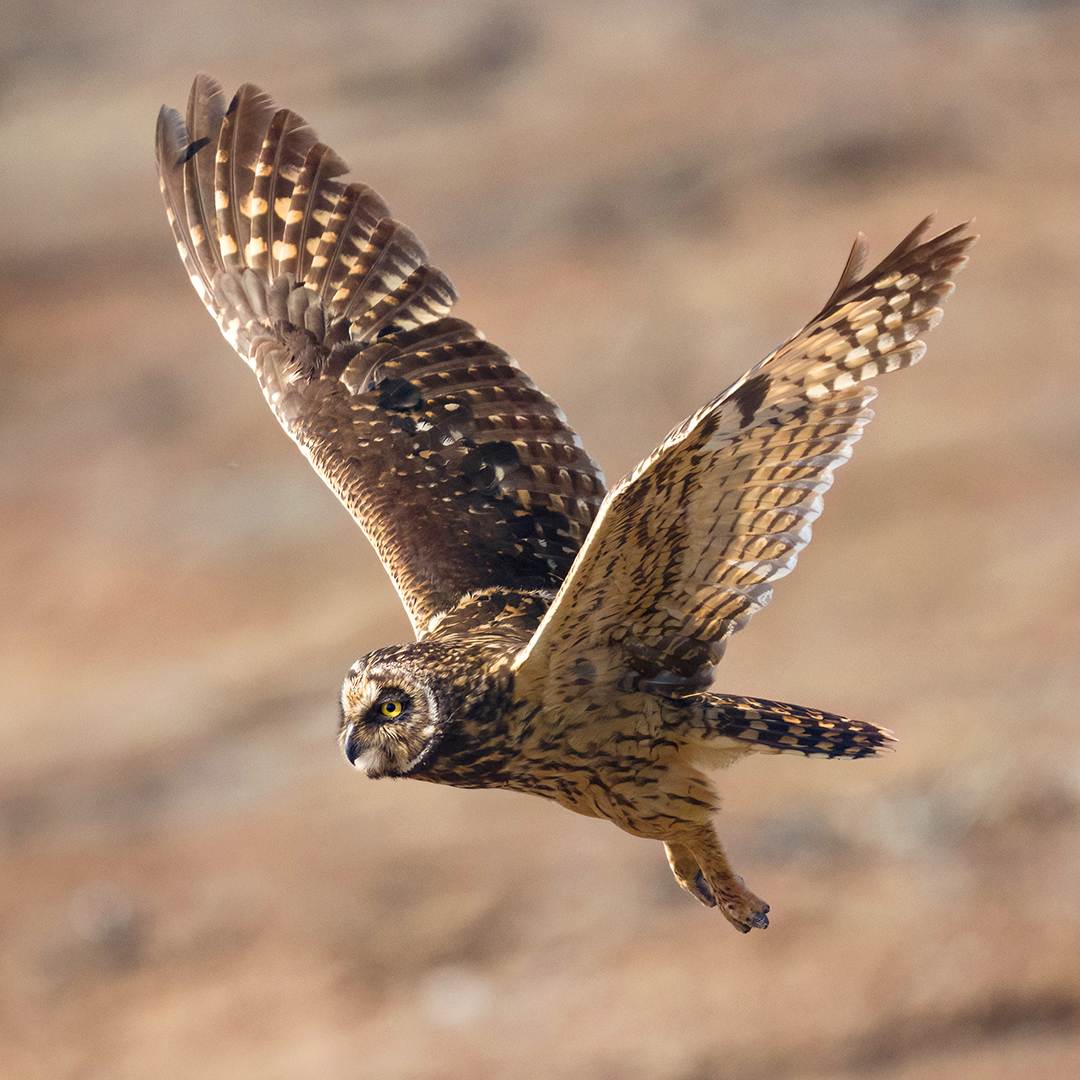
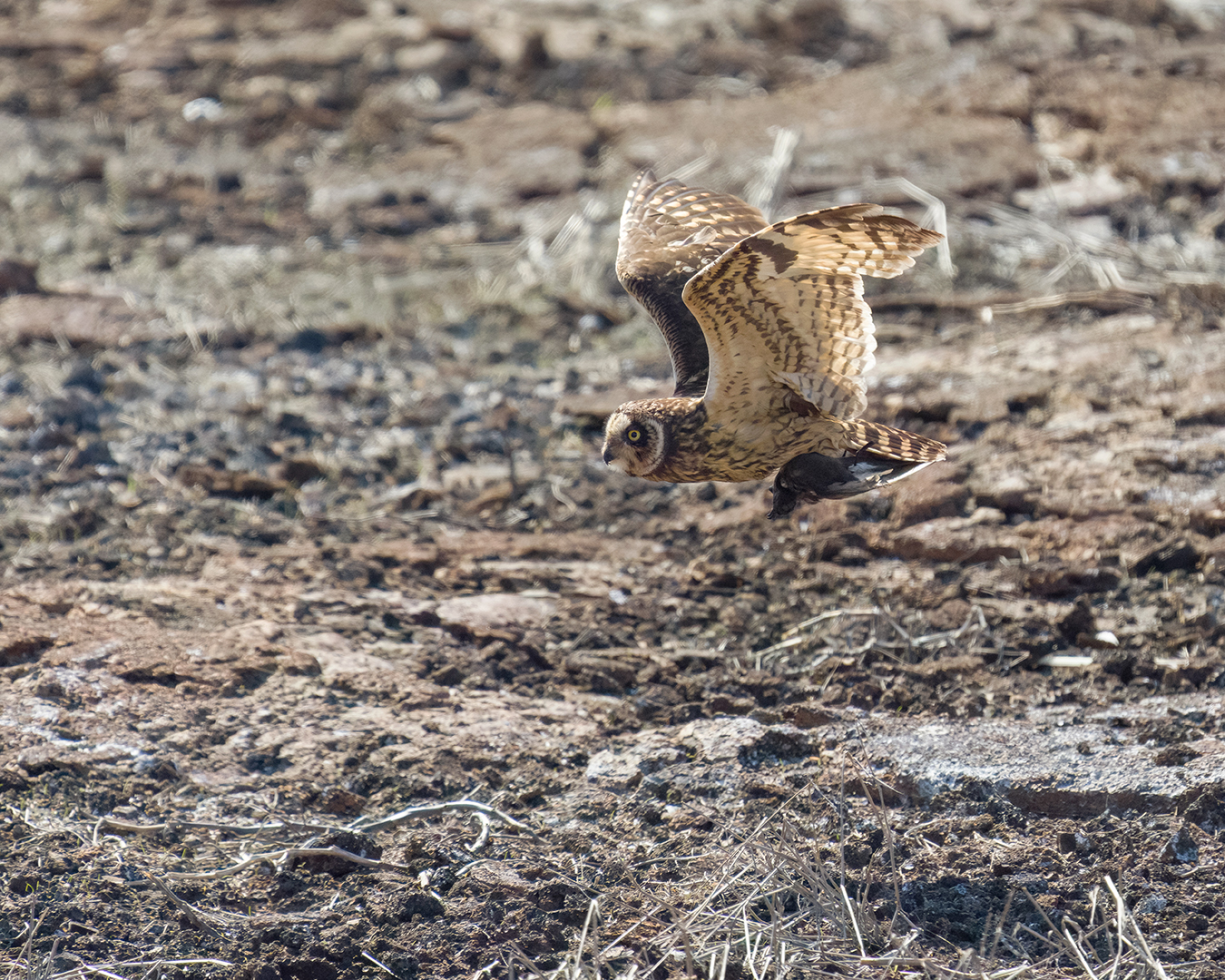
The next morning we arrived at Genovesa, a birder’s paradise. Notably for me, the visitor site at El Barranco (aka Prince Philip’s Steps) is the best place to spot the Galapagos short-eared owl. I’d seen owls there on previous visits, but I’d never managed to get a photo of one flying. And, as I told Carmen and anyone else who’d listen, getting an in-flight shot of a short-eared owl was at the very top of my photographic wish list for this trip.
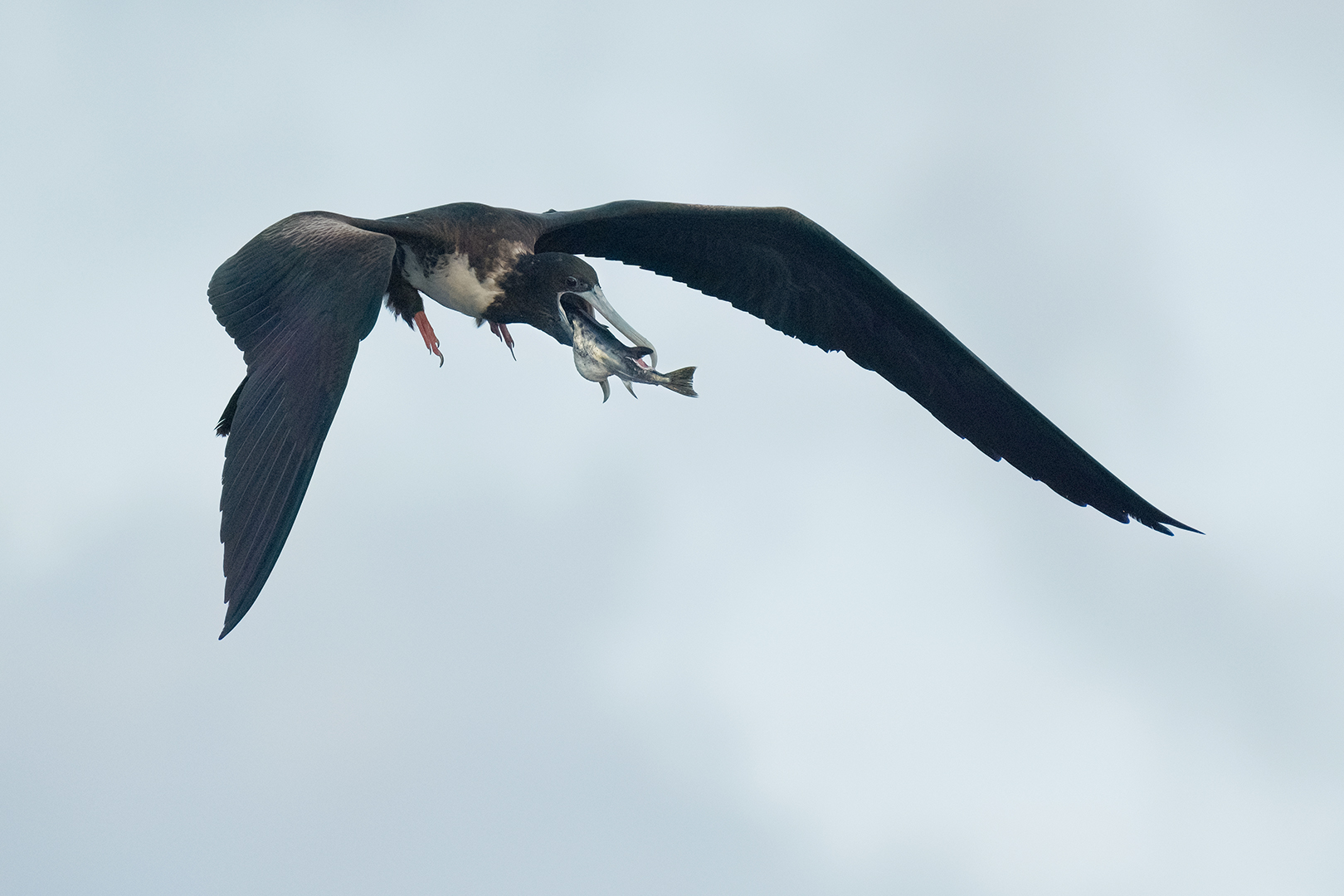
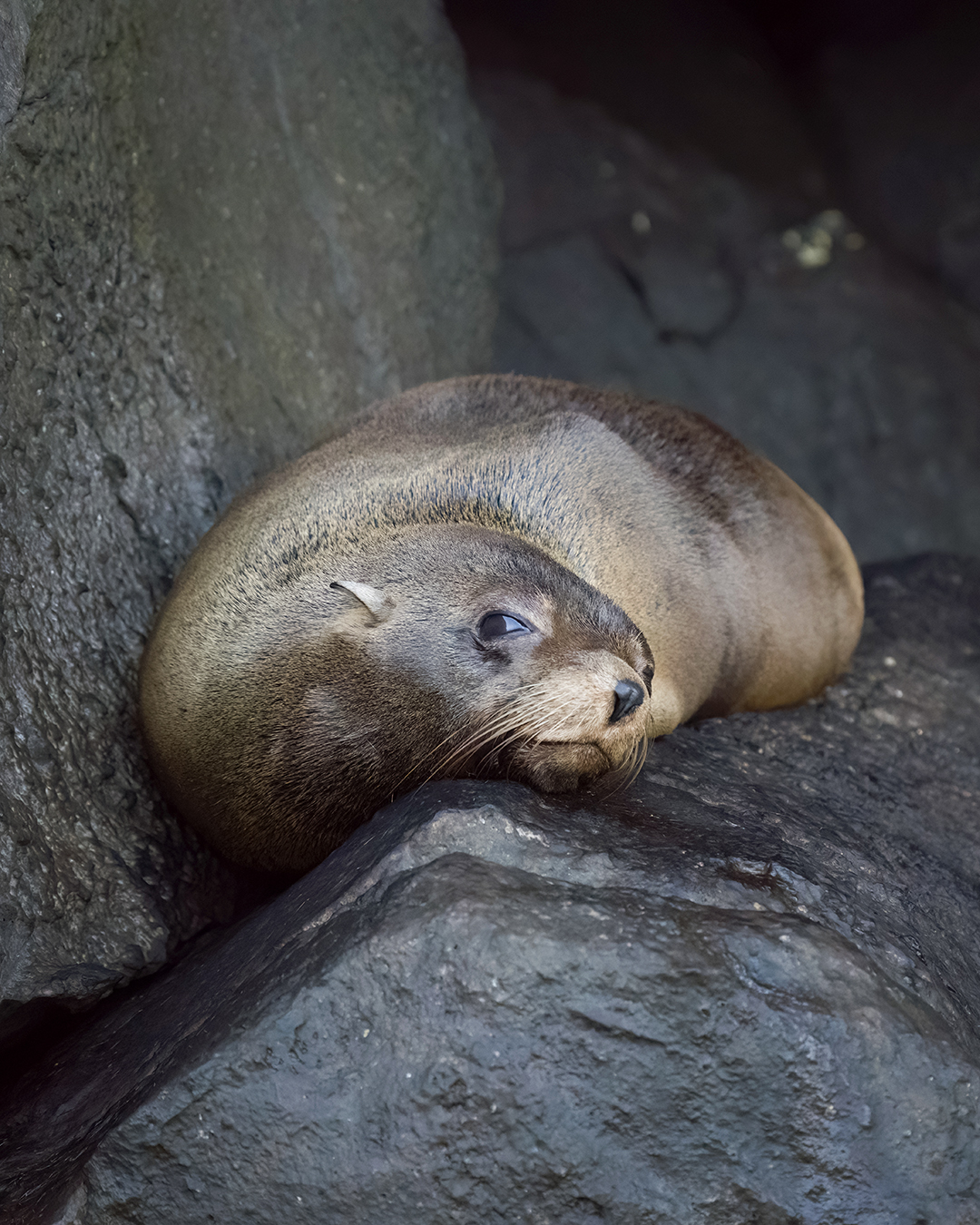
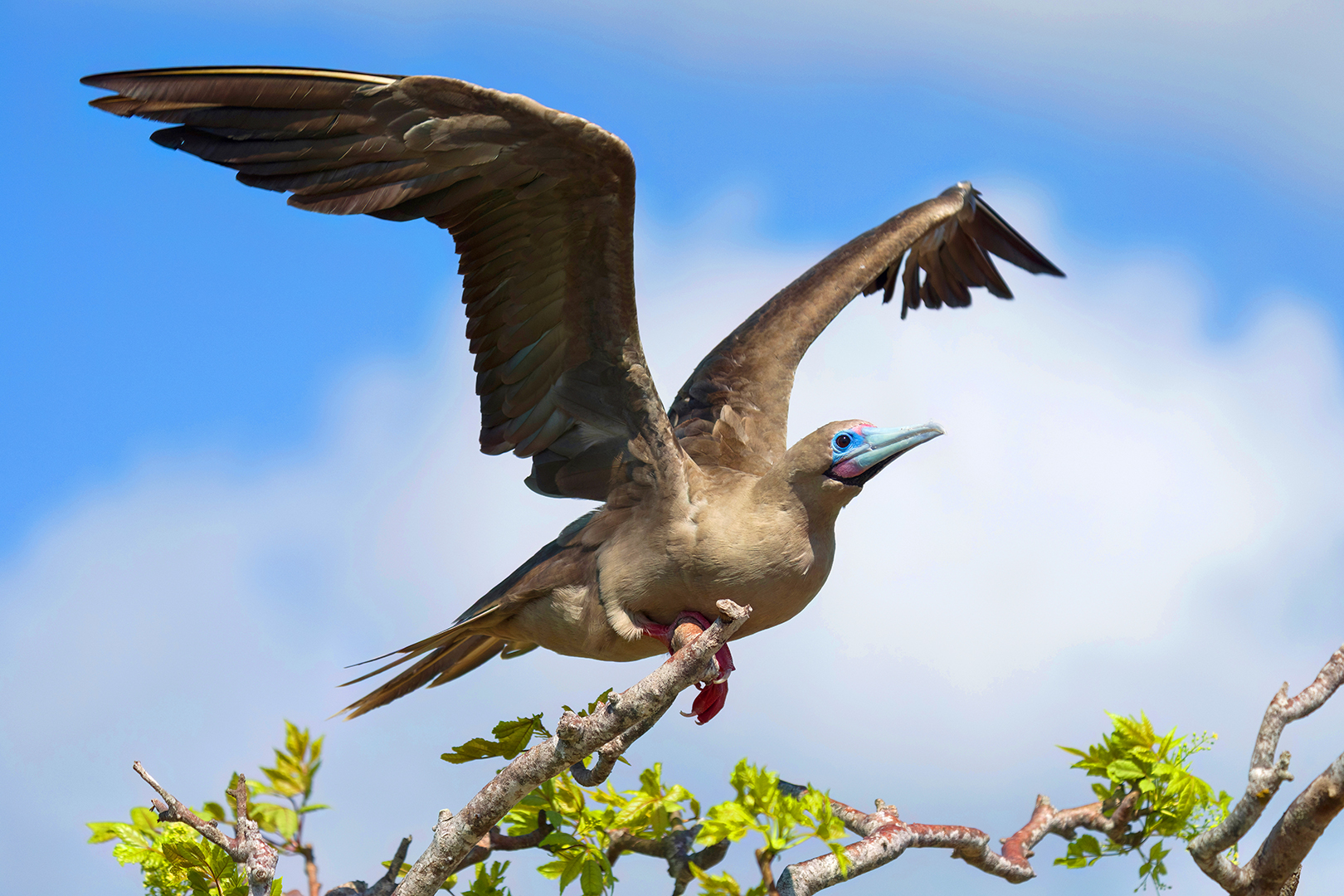
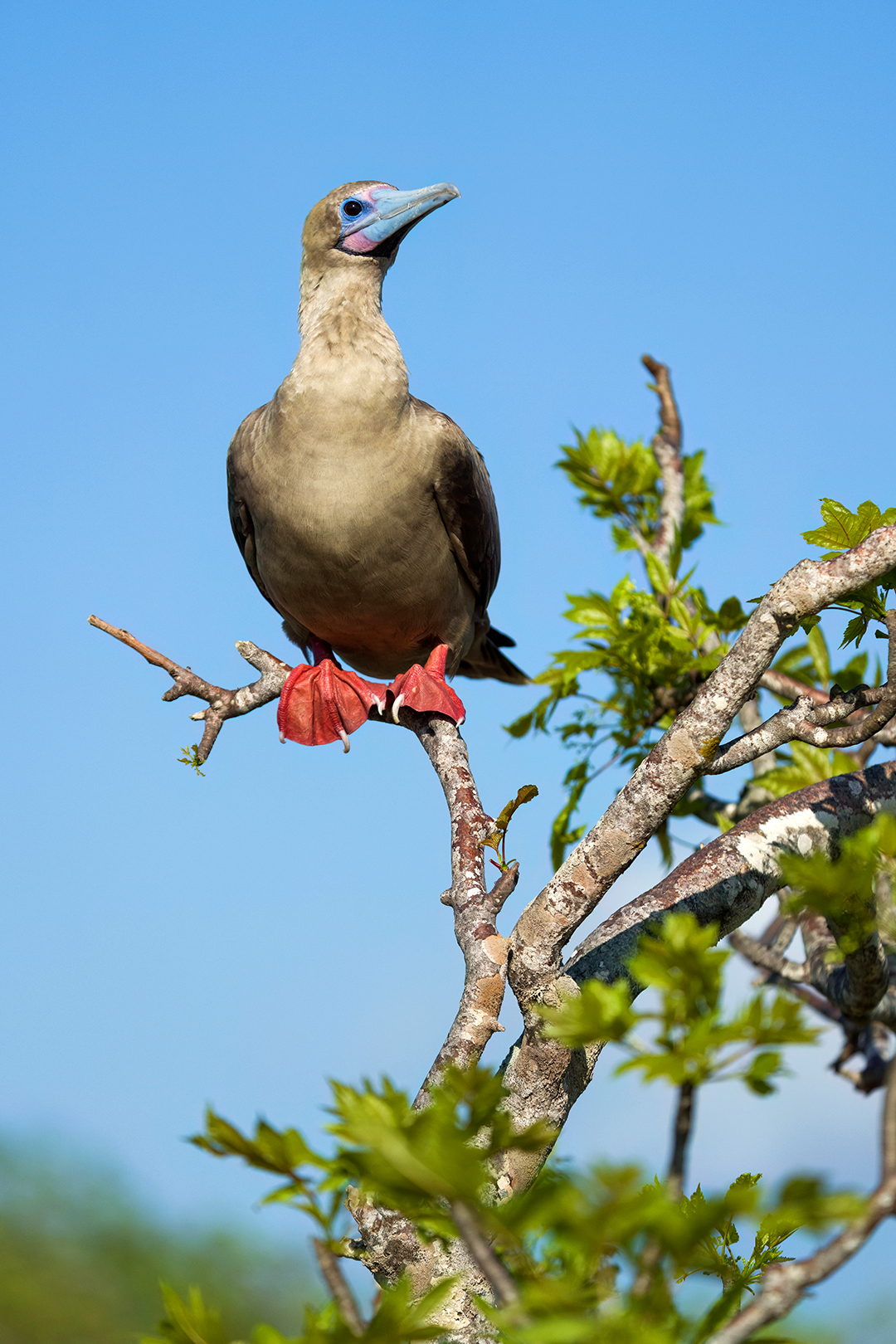
As we approached the cliffside strip of lava rocks where the owls hang out, Carmen kept stopping to deliver interminable speeches about the new buds appearing on the island’s trees. Park rules required us to stay with the group, so I was stuck. “Carmen is killing me,” I whispered to Wolfgang. Sometimes guides have to stall to avoid running into another group, but there was nobody ahead of us. I knew we’d get to the cliffs eventually, but even having just a few extra minutes there could have increased our chances of catching an owl in flight. Visitors are restricted to a narrow trail that runs parallel to the lava rocks, so you’re basically just at the mercy of whatever the owls happen to be doing during the brief window you’re there.
Finally, after what felt like an eternity, we reached the strip of lava rocks. As Carmen began another lecture, I spotted a short-eared owl perched out in the open, not close but not too far. I hurried into position, got a bead on the owl, and waited with my finger tensed on the shutter, telepathically begging the owl to take flight. Which it did! I fired off my shots and hoped I didn’t screw anything up.
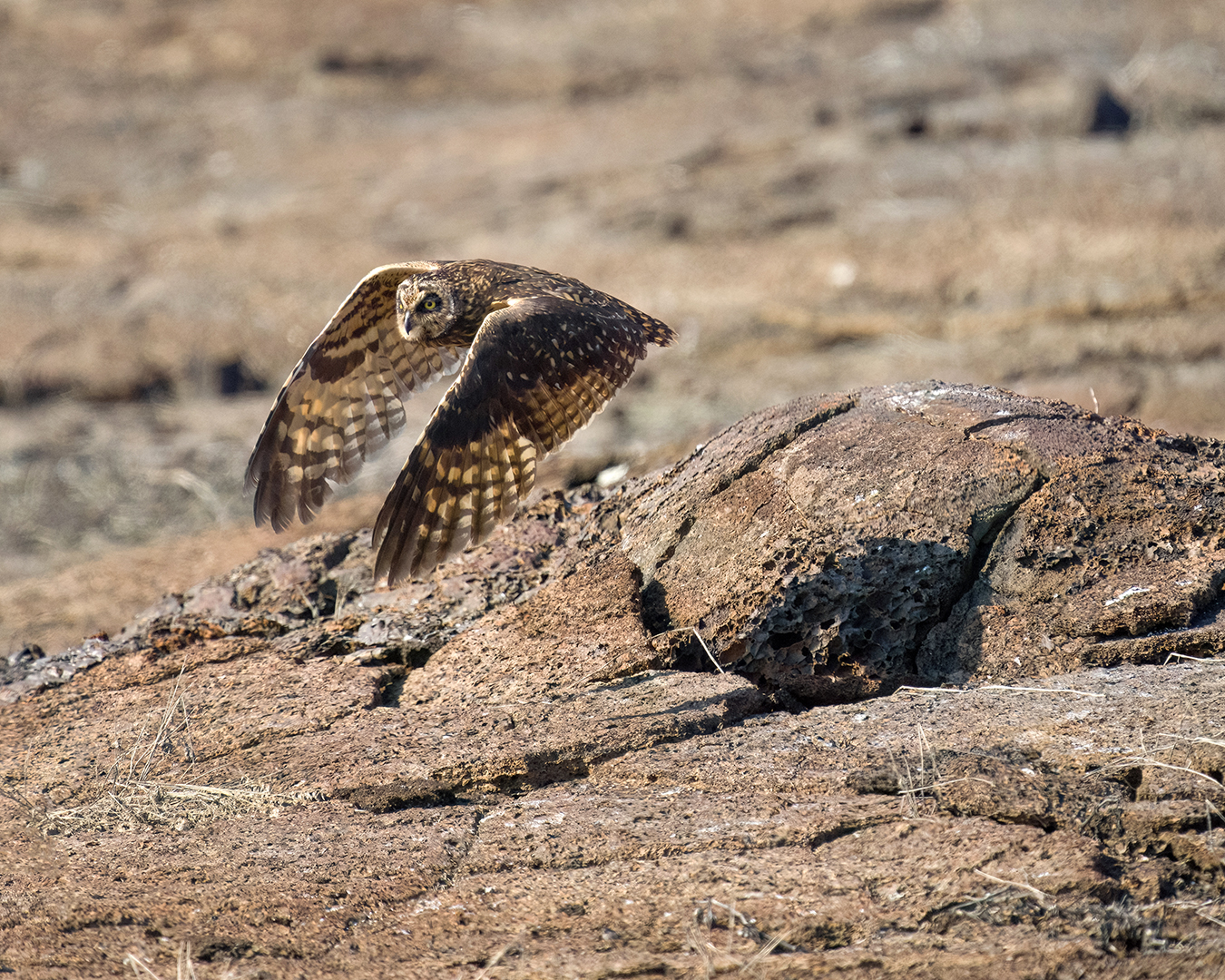
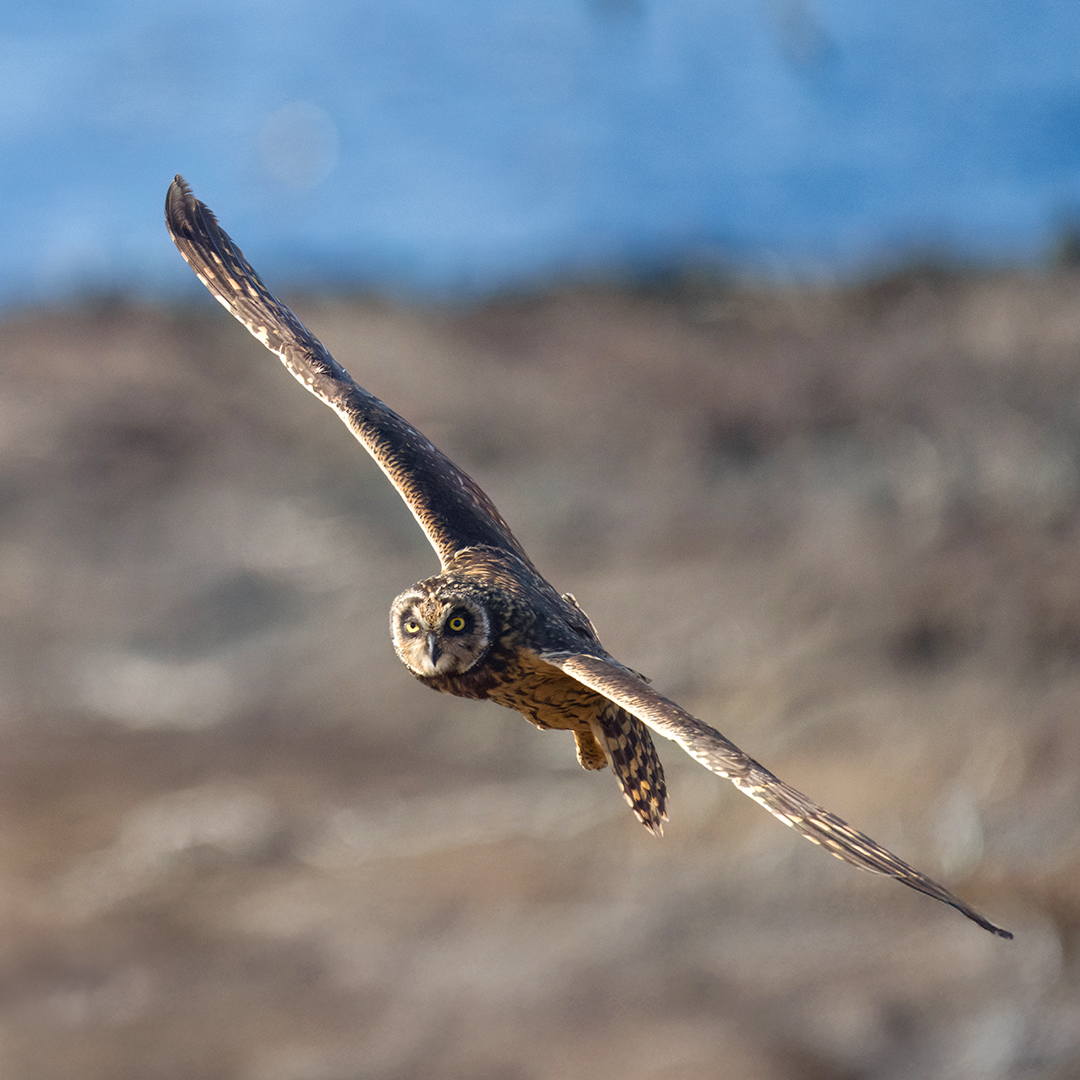
The owl briefly interacted with another owl behind a rock – its mate, according to Carmen – and then landed again, closer this time. I repositioned, waited, and couldn’t believe my luck when the owl treated us to a second – even better! – fly by.
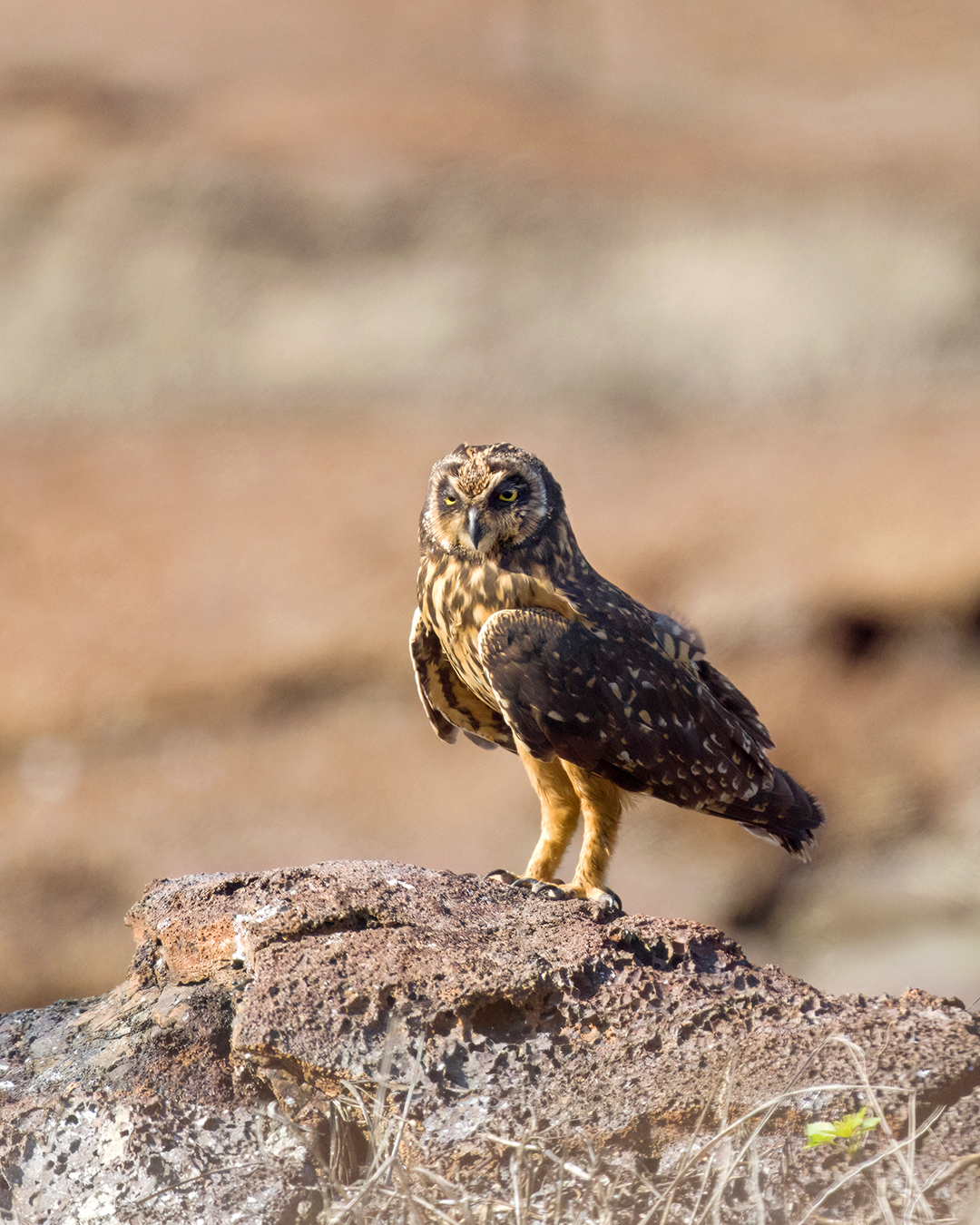
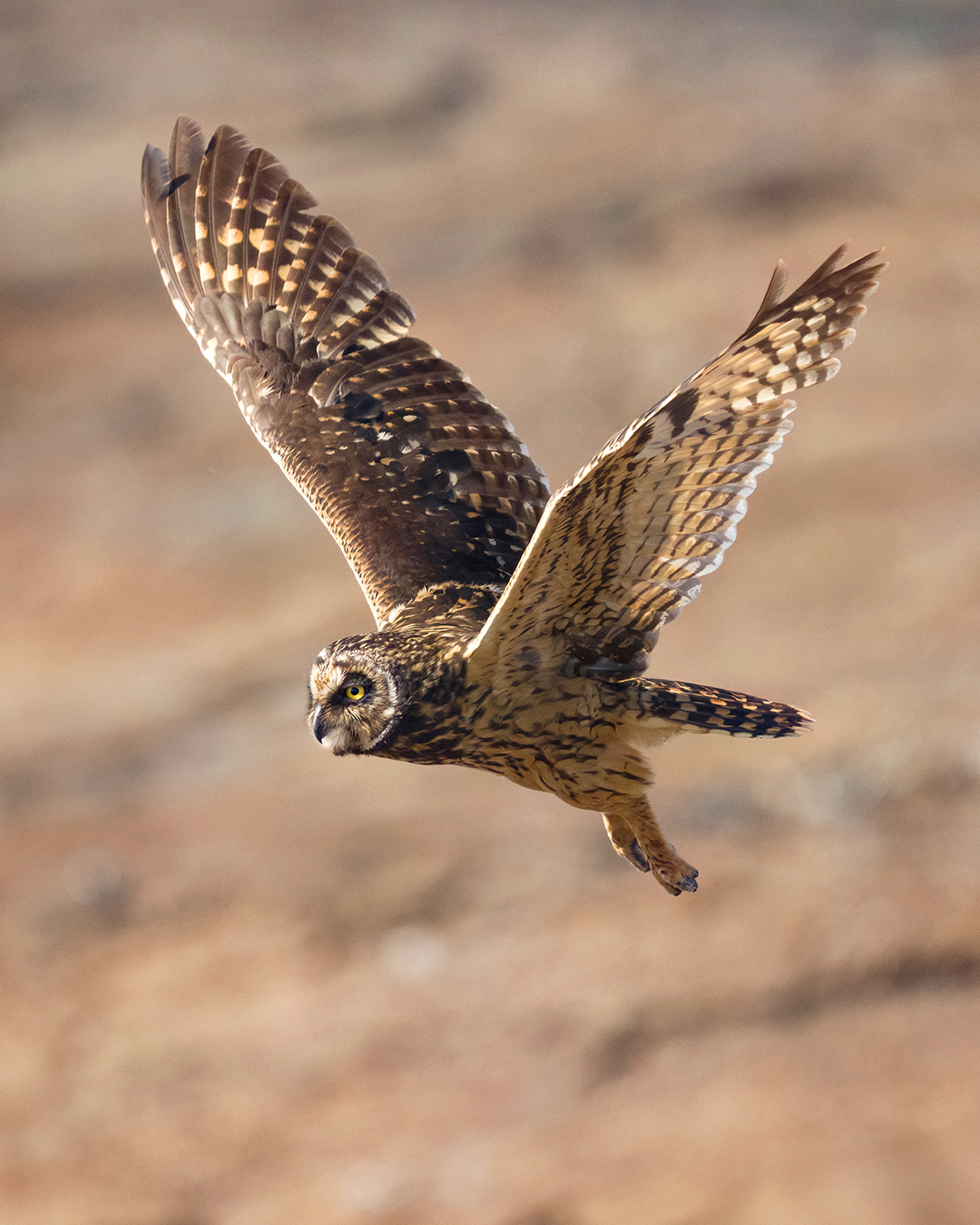
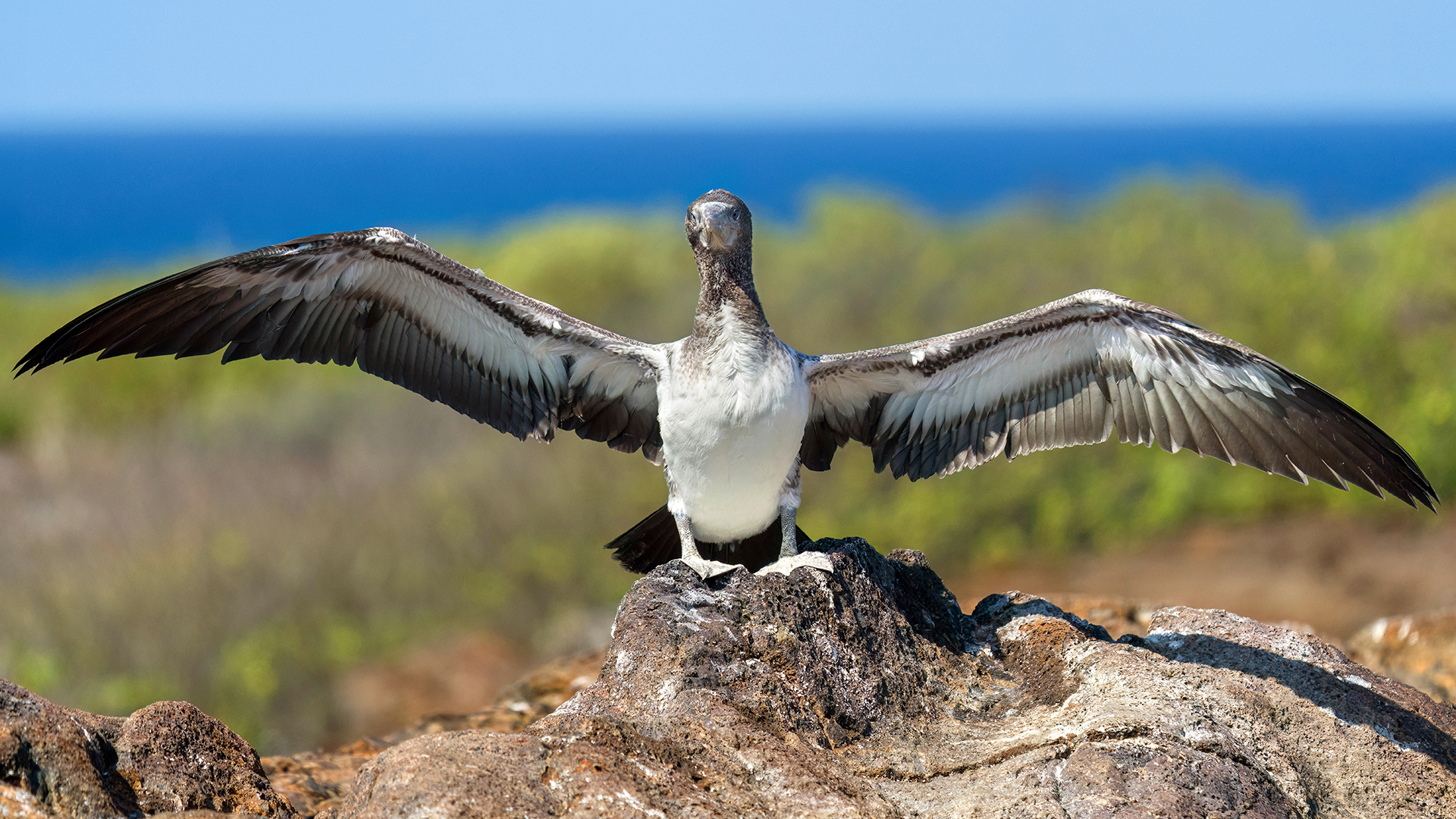
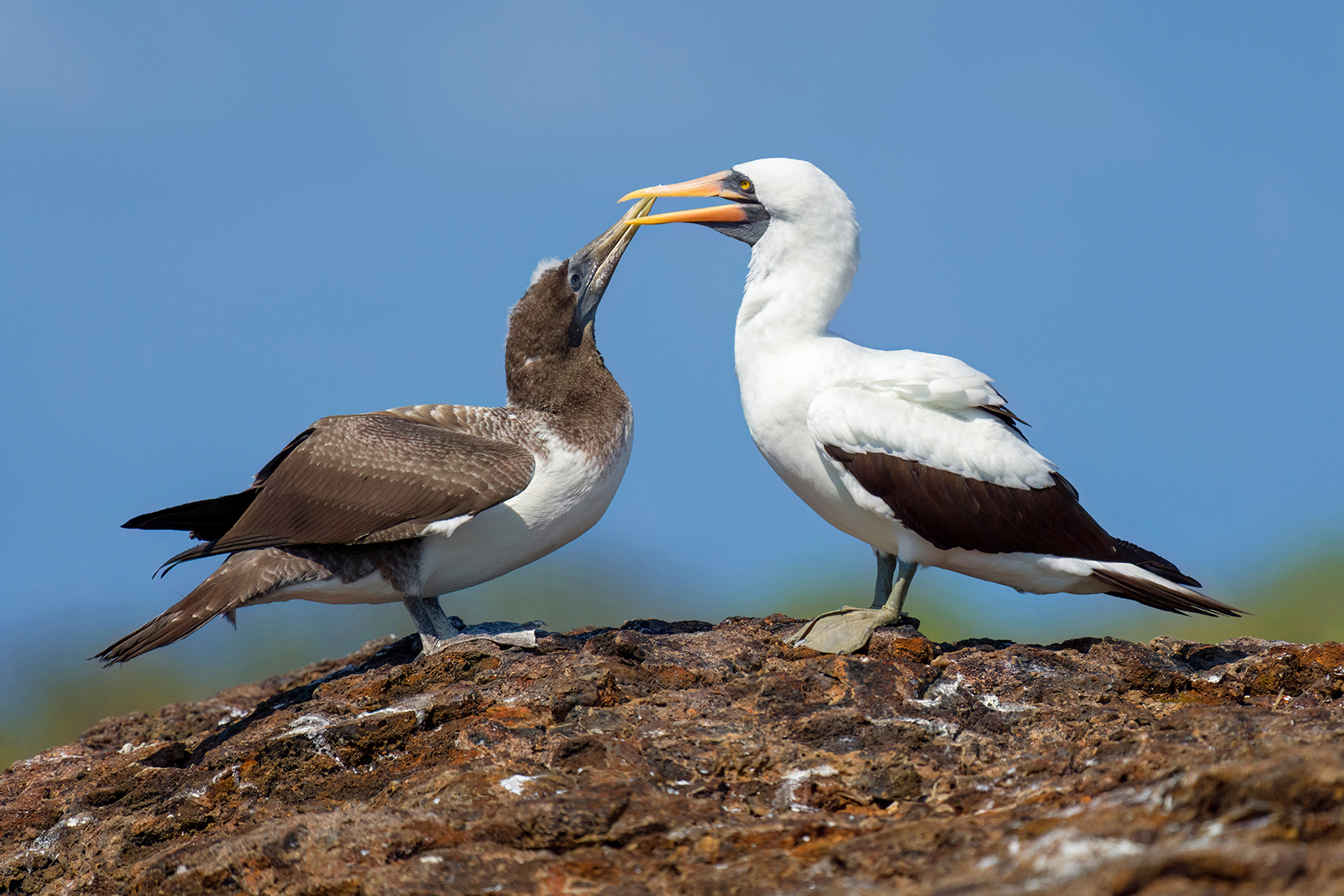
All too soon it was time to leave, and as we reluctantly walked away Wolfgang and I saw an owl swoop over the trail behind us and land under a bush. The owl had something in its talons but vanished into the vegetation before we could get a better look. Later I saw in the few photos I managed to take that the owl was carrying a storm petrel (its primary prey on Genovesa) as it flew by, so I’m guessing it was ducking into the bush to enjoy its meal in private.
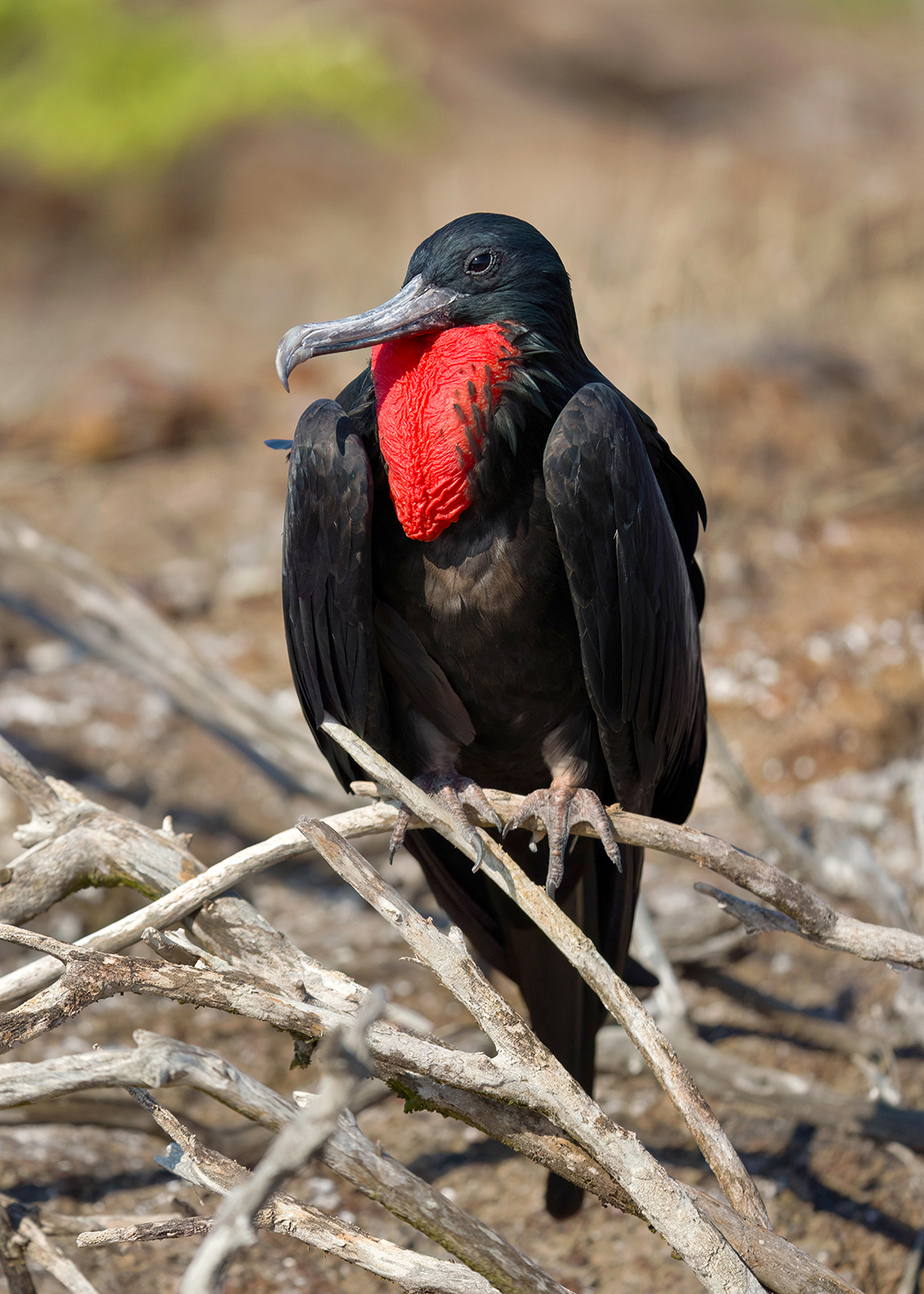
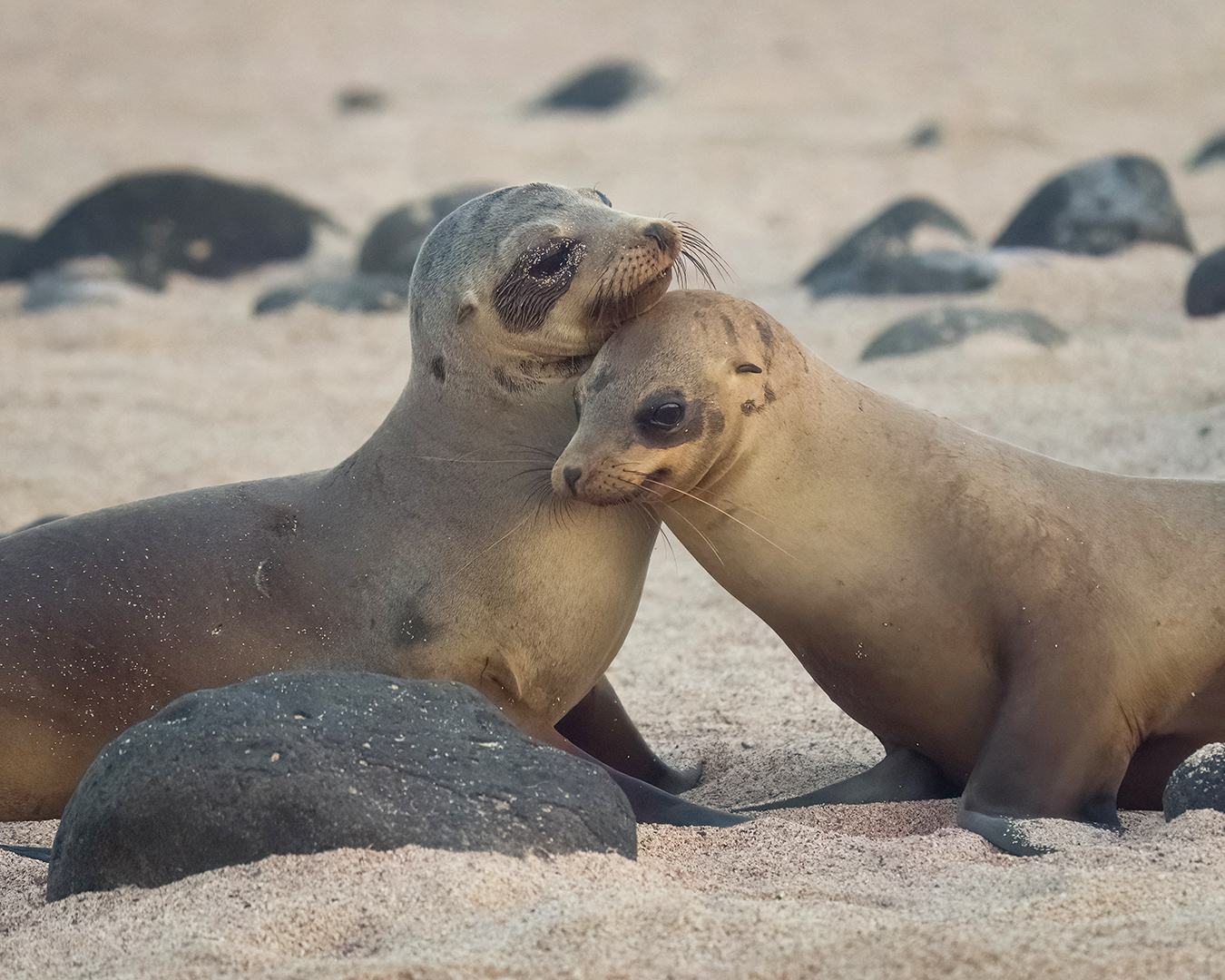
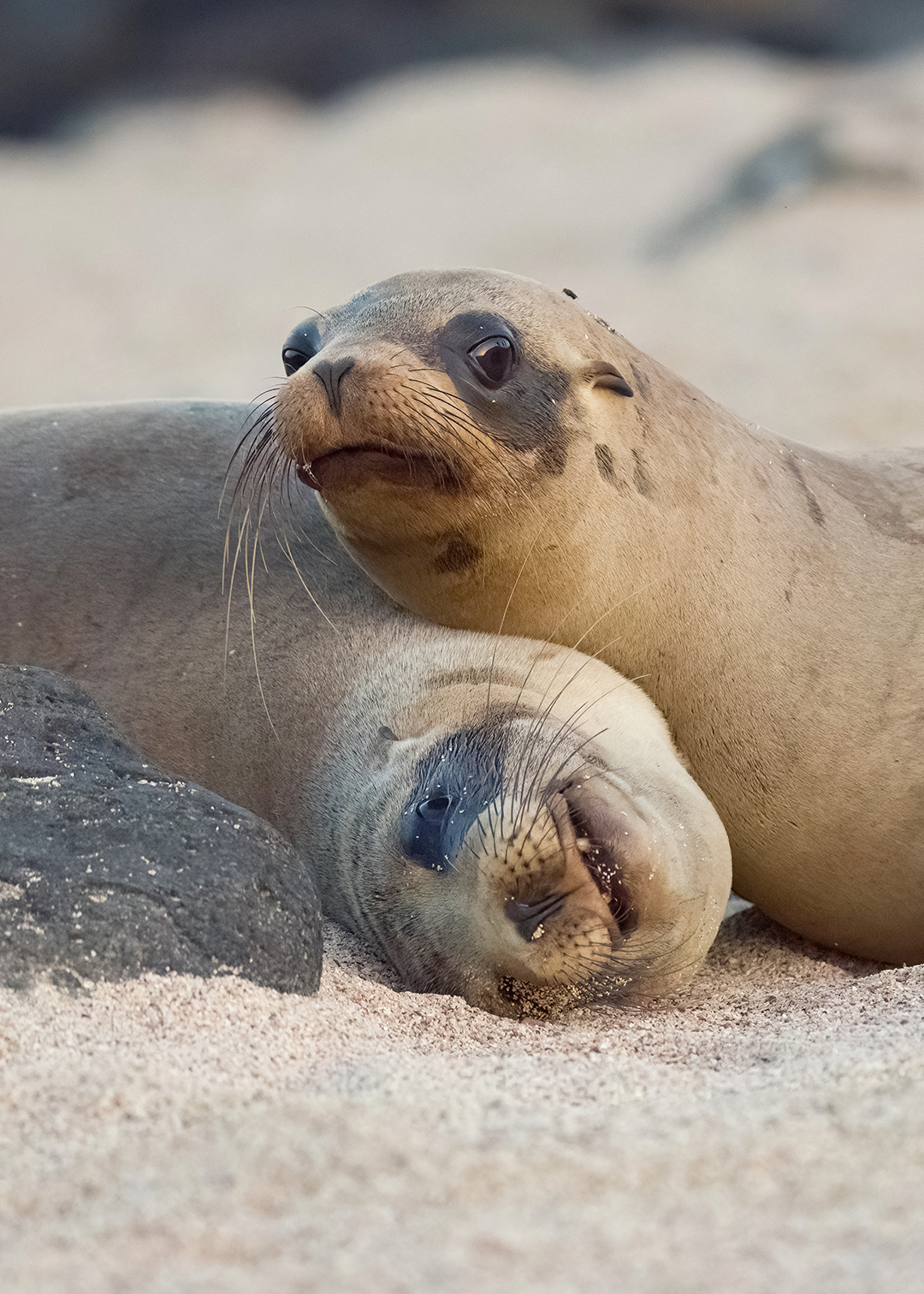
That afternoon we headed back to Genovesa for some time at Darwin Bay, where baby sea lions nursed on an idyllic beach and tropicbirds soared overhead.
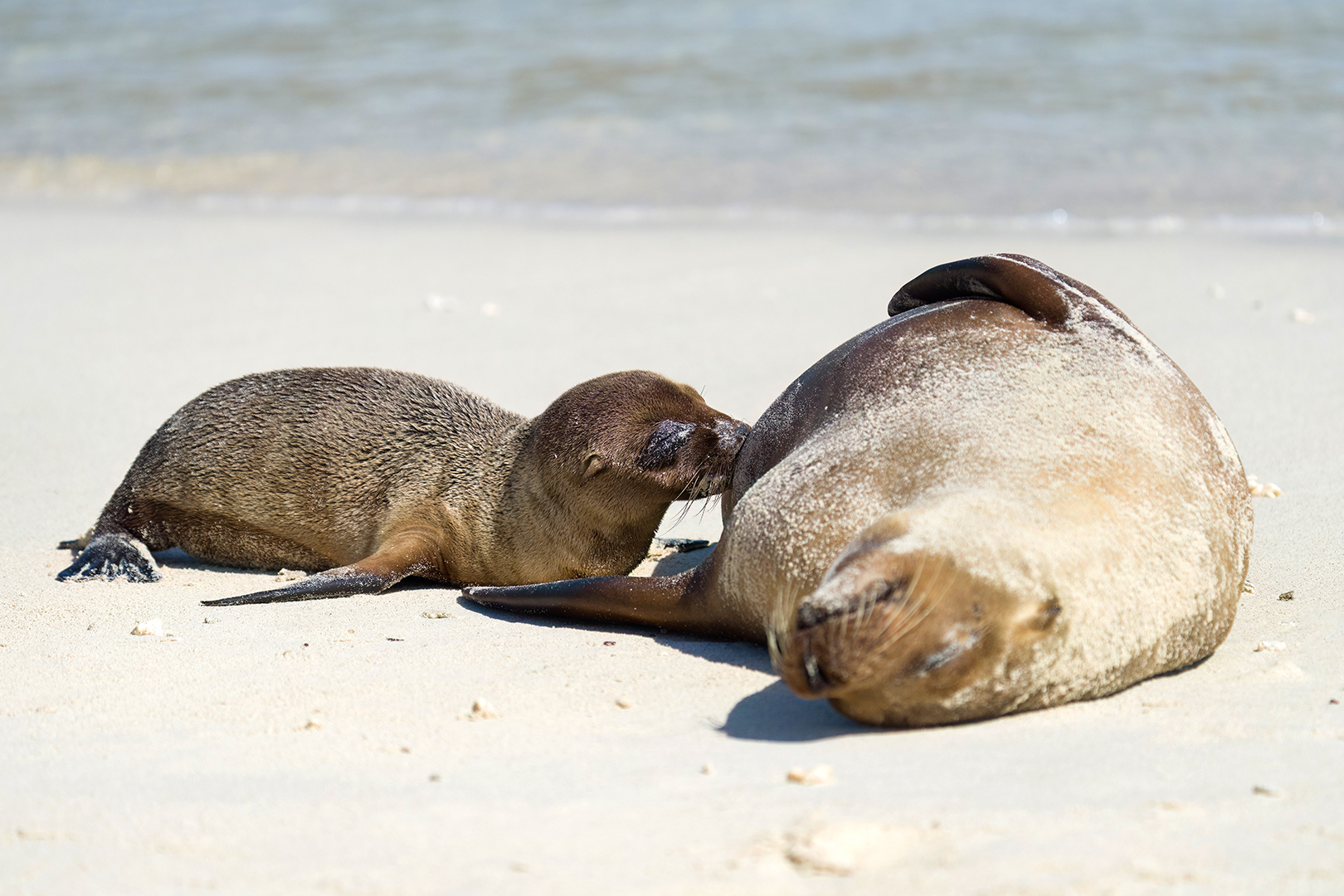
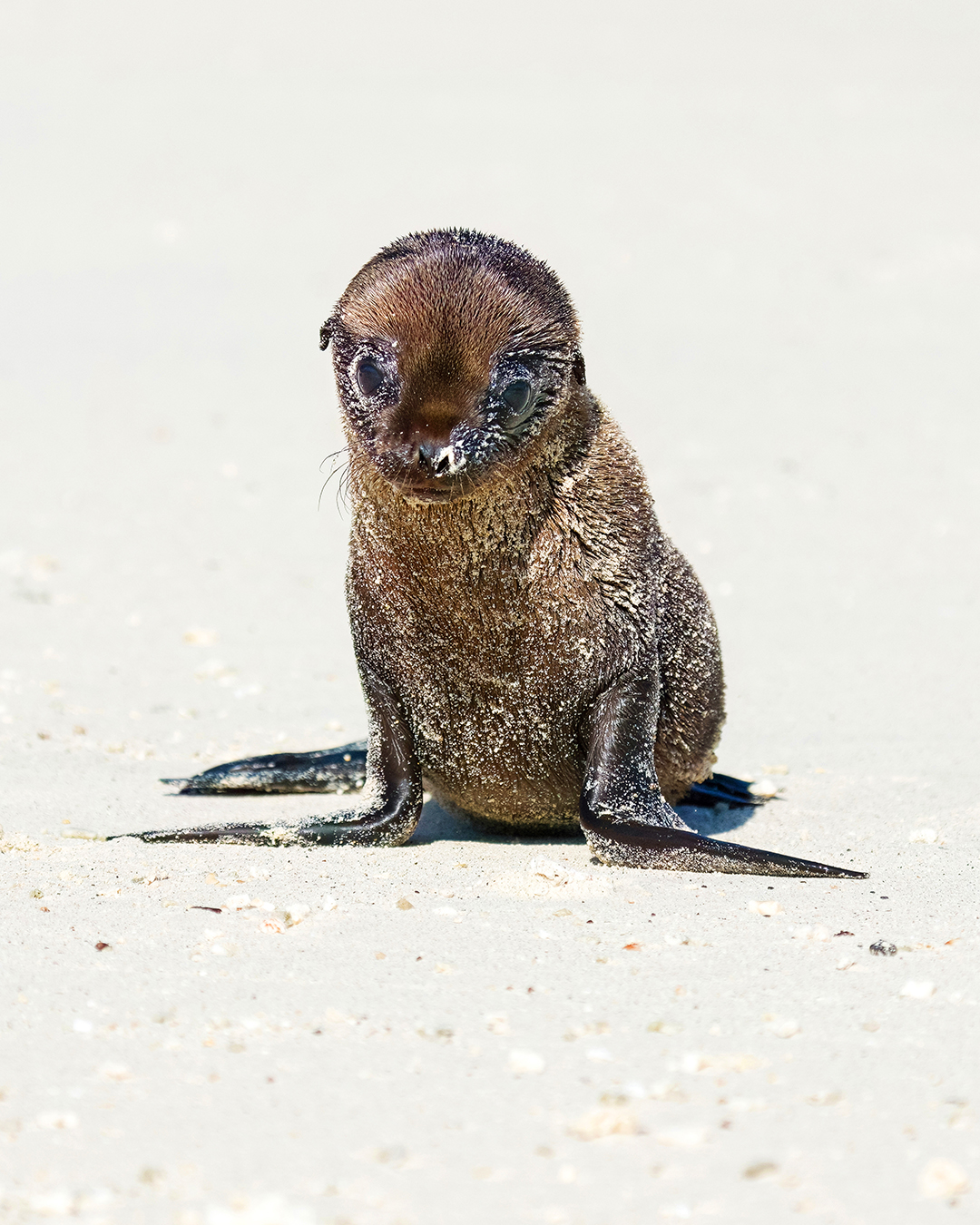
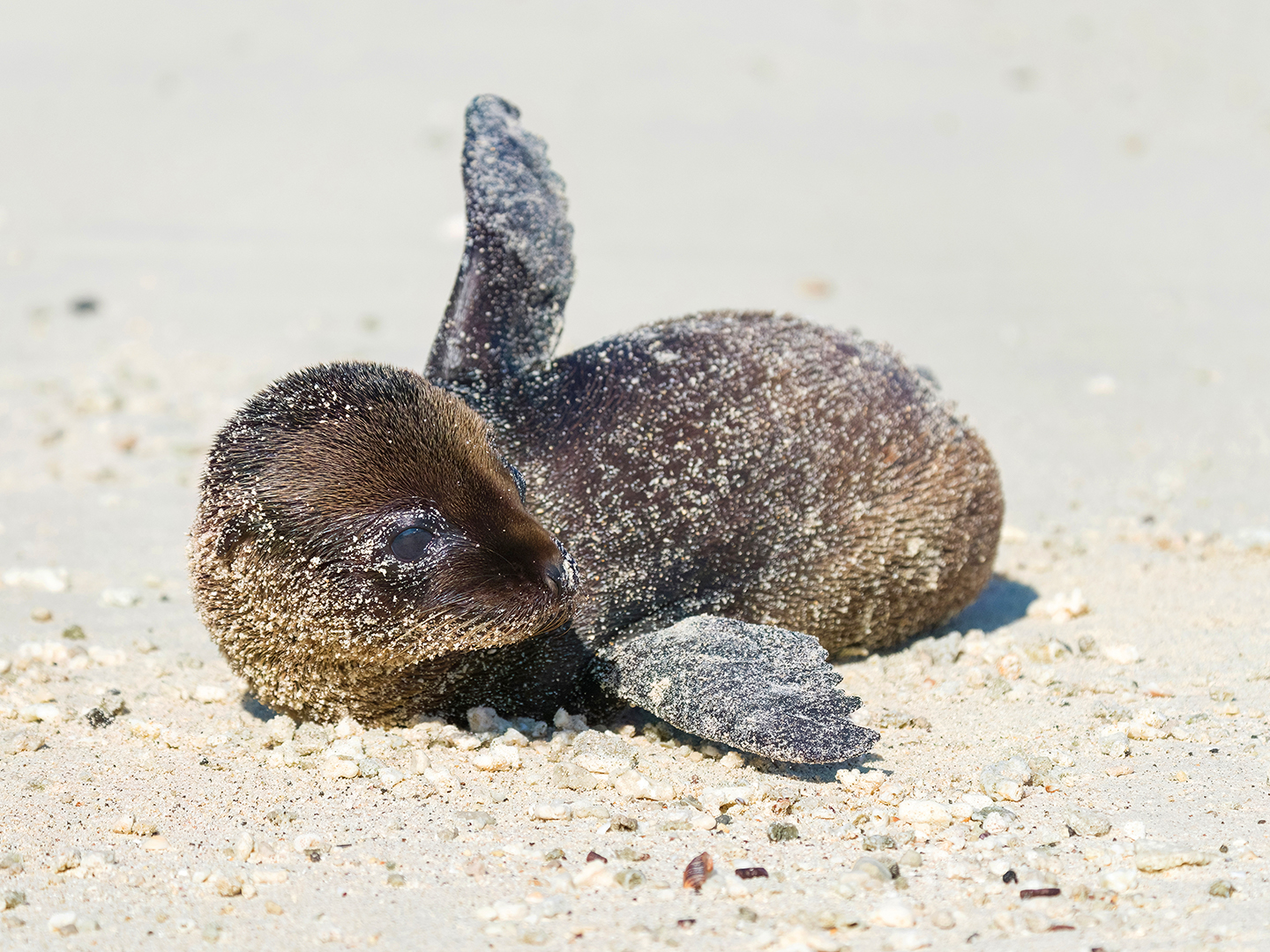
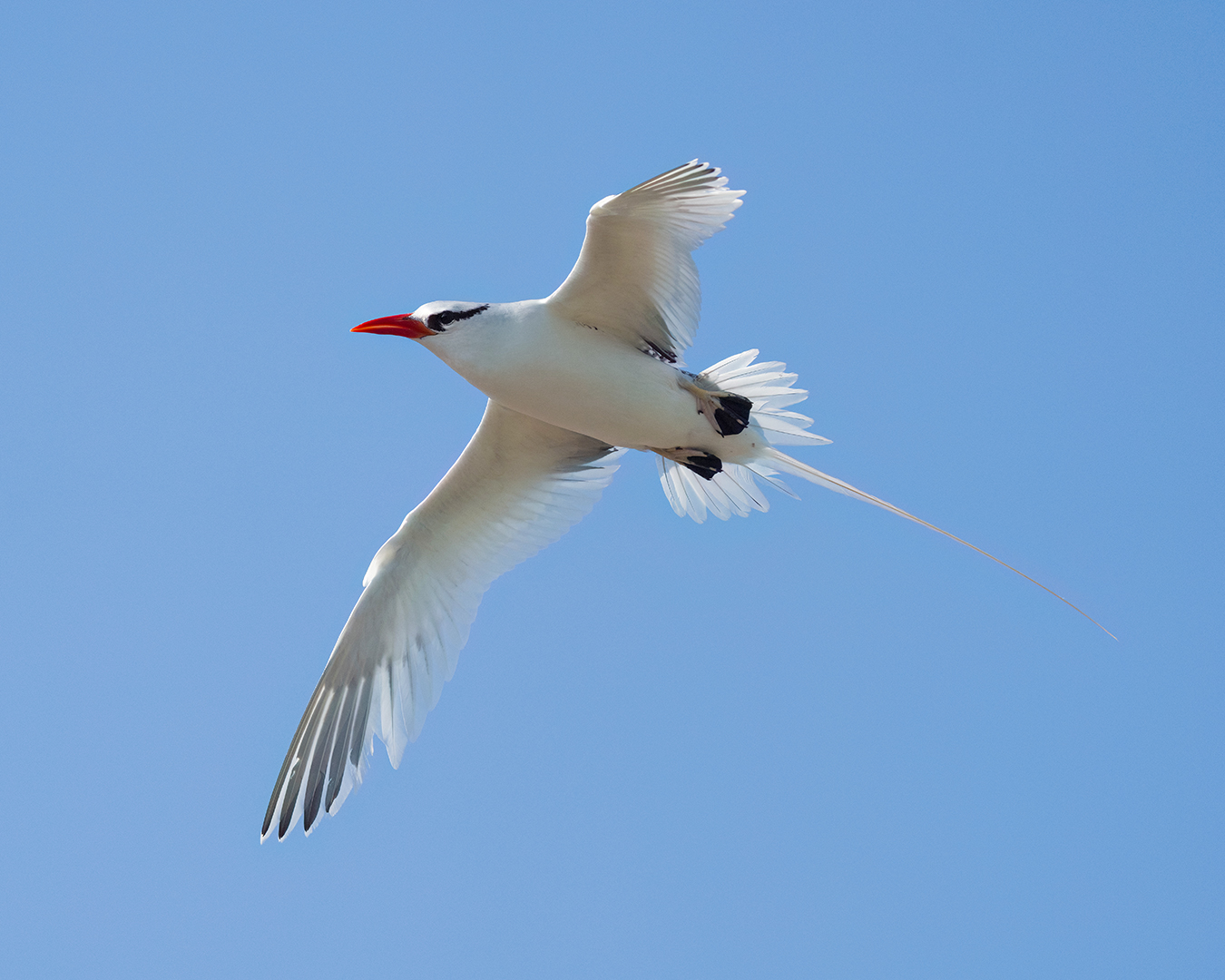
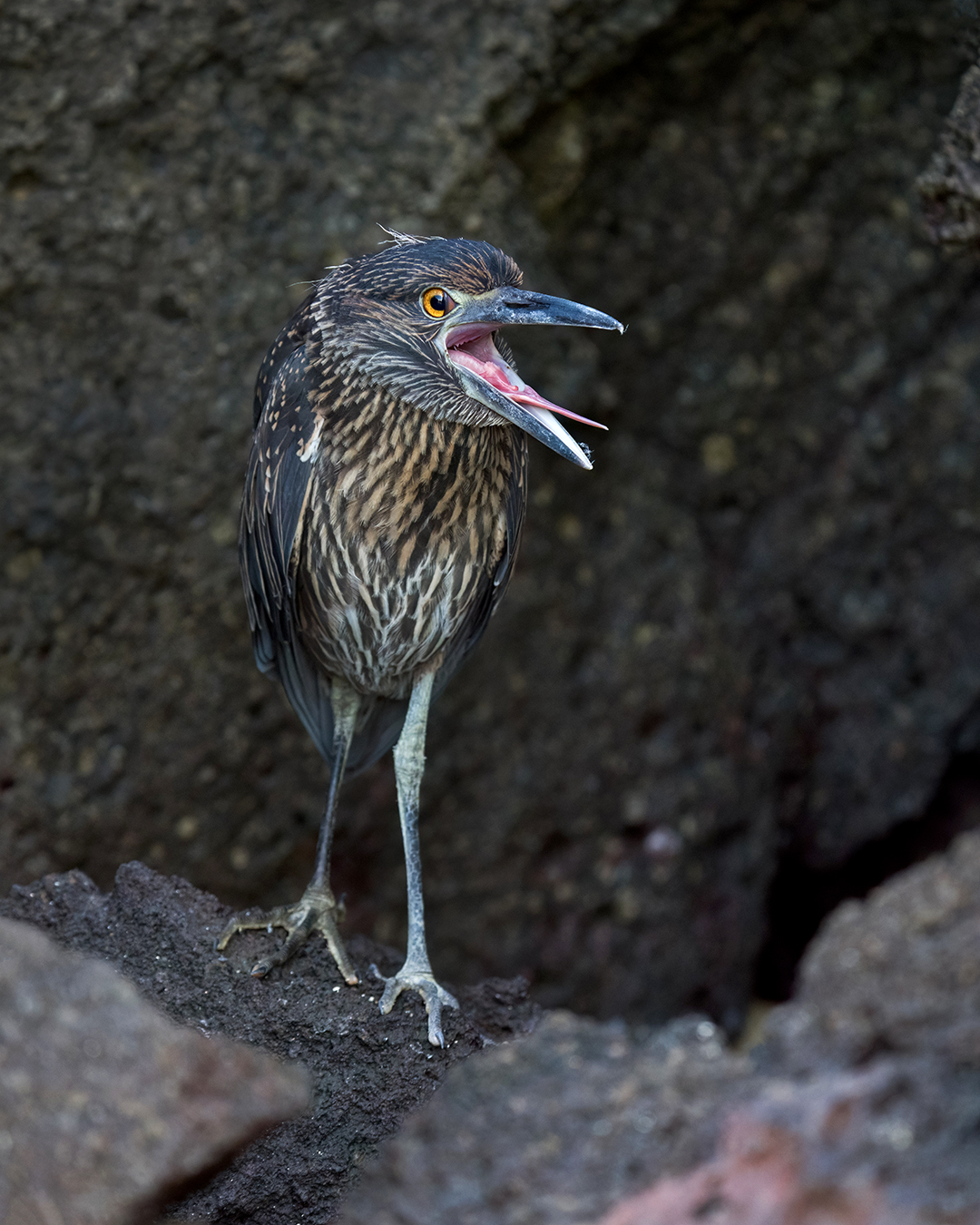
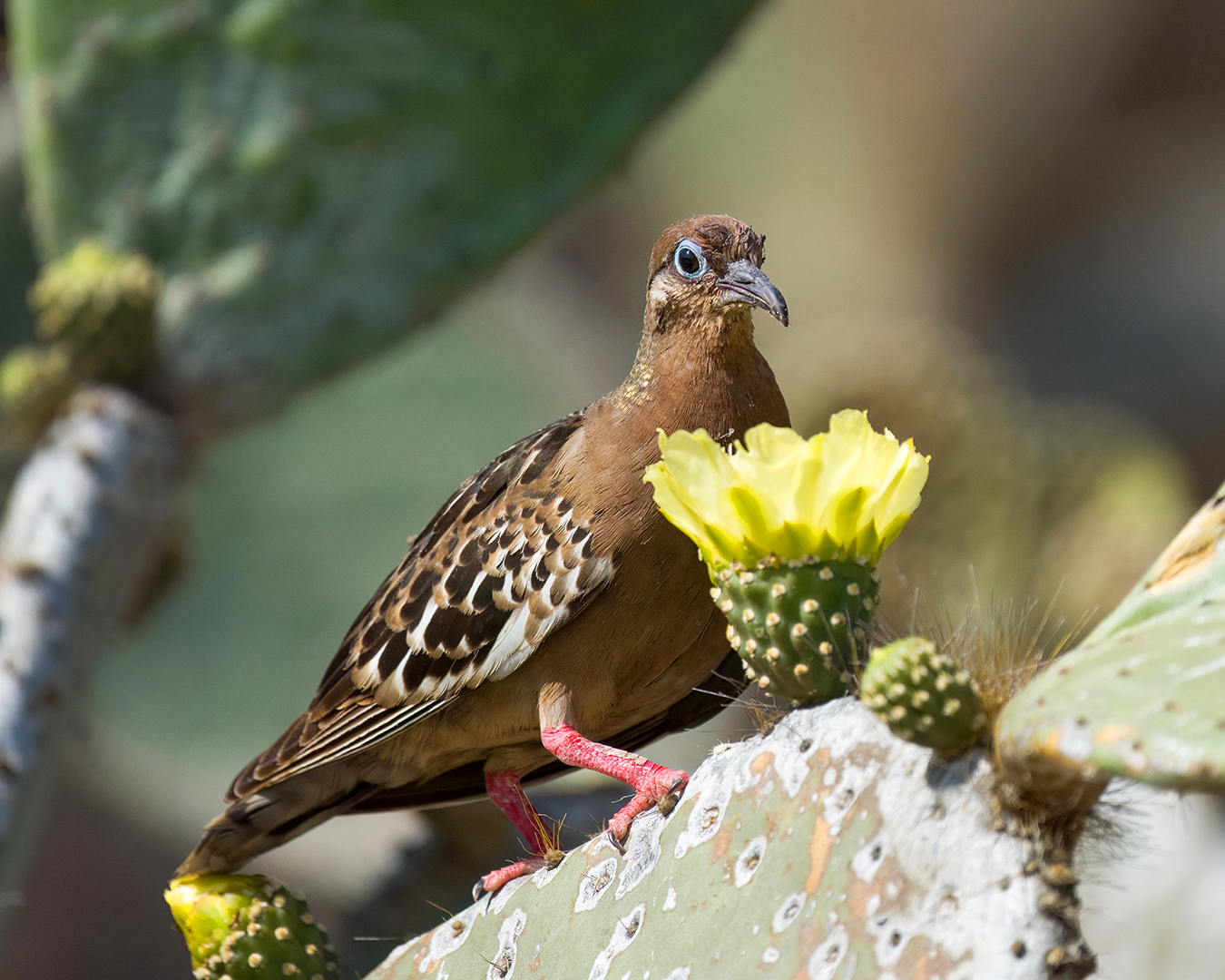
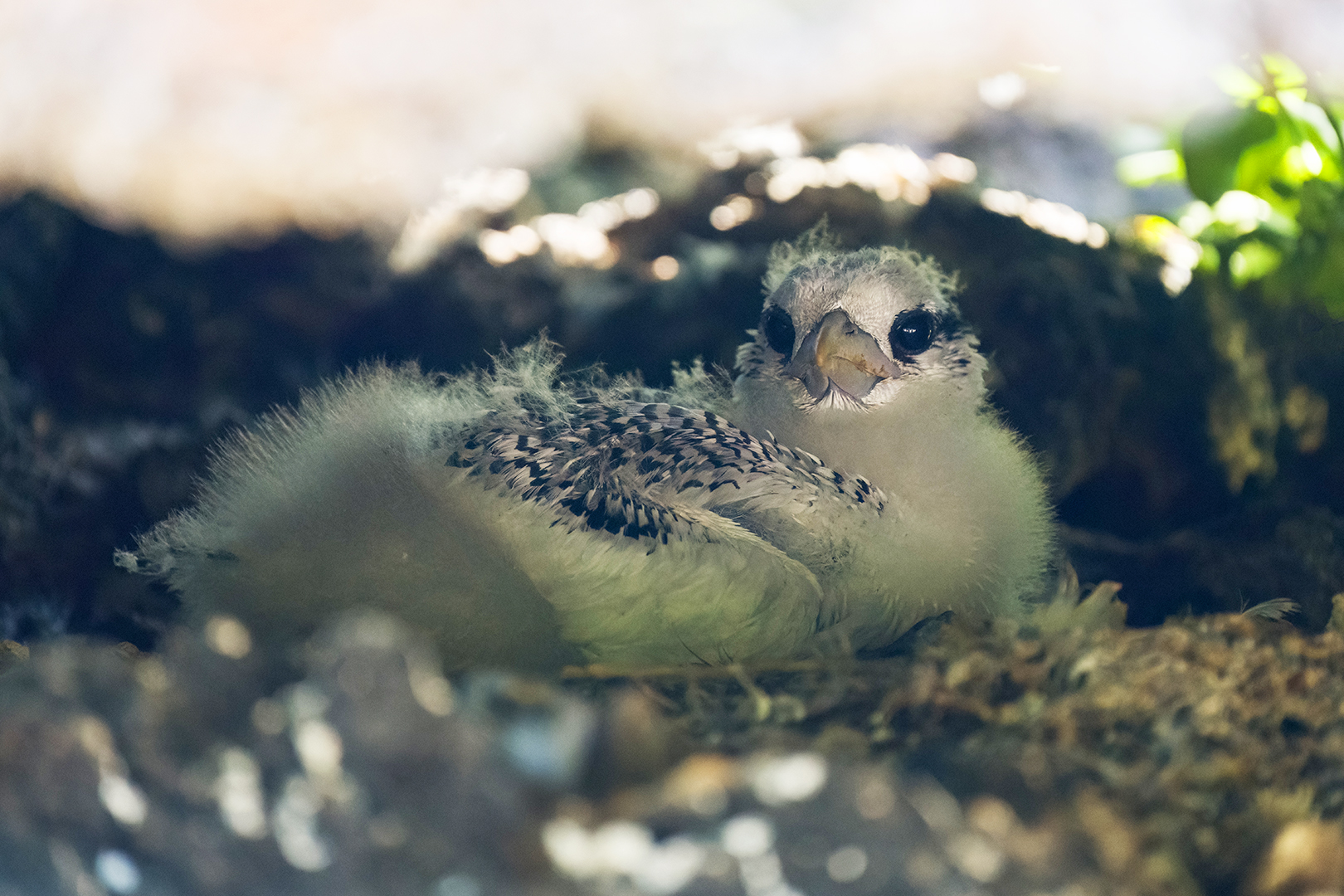
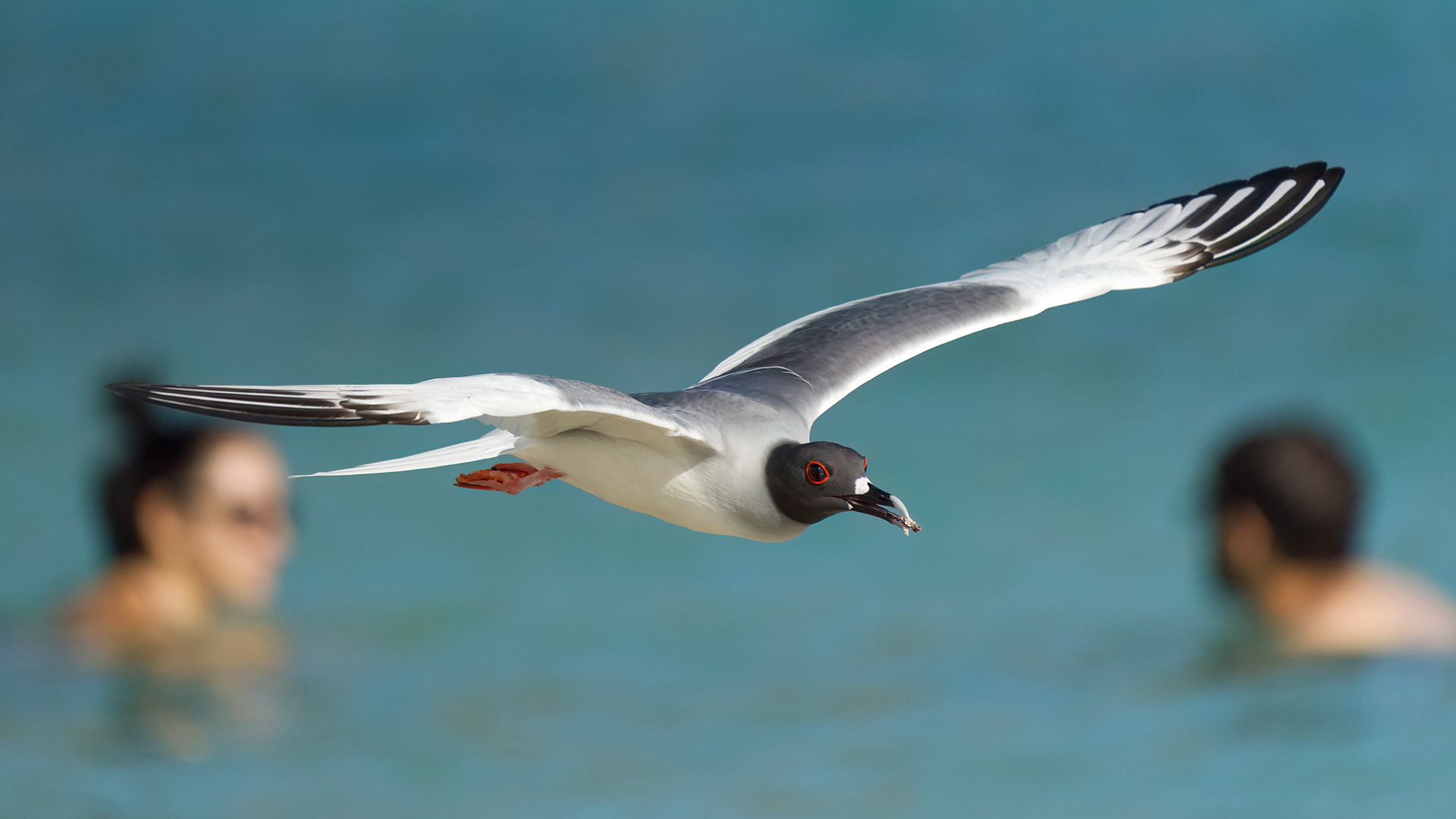
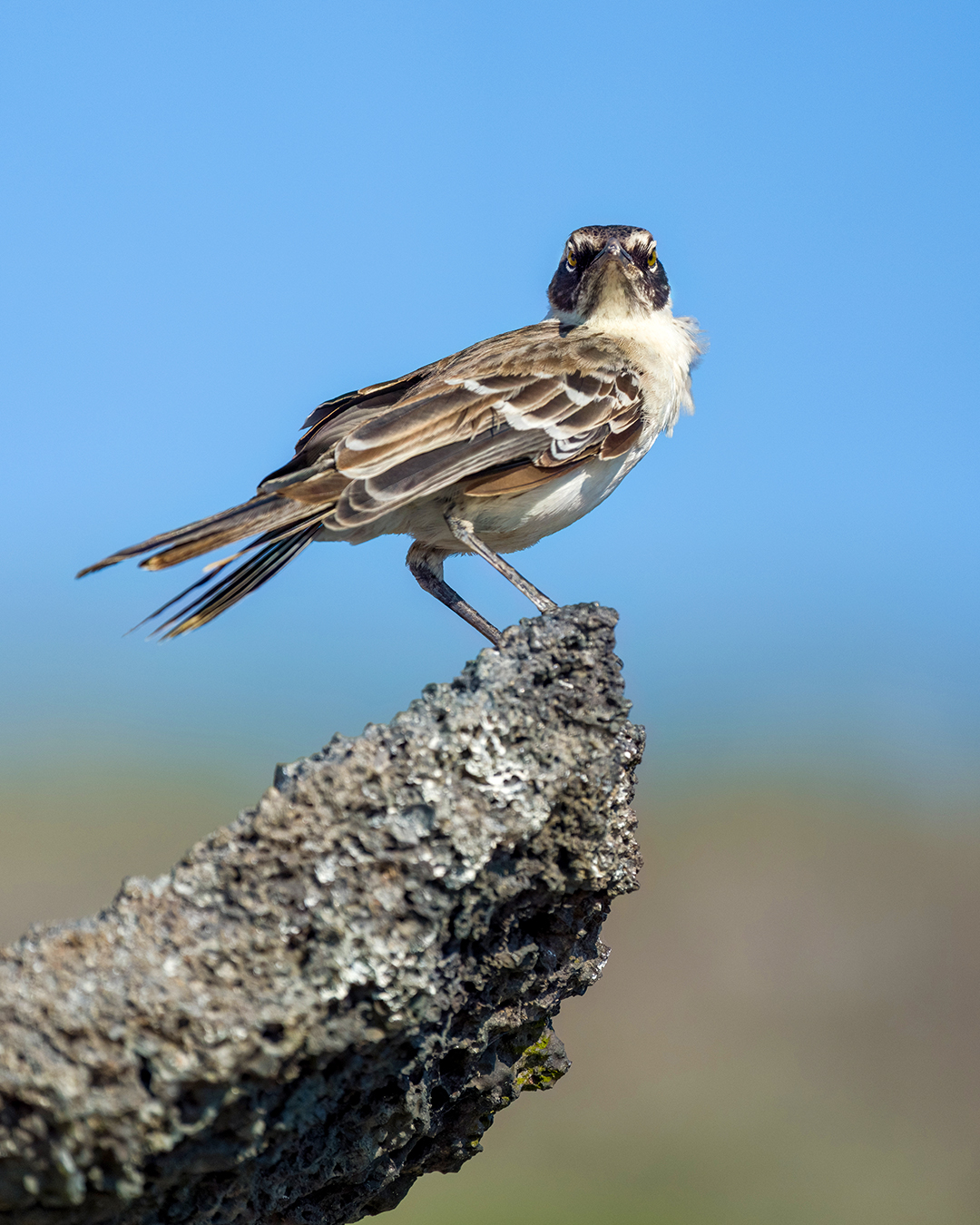
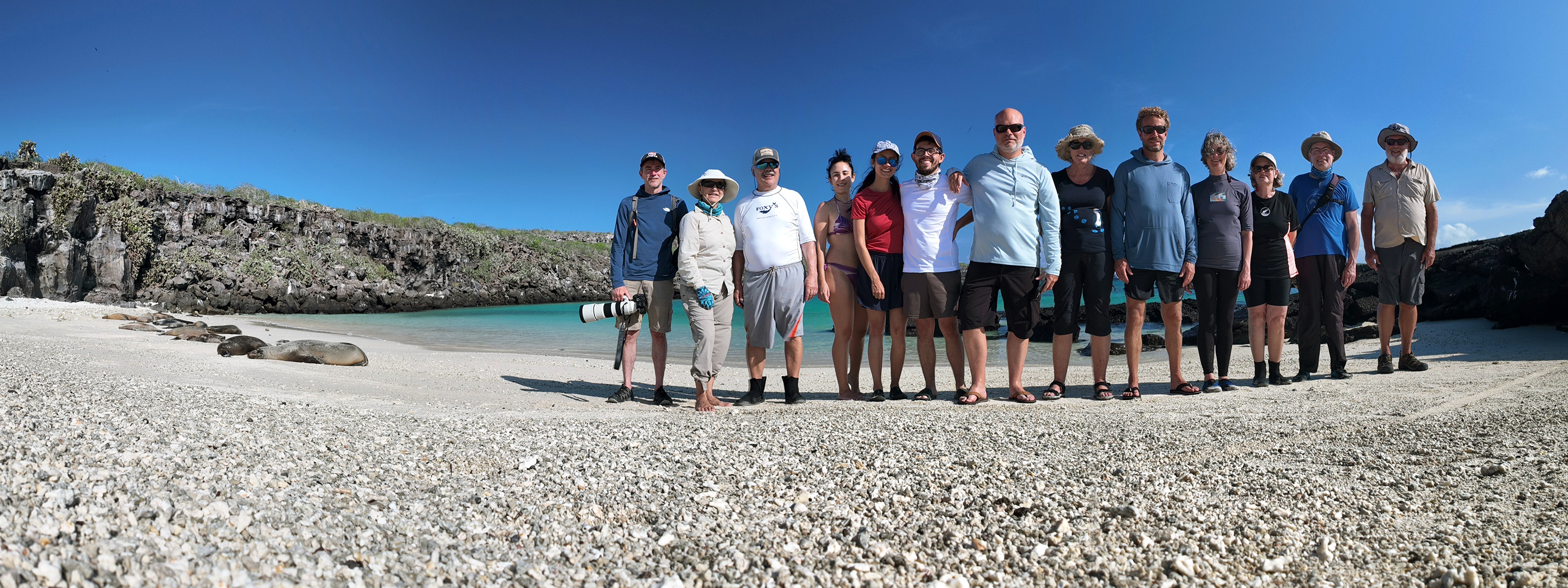
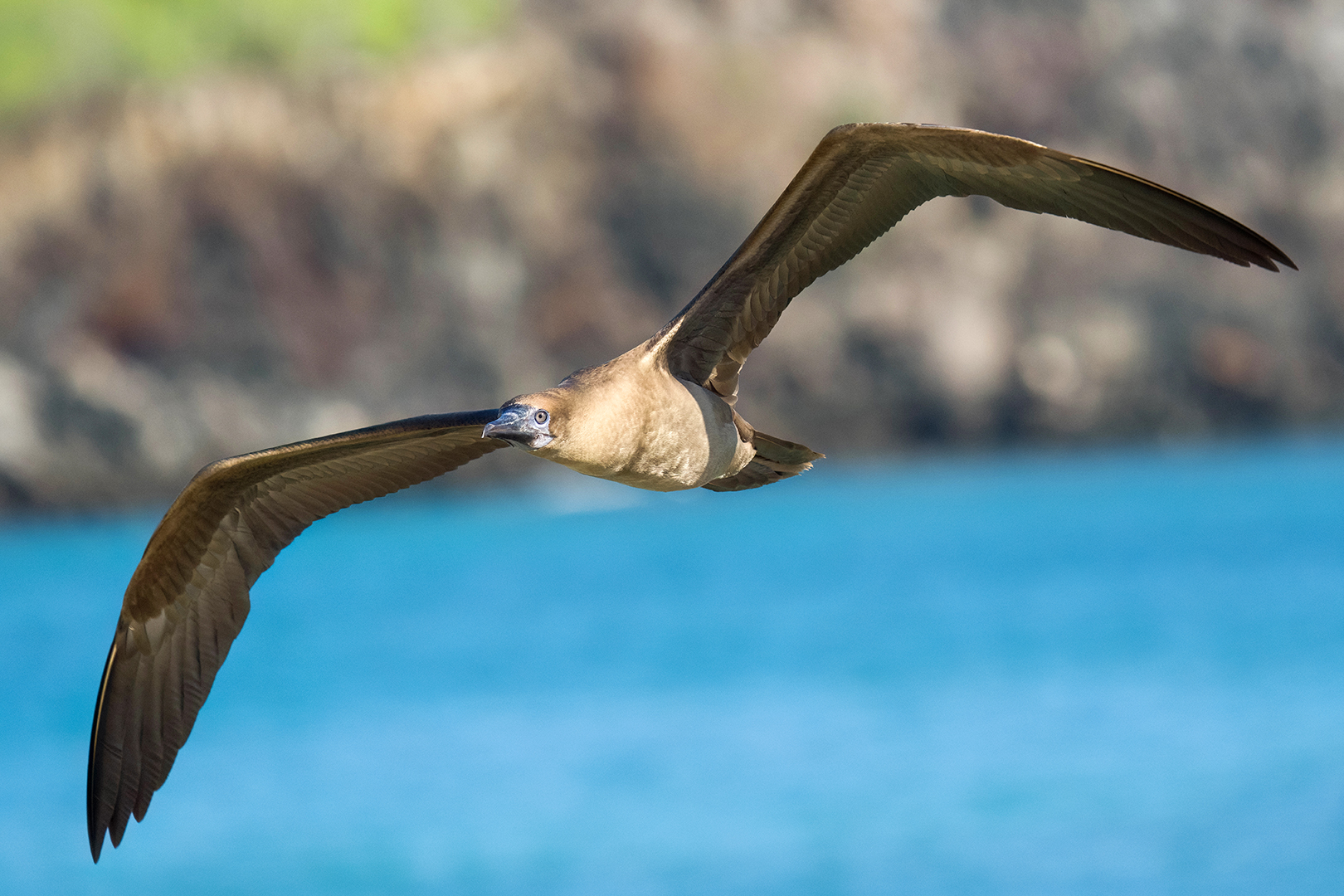
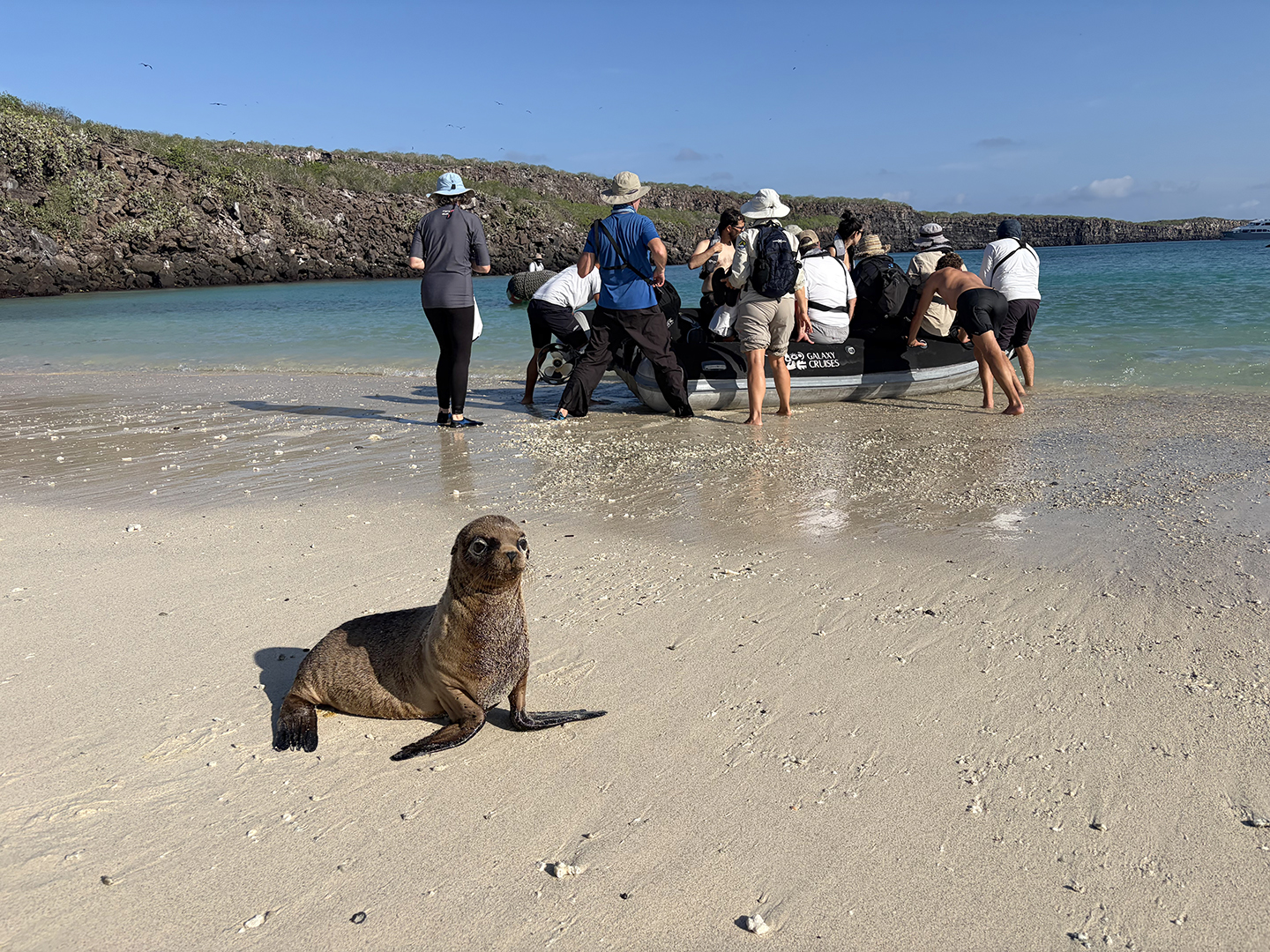
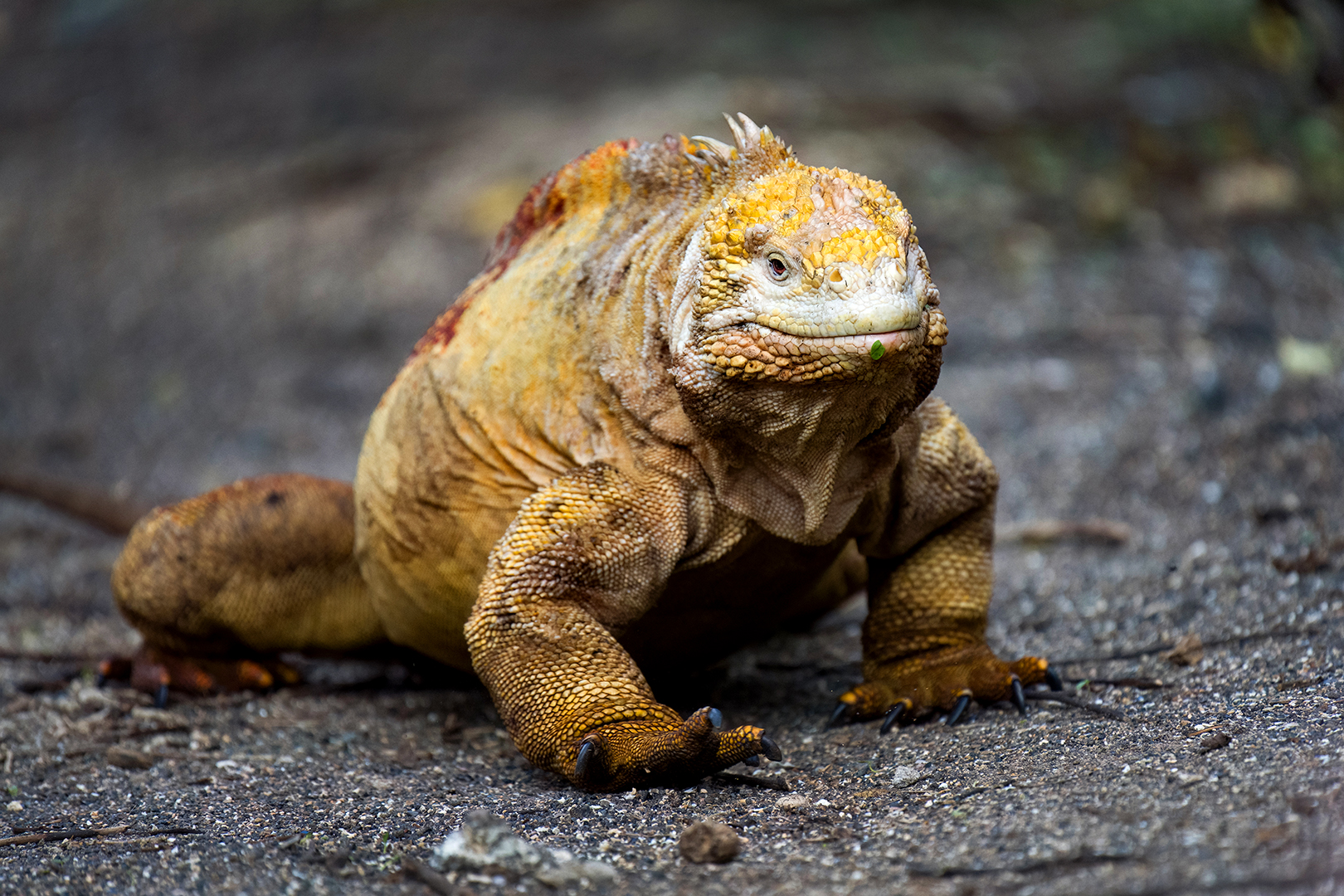
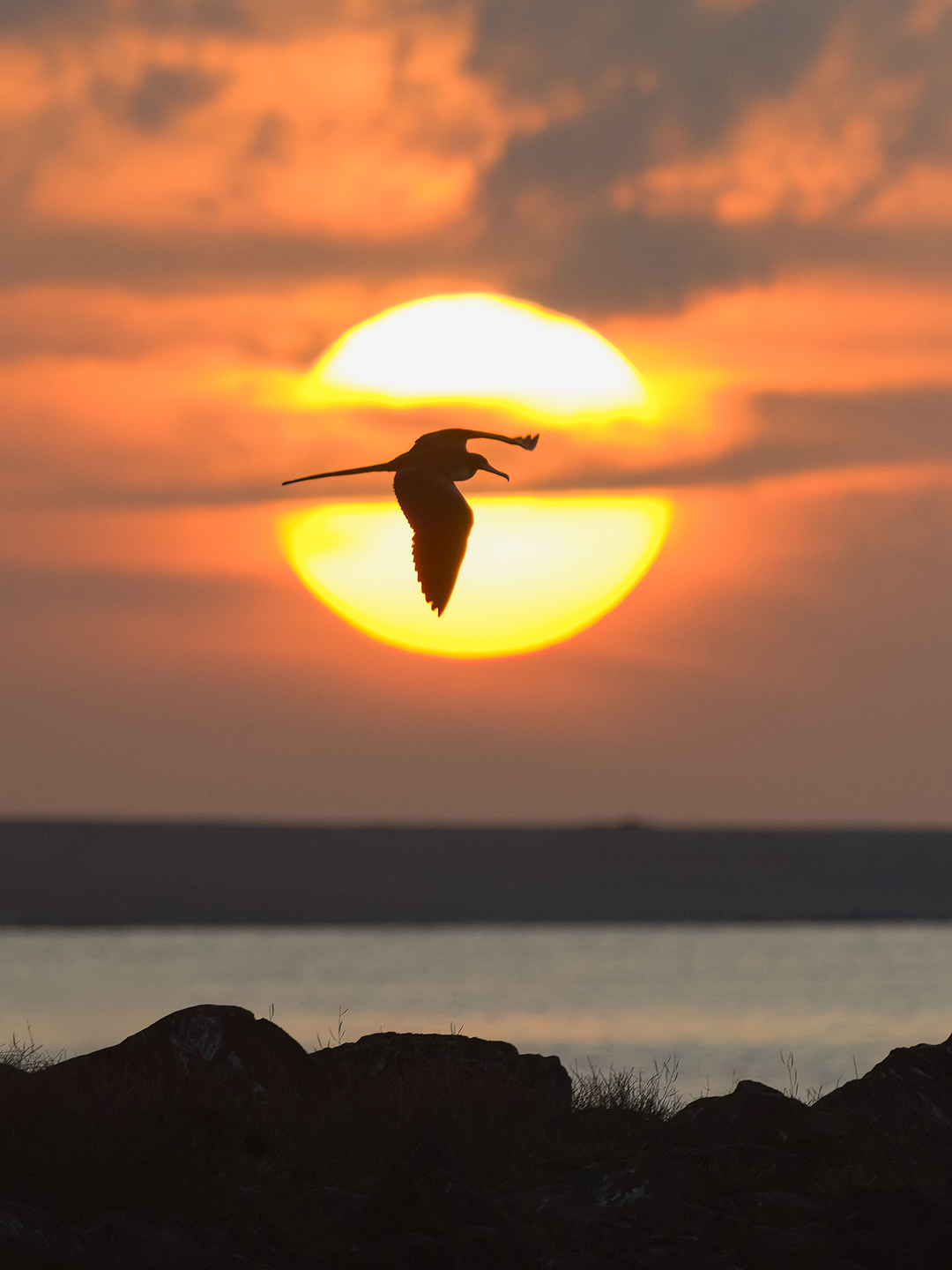
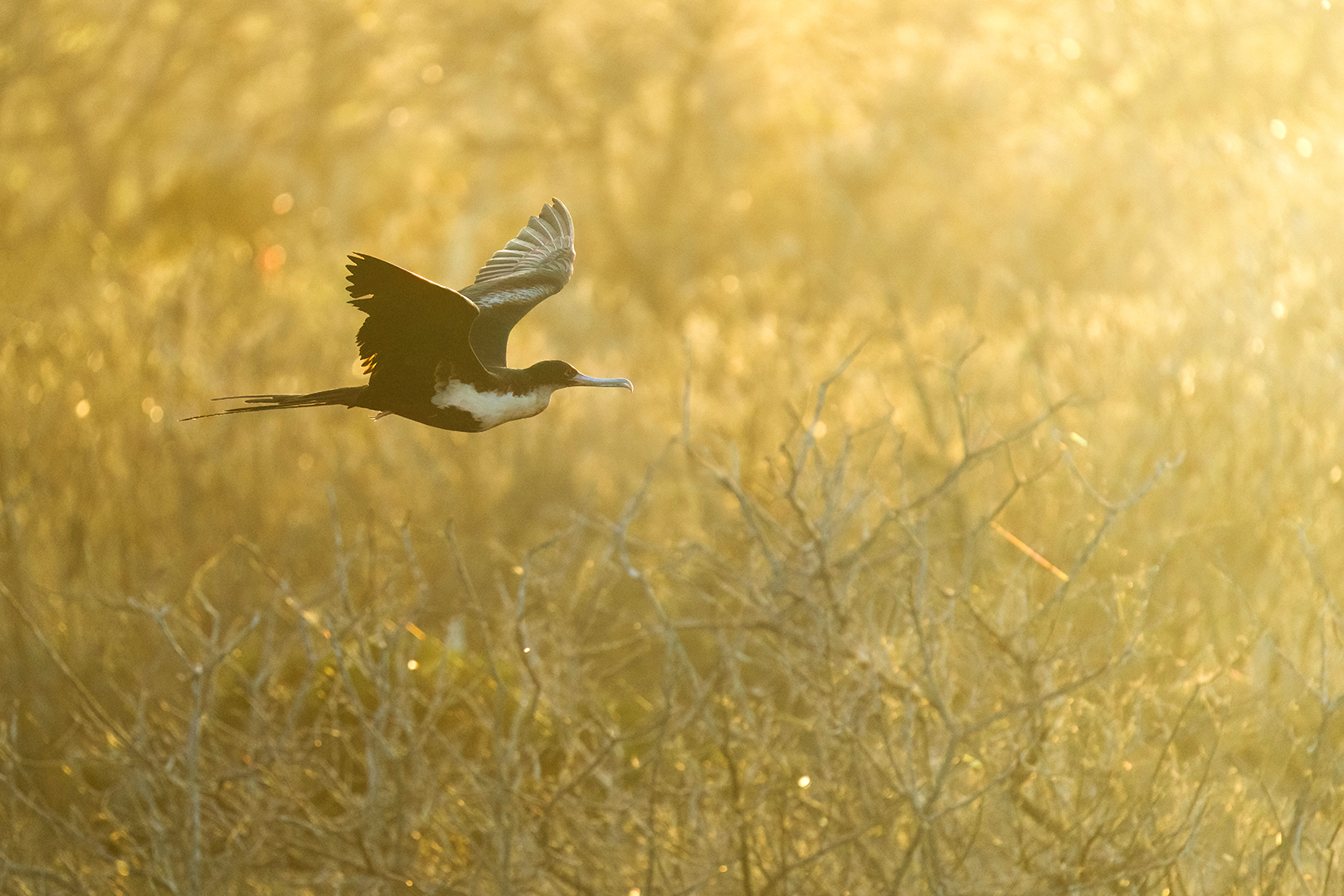
Early the next morning we visited North Seymour island for our final activity of the tour. The sun rose soon after we arrived, bathing blue-footed boobies, frigatebirds, sea lions, and land iguanas in soft morning light.
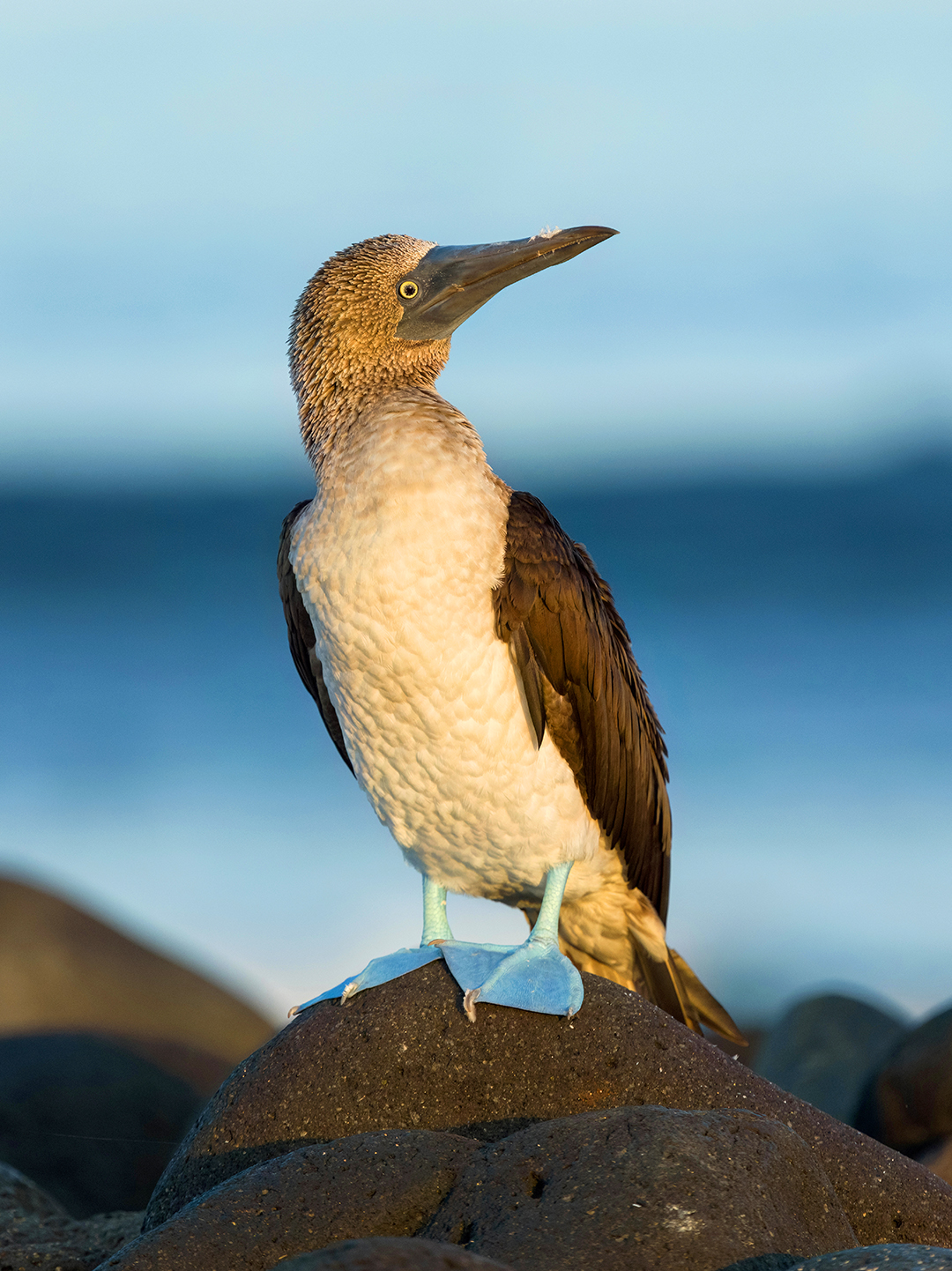
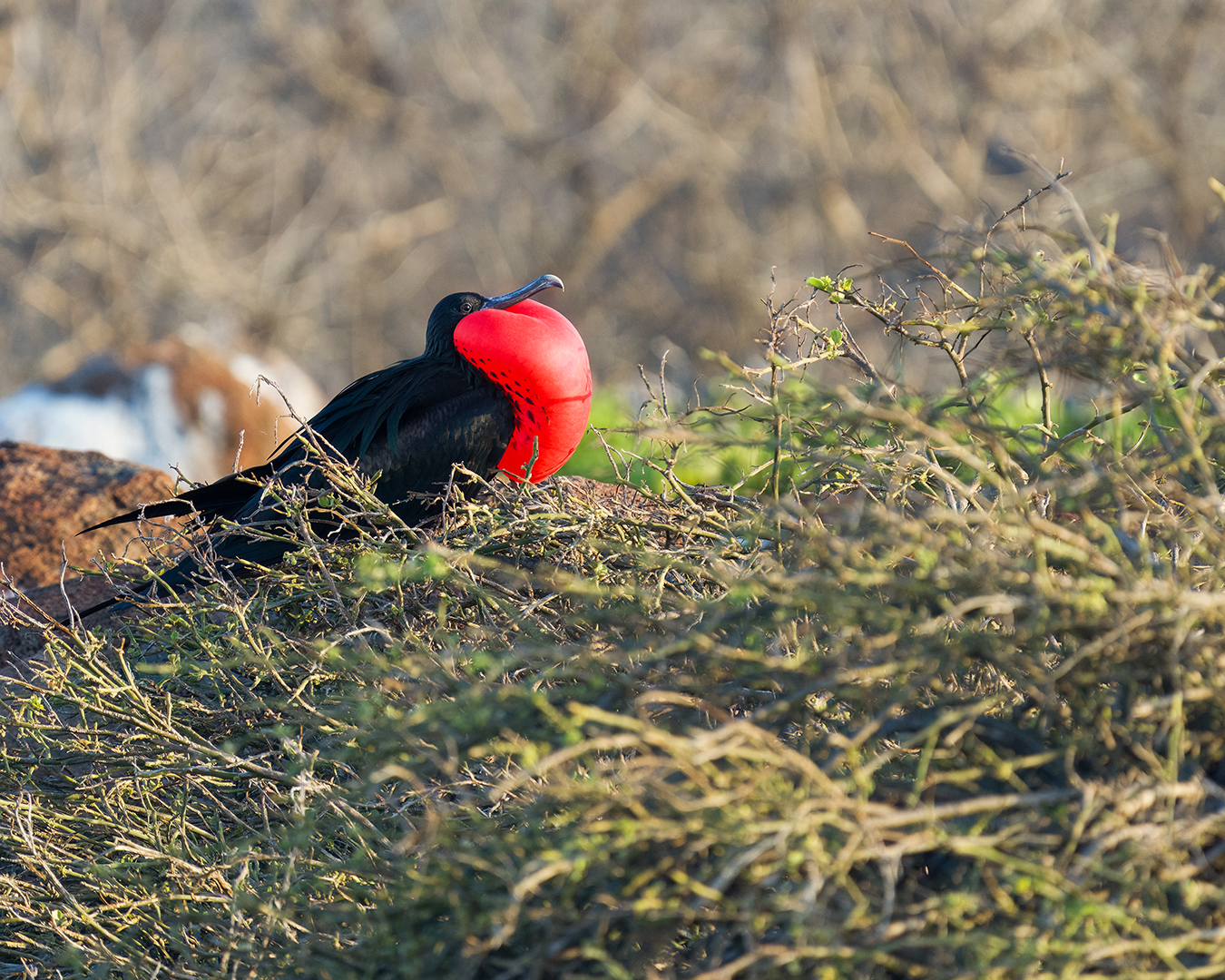
Later that morning we said goodbye at the Baltra airport. What a trip! I wish we could have just kept going. How long will it be before I can talk Marie into joining me for another round?
 endlessloopphotography.com
Thank you Rob for sharing these posts on your trip. Thank you for the digital “arm chair travel.” Your photos are spectacular.
LikeLike